
 EN
EN



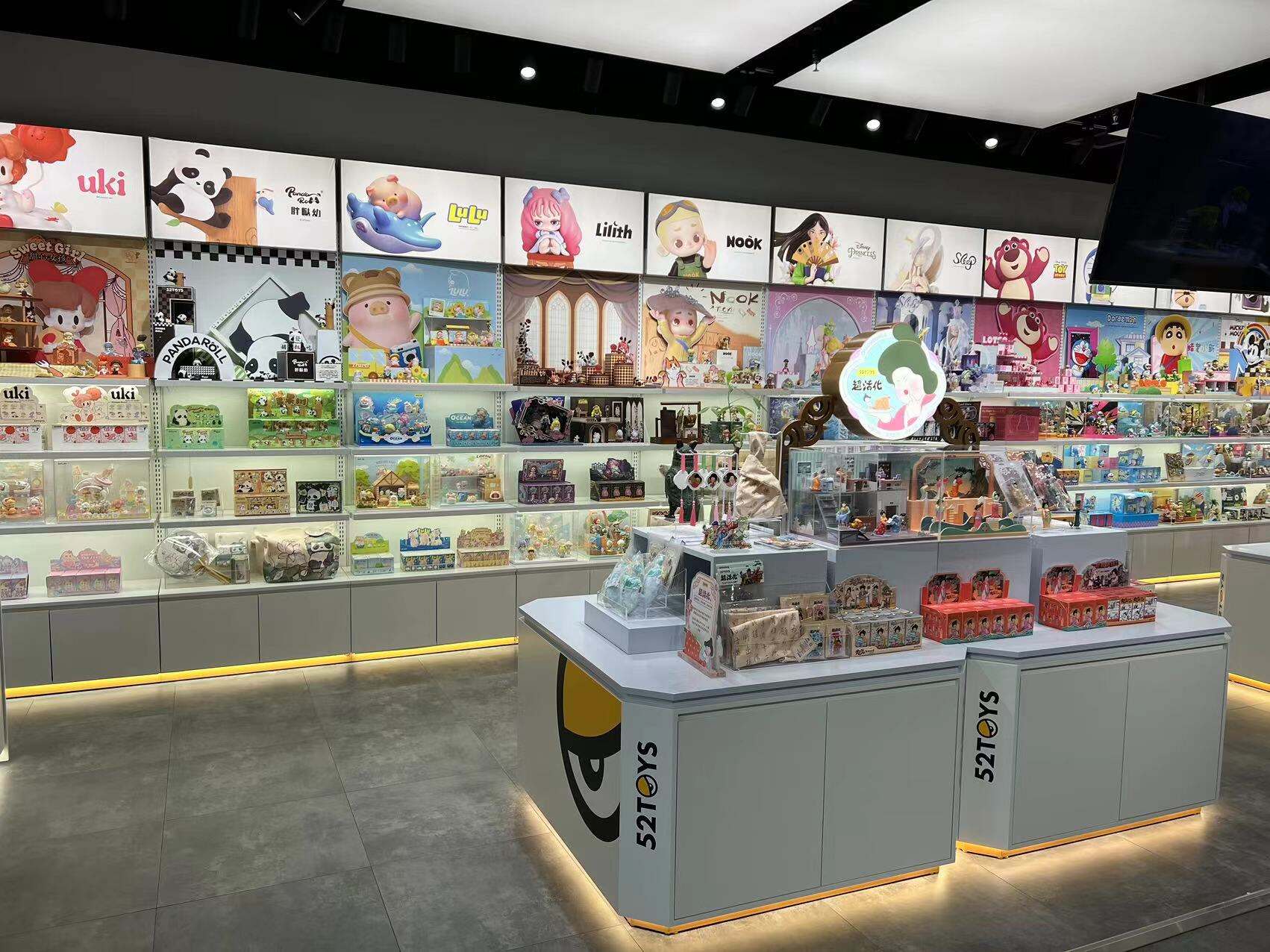
Store fixture consistency plays a pivotal role in establishing a unified brand presence across multiple retail locations. When customers walk into any branch of a retail chain, they expect to encounter familiar visual elements that reinforce brand recognition and trust. The strategic implementation of standardized fixtures, displays, and merchandising elements creates a seamless shopping experience that strengthens brand loyalty and drives consistent sales performance. Retailers who prioritize store fixture consistency often see improved customer retention rates and enhanced brand perception in competitive markets.
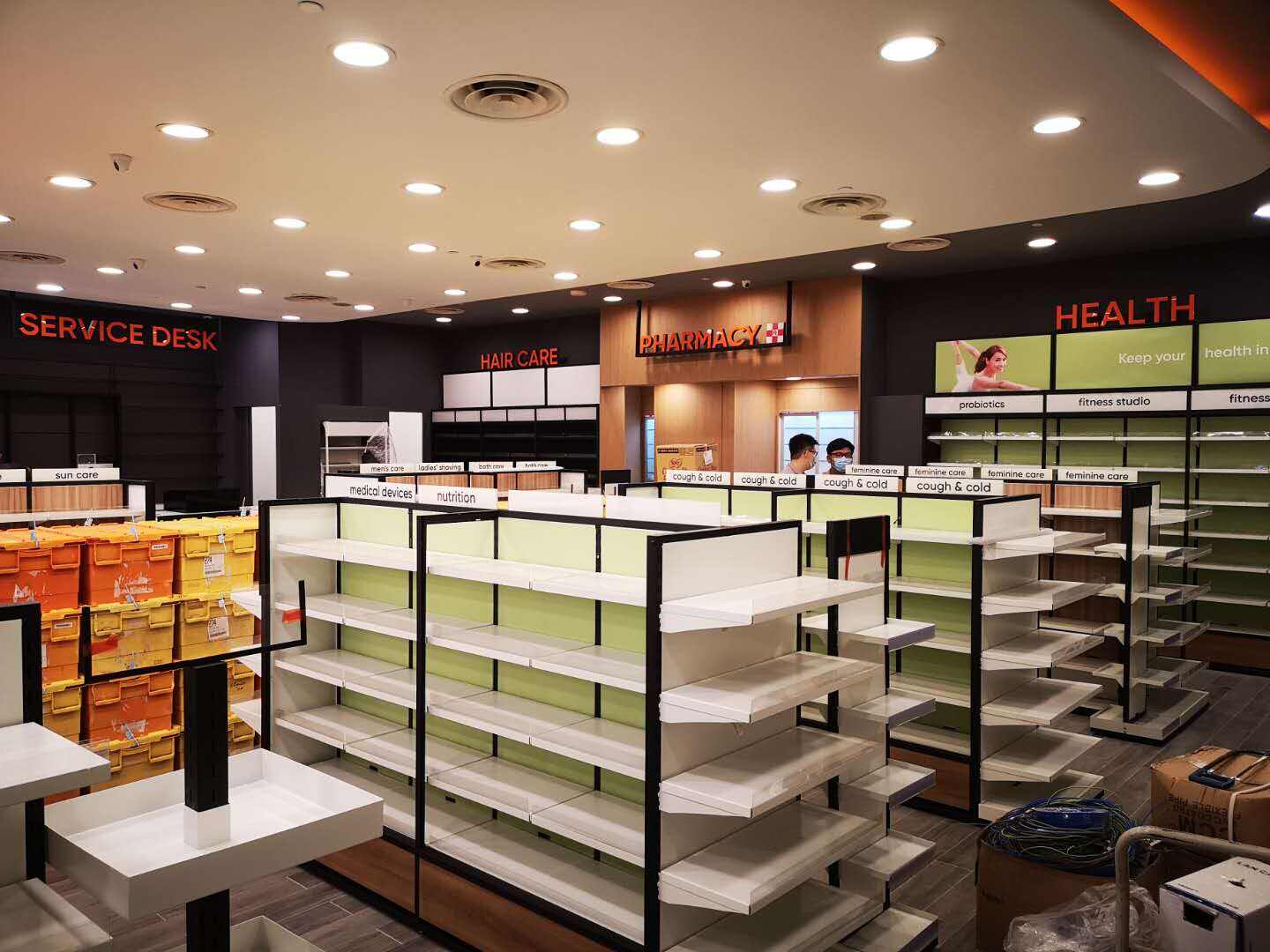
The Foundation of Unified Brand Identity
Visual Coherence Across Multiple Touchpoints
Establishing visual coherence through store fixture consistency requires careful attention to color schemes, materials, and structural design elements. Retail brands that maintain consistent fixture standards create an immediate sense of familiarity for customers transitioning between different store locations. This visual continuity extends beyond basic shelving units to encompass lighting systems, signage placement, and product presentation methods. The psychological impact of recognizable fixtures helps customers navigate stores more efficiently while reinforcing brand messaging at every interaction point.
Modern retail environments demand sophisticated approaches to fixture standardization that accommodate varying store sizes and layouts. Professional retailers invest in modular fixture systems that maintain brand consistency while allowing for location-specific adaptations. These flexible solutions ensure that core design elements remain recognizable regardless of whether customers visit a flagship store or a smaller neighborhood location. The strategic use of standardized fixtures creates a cohesive brand narrative that resonates across diverse demographic markets.
Material Quality and Durability Standards
The selection of high-quality materials for store fixtures directly impacts long-term brand presentation and operational efficiency. Consistent material choices across all locations ensure that fixtures age uniformly and maintain their aesthetic appeal over extended periods. Premium materials resist wear, maintain color integrity, and project an image of reliability that customers associate with trustworthy brands. Retailers who compromise on material quality often face inconsistent appearances across locations as fixtures deteriorate at different rates.
Implementing rigorous quality standards for fixture materials reduces maintenance costs and extends replacement cycles across retail networks. Store fixture consistency in material selection enables bulk purchasing advantages and streamlined maintenance protocols. Standardized materials also facilitate efficient training programs for store staff who need to maintain and replace fixture components. The investment in quality materials pays dividends through reduced operational overhead and sustained brand image integrity.
Customer Experience and Shopping Behavior
Navigation and Product Discovery
Store fixture consistency dramatically improves customer navigation efficiency and product discovery rates across retail locations. When fixtures follow standardized layouts and organizational principles, customers develop muscle memory that transfers between stores. This familiarity reduces shopping time, increases customer satisfaction, and encourages repeat visits to different locations within the same retail network. Strategic fixture placement guides customers through planned shopping journeys while maximizing exposure to key product categories.
Research indicates that consistent fixture arrangements increase cross-selling opportunities by up to thirty percent compared to inconsistent store layouts. Customers who feel comfortable navigating familiar fixture configurations are more likely to explore additional product categories and make impulse purchases. The predictable nature of standardized fixtures reduces cognitive load on shoppers, allowing them to focus on product selection rather than spatial orientation. This enhanced shopping experience translates directly into improved sales performance and customer loyalty metrics.
Brand Trust and Perceived Value
Maintaining store fixture consistency builds customer trust through demonstrated attention to detail and operational excellence. Shoppers interpret consistent fixture quality and presentation as indicators of overall brand reliability and product quality. This perception extends beyond visual aesthetics to encompass expectations about customer service, product availability, and return policies. Brands that maintain fixture standards across all locations signal their commitment to delivering consistent experiences regardless of geographic location.
The psychological impact of store fixture consistency influences perceived value propositions and price sensitivity among consumers. Well-maintained, standardized fixtures create premium shopping environments that justify higher price points and exclusive product offerings. Customers develop emotional connections to brands that consistently deliver polished, professional retail experiences. This emotional loyalty translates into reduced price sensitivity and increased willingness to recommend the brand to others.
Operational Efficiency and Cost Management
Streamlined Inventory Management
Standardized store fixtures enable sophisticated inventory management systems that optimize product placement and stock rotation across multiple locations. Consistent fixture dimensions and configurations facilitate accurate planogram implementation and efficient product replenishment processes. Store managers can quickly assess inventory levels and implement merchandising changes when fixtures follow established specifications. The predictable nature of standardized fixtures reduces training requirements for staff members who work across multiple store locations.
Advanced inventory management benefits from store fixture consistency through improved data collection and analysis capabilities. Standardized fixtures support consistent product placement metrics that enable accurate sales performance comparisons across locations. Retailers can identify optimal product positioning strategies and replicate successful configurations throughout their network. The resulting data-driven insights improve inventory turnover rates and reduce carrying costs associated with slow-moving merchandise.
Maintenance and Replacement Protocols
Implementing consistent fixture standards simplifies maintenance protocols and reduces operational complexity across retail networks. Standardized components enable bulk purchasing of replacement parts and streamlined maintenance schedules. Store fixture consistency allows maintenance teams to develop specialized expertise and efficient repair procedures that apply across all locations. This standardization reduces downtime associated with fixture repairs and ensures that all stores maintain optimal presentation standards.
Long-term cost benefits emerge from store fixture consistency through extended equipment lifecycles and reduced emergency replacement needs. Standardized fixtures undergo predictable wear patterns that enable proactive maintenance scheduling and budget forecasting. Retailers can negotiate favorable service contracts and parts pricing when dealing with consistent fixture specifications across their entire network. The economies of scale achieved through standardization significantly reduce per-store fixture costs over time.
Implementation Strategies for Multi-Location Retailers
Design Development and Standardization
Successful implementation of store fixture consistency begins with comprehensive design development that considers operational requirements and brand objectives. Professional design teams must balance aesthetic appeal with functional practicality while ensuring that fixtures can be manufactured and installed efficiently across diverse locations. The development process should incorporate feedback from store managers, maintenance teams, and customer experience specialists to create fixtures that serve multiple stakeholder needs effectively.
Creating detailed fixture specifications and installation guidelines ensures consistent implementation across all retail locations. These documents should include precise measurements, material specifications, and assembly instructions that eliminate ambiguity during installation processes. Store fixture consistency requires ongoing quality control measures that verify compliance with established standards. Regular audits and feedback mechanisms help identify deviations from specifications and enable corrective actions before problems impact customer experience.
Vendor Selection and Quality Control
Selecting appropriate vendors for fixture manufacturing and installation represents a critical factor in maintaining store fixture consistency across retail networks. Qualified vendors must demonstrate capabilities in large-scale production, quality assurance, and timely delivery across multiple geographic markets. The vendor evaluation process should include assessment of manufacturing facilities, quality control procedures, and previous experience with multi-location retail projects. Establishing long-term partnerships with reliable vendors ensures consistent fixture quality and reduces supply chain risks.
Quality control protocols must extend throughout the entire fixture lifecycle from initial manufacturing to final installation and ongoing maintenance. Comprehensive inspection procedures verify that fixtures meet specifications before shipment and installation. Store fixture consistency depends on rigorous oversight during installation to ensure proper assembly and positioning. Post-installation quality assessments identify potential issues early and enable corrective measures that maintain brand standards.
Technology Integration and Future Considerations
Digital Integration Capabilities
Modern store fixture consistency extends beyond physical elements to encompass digital integration capabilities that enhance customer engagement and operational efficiency. Contemporary fixtures must accommodate digital displays, interactive kiosks, and smart shelving systems that collect customer behavior data. The integration of technology into standardized fixtures creates opportunities for personalized customer experiences while maintaining consistent brand presentation across locations.
Smart fixture technologies enable real-time inventory tracking, automated pricing updates, and customer analytics that improve operational decision-making. Store fixture consistency in digital integration ensures that all locations benefit from technological advances and data collection capabilities. Standardized digital fixtures facilitate software updates and maintenance procedures that keep all stores operating with current technologies. The resulting operational efficiencies and customer insights provide competitive advantages in rapidly evolving retail markets.
Sustainability and Environmental Considerations
Contemporary approaches to store fixture consistency must incorporate sustainability principles and environmental responsibility throughout the design and implementation process. Sustainable fixture materials reduce environmental impact while demonstrating corporate social responsibility to environmentally conscious consumers. The longevity associated with high-quality standardized fixtures reduces waste generation and resource consumption over time. Retailers who prioritize sustainable fixture solutions often experience improved brand perception and customer loyalty among environmentally aware demographics.
Future developments in store fixture consistency will likely emphasize recyclable materials, energy-efficient lighting systems, and modular designs that extend fixture lifecycles. Environmental considerations must be balanced with durability requirements and aesthetic standards to maintain effective brand presentation. Sustainable fixture approaches create opportunities for marketing differentiation while reducing long-term operational costs. The integration of environmental responsibility into fixture standards aligns with broader corporate sustainability initiatives and stakeholder expectations.
FAQ
How often should retailers update their standardized fixtures to maintain consistency
Retailers should evaluate their standardized fixtures every three to five years to ensure they continue meeting brand standards and customer expectations. The frequency of updates depends on factors such as material durability, changing brand aesthetics, and technological advances. Store fixture consistency requires periodic refreshing to prevent outdated appearances while maintaining core design elements that customers recognize. Planned update cycles enable budget forecasting and minimize disruption to store operations during fixture replacement projects.
What are the main challenges in implementing store fixture consistency across different geographic markets
Geographic implementation of store fixture consistency faces challenges including varying building codes, cultural preferences, and supply chain logistics. Local regulations may require modifications to standard fixture designs while maintaining core brand elements. Cultural considerations might necessitate adjustments to color schemes or layout configurations that respect regional preferences. Overcoming these challenges requires flexible design approaches that preserve essential brand consistency while accommodating local requirements and customer expectations.
How can retailers measure the effectiveness of their store fixture consistency initiatives
Retailers can measure fixture consistency effectiveness through customer satisfaction surveys, sales performance comparisons, and operational efficiency metrics across locations. Brand recognition studies assess whether standardized fixtures successfully reinforce brand identity and customer recall. Store fixture consistency impacts can be evaluated through mystery shopper programs that assess customer experience uniformity across different locations. Quantitative metrics include sales per square foot, customer dwell time, and inventory turnover rates that indicate fixture performance effectiveness.
What budget considerations should retailers account for when implementing standardized fixtures
Budget planning for standardized fixtures should include initial design development costs, manufacturing expenses, installation fees, and ongoing maintenance requirements. Retailers must consider bulk purchasing advantages that reduce per-unit costs while accounting for shipping and logistics expenses across multiple locations. Store fixture consistency investments should be evaluated against long-term operational savings and brand value improvements. Financial planning should include contingency funds for unexpected installation challenges and potential design modifications during the implementation process.
Table of Contents
- The Foundation of Unified Brand Identity
- Customer Experience and Shopping Behavior
- Operational Efficiency and Cost Management
- Implementation Strategies for Multi-Location Retailers
- Technology Integration and Future Considerations
-
FAQ
- How often should retailers update their standardized fixtures to maintain consistency
- What are the main challenges in implementing store fixture consistency across different geographic markets
- How can retailers measure the effectiveness of their store fixture consistency initiatives
- What budget considerations should retailers account for when implementing standardized fixtures