
 EN
EN



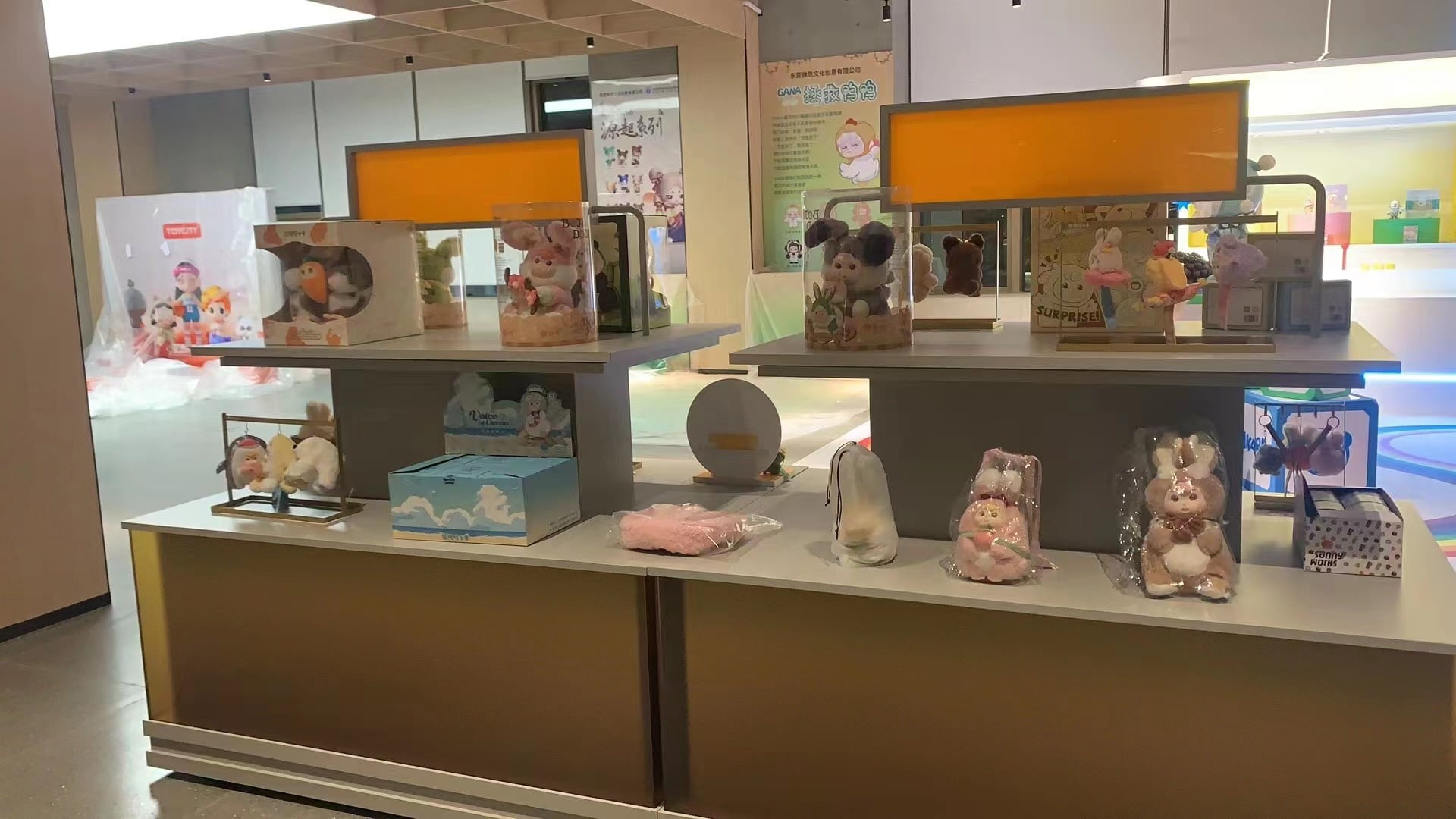
صنعت خردهفروشی شاهد تغییرات چشمگیری در استراتژیهای چیدمان فروشگاهها بوده است؛ بهطوریکه سیستمهای قفسههای نمایشی خردهفروشی ماژولار بهعنوان راهحل مورد ترجیح فروشندگان مدرن در سراسر جهان ظهور کردهاند. این سیستمهای نوآورانه نمایش، نحوه سازماندهی کالاها در فروشگاهها را دگرگون کردهاند و انعطافپذیری و کارایی بیسابقهای ارائه میدهند که قفسههای ثابت سنتی هرگز قادر به ارائه آن نیستند. درک عوامل محرک این تغییر در محبوبیت، دلیل این امر را روشن میسازد که چرا فروشندگان باهوش در حال انتقال به پیکربندیهای ماژولار هستند.
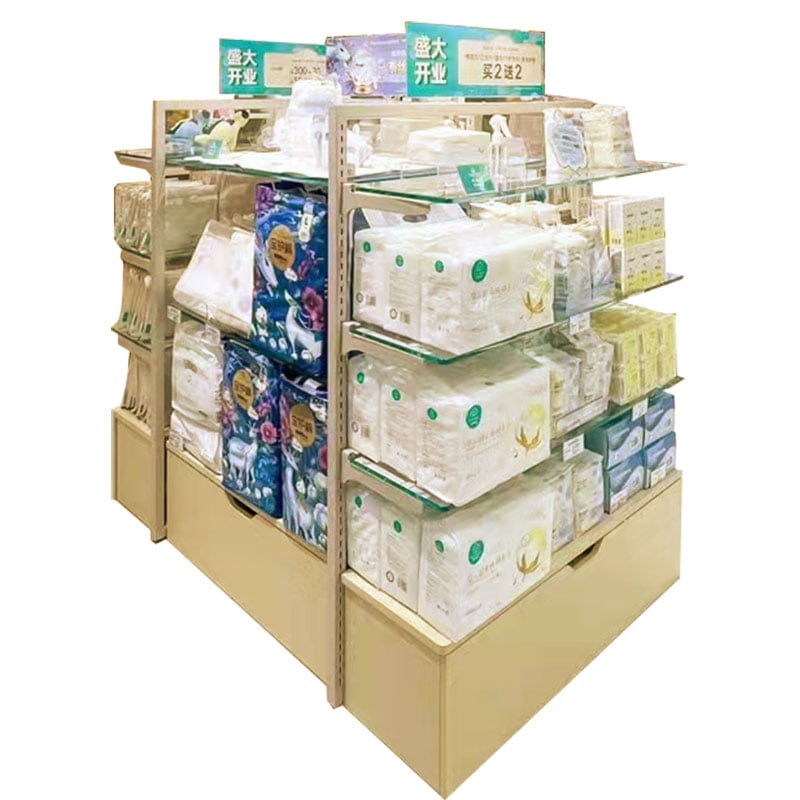
افزایش استفاده از قفسههای نمایشی خردهفروشی ماژولار از تغییرات بنیادین در رفتار خرید مصرفکنندگان، نیازهای فصلی به بازرگانی کالا و فشارهای هزینهای عملیاتی که خردهفروشان امروزی با آن مواجهاند، ناشی شده است. فروشگاههای مدرن به راهحلهای نمایشی نیاز دارند که بتوانند بهسرعت با تغییرات موجودی، کمپینهای تبلیغاتی و خطوط محصول در حال تحول سازگار شوند، بدون اینکه نیاز به بازسازی کامل فروشگاه باشد. این انعطافپذیری باعث شده است که سیستمهای ماژولار نهتنها محبوب، بلکه ضروری برای حفظ مزیت رقابتی در محیطهای پویای خردهفروشی شوند.
انعطافپذیری عملیاتی، عامل اصلی پذیرش این سیستمهاست
قابلیت بازآرایی سریع
سیستمهای قفسههای نمایشی خردهفروشی ماژولار به دلیل این ویژگی برجسته هستند که امکان بازآرایی چیدمان فروشگاه را در عرض چند ساعت — نه روزها یا هفتهها — برای مدیران فروشگاه فراهم میکنند. در مقابل، نمایشگرهای ثابت سنتی برای هر تغییری در چیدمان، زمان و نیروی کار قابل توجهی را میطلبد و اغلب نیازمند خدمات نصب حرفهای هستند. اما سیستمهای ماژولار از اجزای استاندارد تشکیل شدهاند که بهصورت بدون درز به یکدیگر متصل میشوند و امکان بازسازی کامل بخشهای مختلف را برای کارکنان در ساعات غیرکاری و بدون اختلال در عملیات روزانه فراهم میکنند.
سرعت این بازآرایی در دورههای انتقال فصلی بسیار ارزشمند است، زیرا فروشگاهها در این دورهها نیازمند پذیرش دستهبندیهای محصولی و حجمهای موجودی متفاوتی هستند. سیستم قفسههای نمایشی خردهفروشی که بتواند از نگهداری لباسهای تابستانی به نگهداری کالاهای زمستانی تبدیل شود، ارزش عملی این سیستمها را نشان میدهد و دلیل اصلی پذیرش گستردهی آنهاست. مدیران فروشگاه گزارش دادهاند که با اجرای تغییرات چیدمان با استفاده از سیستمهای ماژولار — در مقایسه با روشهای سنتی — افزایش بهرهوری ۶۰ تا ۷۰ درصدی داشتهاند.
سیستمهای اتصالدهنده استاندارد مورد استفاده در نمایشگرهای ماژولار مدرن، سازگاری را در ارتفاعها، عرضها و پیکربندیهای مختلف قفسهها تضمین میکنند. این استانداردسازی از حدسزنیها و خطاهای اندازهگیری رایج در نصبهای سفارشی جلوگیری میکند و بازآراییها را برای کارکنان عادی فروشگاه امکانپذیر میسازد، نه اینکه نیاز به تکنسینهای متخصص داشته باشد.
انعطافپذیری در جایگیری موجودی
محیطهای خردهفروشی مدرن باید دستهبندیهای متنوعی از محصولات با نیازهای متفاوت از نظر ابعاد، مشخصات وزنی و ترجیحات نمایشی را در خود جای دهند. سیستمهای قفسههای نمایشی خردهفروشی ماژولار این چالش را با اجزای قابل تعویض که برای انواع خاصی از کالا طراحی شدهاند، برطرف میکنند. قفسههای قابل تنظیم، میلههای آویزشی با قابلیت تغییر فاصله و اتصالات لوازم جانبی تخصصی، امکان استفاده مؤثر از یک ساختار پایه واحد برای چندین دسته کالا را فراهم میسازند.
انعطافپذیری فراتر از تنظیمات ساده قفسهها گسترش مییابد و شامل فرمتهای نمایش تخصصی برای بخشهای مختلف خردهفروشی میشود. فروشندگان پوشاک میتوانند بهسرعت نمایشهای آویزان را به نمایش کالاهای تا شده تبدیل کنند، در حالی که فروشگاههای الکترونیک میتوانند ویژگیهای امنیتی و مدیریت کابلها را در پیکربندیهای ماژولار خود ادغام کنند. این انطباقپذیری نیاز به سرمایهگذاری در نمایشدهندههای اختصاصی هر دسته کالا را کاهش میدهد.
قابلیتهای توزیع وزن در سیستمهای ماژولار باکیفیت اطمینان حاصل میکنند که کالاهای سنگین از حمایت کافی برخوردار میشوند، در عین حال انعطاف لازم برای جایگیری کالاهای سبکتر نیز حفظ میشود. این ملاحظه مهندسی از اینکه محدودیتهای ساختاری گزینههای قرارگیری کالا را محدود کنند، جلوگیری میکند و به خردهفروشان کنترل کامل بر استراتژیهای ارائه محصولاتشان میدهد.
مزایای اقتصادی پذیرش بازار را تحریک میکنند
کاهش هزینه های نصب و نگهداری
مزایای اقتصادی سیستمهای قفسههای نمایشی خردهفروشی ماژولار از کاهش قابل توجه هزینههای نصب در مقایسه با راهحلهای سفارشیسازیشده آغاز میشود. نصب سنتی قفسههای نمایشی اغلب نیازمند کارگران مجرب در زمینههای نجاری، برقکاری و پیمانکاران متخصص است که منجر به هزینههای نیروی کاری میشود که ممکن است از هزینههای تجهیزات نمایشی نیز فراتر رود. سیستمهای ماژولار معمولاً تنها نیازمند مهارتهای اساسی مونتاژ و ابزارهای استاندارد هستند و این امر نیاز به نصب حرفهای را بهطور چشمگیری کاهش میدهد.
هزینههای نگهداری در طول دوره عمر سیستم بهطور مداوم پایینتر باقی میمانند، زیرا اجزای ماژولار بهصورت جداگانه قابل تعویض هستند و نیازی به جایگزینی کل بخشها نیست. هنگامی که یک قفسه یا اتصالدهندهٔ خاص دچار سایش یا آسیب میشود، فروشگاهها میتوانند تنها آن جزء مشخص را جایگزین کنند بدون اینکه ساختار نمایشی اطراف تحت تأثیر قرار گیرد. این رویکرد جایگزینی هدفمند، هم هزینههای مواد و هم اختلال در عملیات را به حداقل میرساند.
تحلیل هزینههای بلندمدت، صرفهجویی اضافی را از طریق کاهش فراوانی بازسازی فروشگاهها آشکار میسازد. نمایشگرهای سنتی اغلب با تحول مفاهیم فروشگاهی منسوخ میشوند و در پروژههای بازسازی، جایگزینی کامل آنها ضروری میگردد. سیستمهای ماژولار راک دیسپلی فروشگاهی قابلیت بازآرایی برای انطباق با مفاهیم جدید فروشگاه را دارند، که این امر عمر مفید آنها را افزایش داده و سرمایهگذاری اولیه را حفظ میکند.
بازدهی بهینهسازی فضای فروشگاه
استفاده مؤثر از فضا بهطور مستقیم بر سودآوری فروشگاه تأثیر میگذارد؛ بنابراین قابلیتهای بهینهسازی فضا در سیستمهای ماژولار، بهویژه برای مدیران فروشگاه جذاب است. این سیستمها با تنظیمات قابل تنظیم، استفاده از فضای عمودی را بهحداکثر میرسانند تا با تغییرات ارتفاع سقف و محدودیتهای سازهای سازگار شوند. امکان تغییر ارتفاع و عمق نمایشگرها به فروشندگان اجازه میدهد تا استفاده از متراژ فضای فروشگاه را بر اساس ویژگیهای خاص هر مکان بهینهسازی کنند.
سیستمهای قفسههای نمایشی خردهفروشی ماژولار، امکان تخصیص پویای فضای نمایشی را فراهم میکنند که به سطوح موجودی و تقاضای فصلی متغیر پاسخ میدهد. در دورههای پرفروش، پیکربندیها را میتوان برای افزایش ظرفیت کالاهای نمایشی تنظیم کرد؛ در حالی که در دورههای کمفروش، امکان ایجاد نمایشهای بازتر و فضاییتر فراهم میشود که تجربه مشتری را بهبود میبخشد. این انعطافپذیری، استفاده بهینه از فضا را در طول چرخههای مختلف کسبوکار تضمین میکند.
طراحی استاندارد پایه (Footprint) در سیستمهای ماژولار باکیفیت، امکان برنامهریزی دقیق فضای نمایشی را فراهم میکند و از حدسزنیهای مرتبط با نصبهای سفارشی جلوگیری مینماید. خردهفروشان میتوانند نیازهای دقیق فضایی خود را محاسبه کرده و چیدمانهای مورد نظر را با اطمینان کامل طراحی کنند و از اینرو ریسک خطاهای اندازهگیری پرهزینه که معمولاً در پروژههای نمایشی سفارشی رخ میدهد، کاهش مییابد.
ملاحظات بهبود یافته تجربه مشتری
مدیریت بهبود یافته جریان خرید
مصرفکنندگان مدرن انتظار دارند تجربههای خریدی شهودی داشته باشند که کشف و مقایسهی آسان محصولات را تسهیل کنند. سیستمهای قفسههای نمایشی خردهفروشی ماژولار با پیکربندیهایی که میتوانند بر اساس الگوهای خاص ترافیک مشتریان و رفتارهای خرید بهینهسازی شوند، این انتظارات را پشتیبانی میکنند. طراحان فروشگاه میتوانند عرض راهروها، خطوط دید و دسترسی به محصولات را بر اساس دادههای مشاهدهشده از حرکت مشتریان و ترجیحات آنها تنظیم کنند.
توانایی تست سریع پیکربندیهای مختلف طرحبندی، امکان بهینهسازی جریان مشتریان را از طریق آزمایشهای مبتنی بر داده فراهم میکند. پیکربندیای که از نظر عملکردی کمتر مؤثر ارزیابی شود، میتواند در عرض چند ساعت اصلاح گردد، نه اینکه نیازمند تغییرات ساختاری دائمی باشد. این قابلیت تست، بهبود مستمر تجربهی خرید را بر اساس مشاهدات واقعی از رفتار مشتریان امکانپذیر میسازد.
تغییرات الگوهای خرید فصلی را میتوان از طریق بازآراییهای استراتژیک که نیازهای مشتریان را پیشبینی میکنند، مدیریت کرد. دورههای خرید تعطیلات ممکن است از راهروهای گستردهتر و مناطق برجستهی نمایش هدیه بهرهمند شوند، در حالی که دورههای خرید عادی میتوانند بر سازماندهی کارآمد محصولات و دسترسی آسان به تأمین مجدد تأکید کنند.
انعطافپذیری در تبلیغات بصری
تبلیغات بصری مؤثر نیازمند سیستمهای نمایشی است که بتوانند با خطوط محصول متغیر، مضامین تبلیغاتی و نیازهای ارائهی برند سازگار شوند. سیستمهای قفسههای نمایشی خردهفروشی ماژولار انعطافپذیری ساختاری لازم را برای رویکردهای خلاقانهی تبلیغاتی فراهم میکنند، در عین حفظ سازماندهی عملکردی محصولات. ارتفاع نمایشها را میتوان بهگونهای متفاوت تنظیم کرد تا جذابیت بصری ایجاد شده و دستهبندیهای محصولات ویژه برجسته گردند.
رویکرد استانداردسازی اجزا امکان ارائهٔ سازگانمند برند را در مکانهای مختلف فروش فراهم میکند، در عین حال اجازهٔ سفارشیسازی محلی را بر اساس ترجیحات جمعیتشناختی و تفاوتهای موجودی نیز میدهد. این ثبات در شناسایی برند کمک میکند و در عین حال انعطافپذیری لازم برای بهینهسازی مبتنی بر مکان را حفظ مینماید.
قابلیتهای ادغام با سیستمهای روشنایی، اجزای نشانهگذاری و نمایشگرهای دیجیتال تضمین میکند که پیکربندیهای ماژولار از استراتژیهای جامع بازاریابی بصری پشتیبانی میکنند. این رویکردهای ادغامشده محیطهای خرید هماهنگی ایجاد میکنند که جذابیت محصولات را افزایش داده و در تصمیمگیریهای خرید مشتریان نقش دارند.
قابلیت مقیاسپذیری و پشتیبانی از رشد
مزایای استانداردسازی در چندین مکان
زنجیرههای خردهفروشی که در چندین مکان فعالیت میکنند، بهطور قابلتوجهی از مزایای استانداردسازی سیستمهای ماژولار قفسههای نمایش خردهفروشی بهرهمند میشوند. مشخصات یکسان قطعات در تمامی مکانها، مدیریت موجودی، رویههای نگهداری و نیازهای آموزشی پرسنل را سادهتر میسازد. برای افتتاح فروشگاههای جدید میتوان از موجودی قطعات موجود استفاده کرد که این امر هزینههای راهاندازی و زمان مورد نیاز برای افتتاح را کاهش میدهد.
جابهجایی پرسنل بین مکانها زمانی کارآمدتر میشود که تمامی فروشگاهها از سیستمهای ماژولار نمایشی مشابهی استفاده کنند. کارکنانی که روی پیکربندی یک مکان آموزش دیدهاند، میتوانند بهسرعت با فروشگاههای دیگر نیز سازگار شوند بدون اینکه نیاز به آموزش مجدد گستردهای درباره سیستمهای نمایشی متفاوت داشته باشند. این انعطافپذیری به افزایش کارایی عملیاتی و کاهش هزینههای آموزشی در سراسر سازمان کمک میکند.
مزایای خرید عمده زمانی ظاهر میشود که فروشندگان در سراسر عملیات خود به سیستمهای ماژولار استاندارد تعهد داشته باشند. قیمتگذاری قطعات با افزایش حجم سفارشات مناسبتر میشود و موجودی قطعات یدکی را میتوان برای پوشش کارآمد چندین مکان ادغام کرد.
کارایی گسترش و بازسازی
رشد کسبوکار اغلب مستلزم گسترش فروشگاهها یا تغییر مکان آنهاست که با سیستمهای نمایشی سنتی میتواند هزینهبر و مختلکننده باشد. سیستمهای ماژولار قفسههای نمایشی خردهفروشی قابلیت جداسازی، انتقال و بازپیکربندی در فضاهای جدید را با حداقل نیاز به اصلاحات دارند. این قابلیت حملوانتقال، سرمایهگذاری صورتگرفته روی نمایشگاه را حفظ کرده و هزینههای بازسازی را در طول انتقالهای کسبوکار کاهش میدهد.
رویکرد ماژولار از استراتژیهای گسترش مرحلهای حمایت میکند که در آن فروشگاهها میتوانند ظرفیت نمایش را بهصورت تدریجی و همراه با رشد کسبوکار افزایش دهند. اجزای اضافی بهراحتی با نصبهای موجود ادغام میشوند و رشد سازمانی را بدون نیاز به جایگزینی کامل سیستم نمایش امکانپذیر میسازند. این قابلیت مقیاسپذیری، سرمایهگذاری در سیستمهای نمایشی را با زمانبندی توسعه کسبوکار همسو میکند.
قابلیتهای آیندهنگر بودن تضمین میکند که سیستمهای ماژولار در طول تحولات مفاهیم خردهفروشی، همچنان مرتبط باقی بمانند. سازندگان اجزا معمولاً سازگاری پشتسرهم (Backward Compatibility) را با نسلهای قبلی سیستمها حفظ میکنند و این امر ارزش سرمایهگذاری بلندمدت را حفظ کرده و بهروزرسانی تدریجی سیستمها را بدون نیاز به جایگزینی کامل امکانپذیر میسازد.
پرسشهای متداول
سیستمهای ماژولار قفسههای نمایش خردهفروشی چقدر سریع میتوانند بازآرایی شوند؟
بیشتر سیستمهای قفسههای نمایش خردهفروشی ماژولار را میتوان توسط پرسنل عادی فروشگاه و با استفاده از ابزارهای پایه در عرض ۲ تا ۴ ساعت بازآرایی کرد. تنظیمات سادهای مانند تغییر ارتفاع قفسهها یا افزودن لوازم جانبی معمولاً برای هر بخش ۱۵ تا ۳۰ دقیقه طول میکشد، در حالی که بازآرایی کامل چیدمان برای تغییرات فصلی معمولاً در ساعات شب انجام میشود و بدون اختلال در عملیات روزانه امکانپذیر است.
خردهفروشان چه صرفهجوییهای هزینهای را از انتقال به سیستمهای نمایش ماژولار انتظار دارند؟
خردهفروشان معمولاً کاهش ۴۰ تا ۶۰ درصدی در هزینههای نصب را نسبت به نمایشگاههای سفارشی تجربه میکنند، علاوه بر صرفهجوییهای جاری ۳۰ تا ۵۰ درصدی در هزینههای نگهداری و بازآرایی. امکان استفاده مجدد از اجزا در طول بازسازی فروشگاهها میتواند هزینههایی معادل هزاران دلار برای هر مکان صرفهجویی کند و دوره بازگشت سرمایه معمولاً در بازه ۱۸ تا ۲۴ ماه پس از سرمایهگذاری اولیه رخ میدهد.
آیا سیستمهای ماژولار از کیفیت یا دوام نمایش در مقایسه با نصبهای سفارشی کاسته میشوند؟
سیستمهای کیفیتبالای قفسههای نمایشی خردهفروشی ماژولار، بهگونهای طراحی شدهاند که استانداردهای دوام نصبهای سفارشی را برآورده یا از آن فراتر روند و در عین حال انعطافپذیری برتری را ارائه میدهند. سیستمهای ماژولار مدرن از مواد با کیفیت تجاری و تولید دقیق بهره میبرند که اطمینانبخش قابلیت اطمینان بلندمدت آنهاست. رویکرد مهندسی استانداردسازیشده اغلب منجر به کیفیت یکنواختتری نسبت به پروژههای ساخت سفارشی میشود.
آیا سیستمهای نمایشی ماژولار میتوانند نیازهای ویژه کالاهای عرضهشده را برآورده کنند؟
بله، سیستمهای ماژولار مدرن قفسههای نمایشی خردهفروشی شامل اجزای تخصصی برای دستهبندیهای مختلف کالا هستند؛ از جمله کالاهای سنگین، محصولات شکننده، کالاهای حساس از نظر امنیتی و کالاهای بزرگمقیاس. سیستمهای لوازم جانبی میتوانند روشنایی، ویژگیهای امنیتی، نمایشگرهای دیجیتال و مکانیزمهای آویزانکننده تخصصی را ادغام کنند، در حالی که انعطافپذیری ماژولار اصلی که این سیستمها را محبوب ساخته است، حفظ میشود.
فهرست مطالب
- انعطافپذیری عملیاتی، عامل اصلی پذیرش این سیستمهاست
- مزایای اقتصادی پذیرش بازار را تحریک میکنند
- ملاحظات بهبود یافته تجربه مشتری
- قابلیت مقیاسپذیری و پشتیبانی از رشد
-
پرسشهای متداول
- سیستمهای ماژولار قفسههای نمایش خردهفروشی چقدر سریع میتوانند بازآرایی شوند؟
- خردهفروشان چه صرفهجوییهای هزینهای را از انتقال به سیستمهای نمایش ماژولار انتظار دارند؟
- آیا سیستمهای ماژولار از کیفیت یا دوام نمایش در مقایسه با نصبهای سفارشی کاسته میشوند؟
- آیا سیستمهای نمایشی ماژولار میتوانند نیازهای ویژه کالاهای عرضهشده را برآورده کنند؟