
 EN
EN



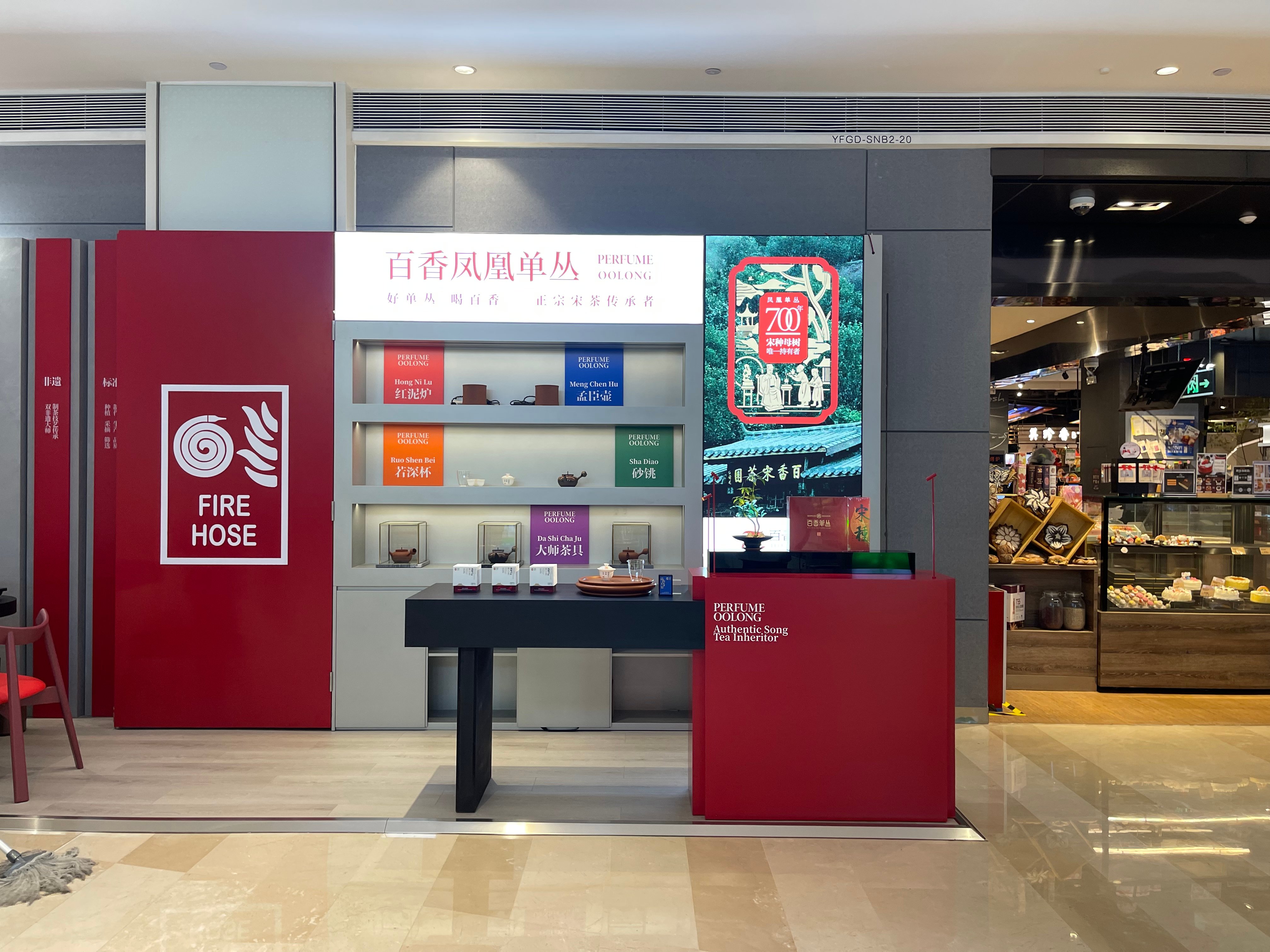
Progettare un bancone retail efficace richiede un’attenta valutazione di numerosi fattori aziendali che influenzano direttamente l’esperienza del cliente, l’efficienza operativa e la rappresentazione del marchio. Un bancone retail ben progettato non è semplicemente un punto di transazione: diventa un elemento strategico in grado di influenzare la percezione del cliente, la produttività del personale e la funzionalità complessiva del negozio. Le aziende devono valutare diversi aspetti progettuali, tra cui i requisiti spaziali, la scelta dei materiali, l’ottimizzazione del flusso di lavoro e l’allineamento estetico con l’identità del proprio marchio, al fine di creare un bancone retail che supporti realmente i propri obiettivi commerciali.
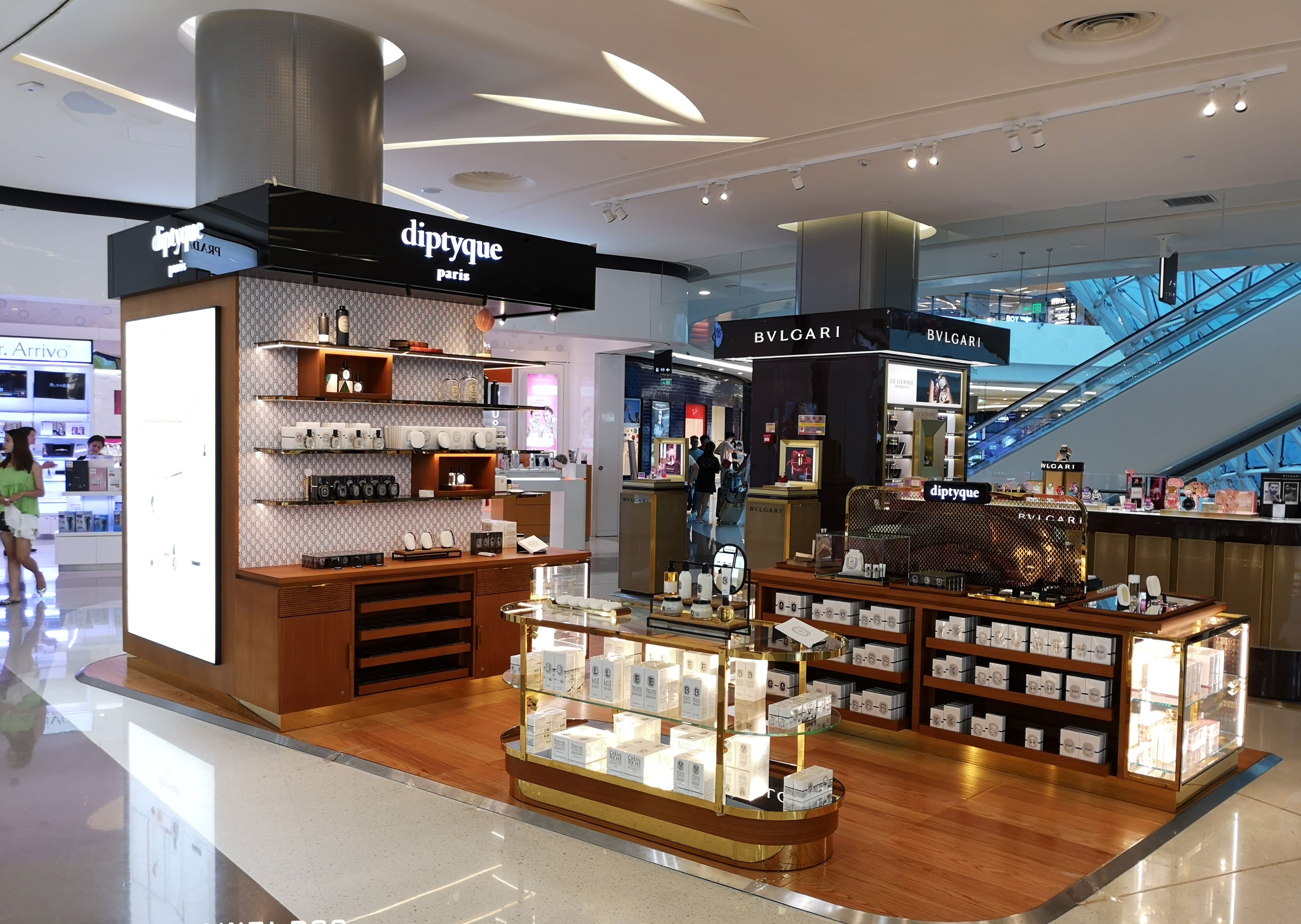
Il processo di progettazione di un bancone al dettaglio prevede un equilibrio tra requisiti funzionali e obiettivi estetici, tenendo conto anche delle implicazioni aziendali a lungo termine. Dalla definizione delle dimensioni e dell’altezza ottimali alla scelta di materiali resistenti e all’integrazione di soluzioni tecnologiche, ogni decisione progettuale influisce sul modo in cui i clienti interagiscono con lo spazio e su quanto efficacemente il personale può svolgere i propri compiti. Comprendere tali aspetti fin dalle prime fasi della progettazione aiuta le aziende a evitare modifiche costose in un secondo momento, garantendo che il bancone al dettaglio diventi un asset prezioso, in grado di migliorare sia la soddisfazione del cliente sia le prestazioni operative.
Pianificazione dello spazio e requisiti dimensionali
Calcolo delle dimensioni ottimali del bancone
La determinazione delle dimensioni adeguate per un bancone al dettaglio inizia con l'analisi dello spazio disponibile sul pavimento e dei modelli previsti di affluenza dei clienti. La lunghezza del bancone deve essere sufficiente a gestire i volumi di transazioni massimi, lasciando contemporaneamente spazio adeguato per la formazione delle code dei clienti, senza creare colli di bottiglia in altre aree del negozio. L'altezza standard dei banchi al dettaglio varia generalmente da 36 a 42 pollici, ma l'altezza specifica deve tenere conto dell'ergonomia del personale, dei requisiti di esposizione dei prodotti e delle norme di accessibilità per i clienti con disabilità.
La profondità del bancone riveste un ruolo fondamentale per la funzionalità: deve offrire spazio sufficiente per l’attrezzatura alla cassa, per lo stoccaggio dei prodotti e per le aree di lavoro del personale, mantenendo al contempo distanze confortevoli per l’interazione con i clienti. La maggior parte dei banconi al dettaglio più efficaci ha una profondità compresa tra 24 e 30 pollici, garantendo uno spazio di lavoro adeguato senza creare barriere tra il personale e i clienti. Il progetto deve inoltre prevedere uno spazio di circolazione retrostante il bancone, che richiede generalmente da 36 a 42 pollici per consentire al personale di muoversi agevolmente e di accedere alle aree di stoccaggio.
Flusso di traffico ed esperienza del cliente
Un bancone al dettaglio posizionato in modo strategico influenza i modelli complessivi di traffico all’interno del negozio e può indirizzare i clienti lungo percorsi di acquisto desiderati. La collocazione del bancone deve favorire un movimento naturale dei clienti, garantendo al contempo linee di vista chiare per la supervisione da parte del personale e per il monitoraggio della sicurezza. È necessario prevedere aree di attesa ben definite, che non interferiscano con i clienti intenti a visionare i prodotti né ostruiscano l’accesso alle vetrine merceologiche.
Il design del bancone al dettaglio deve prevedere uno spazio adeguato per gli oggetti personali dei clienti, le borse della spesa e i prodotti esaminati durante le transazioni. Ciò include la valutazione di un aggetto del bancone sul lato cliente, per garantire posizioni comode in piedi e prevenire affollamenti. Inoltre, il design deve essere in grado di gestire diversi scenari di transazione, dai pagamenti rapidi alle consulenze più complesse, che richiedono ulteriore spazio sul bancone per dimostrazioni di prodotto o per il completamento di documenti.
Selezione dei Materiali e Fattori di Durata
Prestazioni del materiale superficiale
La scelta dei materiali superficiali appropriati per un bancone commerciale richiede la valutazione di durabilità, esigenze di manutenzione e longevità estetica in condizioni di intenso utilizzo quotidiano. Gli ambienti commerciali ad alto traffico richiedono materiali resistenti a graffi, macchie e danni da impatto, mantenendo nel tempo il proprio aspetto originale. Le opzioni più diffuse includono materiali solidi, compositi in quarzo e sistemi in laminato, ciascuno dei quali offre diversi vantaggi in termini di costo, resistenza e flessibilità progettuale.
Il materiale superficiale scelto deve resistere a frequenti operazioni di pulizia con disinfettanti e prodotti detergenti professionali, senza subire degradazione o decolorazione. Le soluzioni con superfici continue aiutano a prevenire l’accumulo di batteri e semplificano le procedure di manutenzione, aspetto particolarmente importante nei settori della vendita alimentare o delle attività legate alla salute. La scelta del materiale deve inoltre tenere conto della resistenza al calore, della resistenza chimica e della possibilità di riparare piccoli danni senza dover sostituire intere sezioni del bancone.
Considerazioni sul telaio strutturale
La struttura portante di un bancone al dettaglio deve supportare non solo il materiale superficiale, ma anche le attrezzature integrate, i componenti per lo stoccaggio e le sollecitazioni operative quotidiane. I materiali per la struttura comprendono generalmente acciaio, alluminio o prodotti in legno ingegnerizzati, scelti in base ai requisiti di carico, ai vincoli di installazione e alle considerazioni di budget. La progettazione strutturale deve consentire il fissaggio delle attrezzature per il punto vendita, il passaggio dei cavi elettrici e le eventuali modifiche future, senza compromettere la stabilità.
Una corretta pianificazione strutturale prevede la valutazione dei requisiti sismici, delle normative edilizie e degli standard di accessibilità che potrebbero influenzare la progettazione della struttura. Quest’ultima deve fornire un adeguato supporto per cassetti, scaffalature e attrezzature, garantendo nel contempo un facile accesso agli impianti e ai punti di manutenzione. I punti di integrazione per i sistemi elettrici, dati e di sicurezza devono essere pianificati già nella fase di progettazione strutturale, per evitare costose modifiche successive durante il processo di installazione.
Integrazione tecnologica e posizionamento delle attrezzature
Requisiti del sistema di punto vendita
La progettazione moderna del bancone al dettaglio deve prevedere sistemi di punto vendita sofisticati, comprendenti terminali touch screen, stampanti per ricevute, lettori di carte e cassetti per contanti. La disposizione del bancone deve garantire un posizionamento ergonomico delle attrezzature utilizzate frequentemente dal personale, assicurando nel contempo che gli schermi rivolti verso il cliente siano facilmente visibili e accessibili. I sistemi di gestione dei cavi diventano fondamentali per mantenere un aspetto ordinato, pur garantendo connessioni affidabili per tutti i componenti elettronici.
I requisiti di alimentazione elettrica e di trasmissione dati per la tecnologia applicata ai banchi al dettaglio superano generalmente le esigenze elettriche di base, richiedendo circuiti dedicati e connessioni di rete. La progettazione deve prevedere un numero sufficiente di prese elettriche, porte USB per la ricarica e punti di accesso alla rete, nascondendo nel contempo i cavi all’interno della struttura del bancone. Una pianificazione volta a futuri aggiornamenti tecnologici garantisce che banco del negozio il bancone rimanga funzionale man mano che i sistemi evolvono e le esigenze aziendali cambiano.
Integrazione della Sicurezza e del Monitoraggio
Le considerazioni sulla sicurezza nella progettazione dei banconi al dettaglio includono l’integrazione di attrezzature per la videosorveglianza, sistemi di allarme e soluzioni per lo stoccaggio sicuro, senza compromettere l’estetica o la funzionalità. I punti di fissaggio delle telecamere devono garantire una copertura completa delle aree dedicate alle transazioni, preservando nel contempo la privacy del cliente in situazioni appropriate. La progettazione del bancone deve prevedere spazio per diversi dispositivi di sicurezza, tra cui allarmi sotto il bancone, sistemi di gestione del contante e meccanismi di controllo degli accessi.
L’integrazione dello stoccaggio sicuro richiede una pianificazione accurata per casseforti, cassetti chiusi a chiave e compartimenti ad accesso controllato all’interno della struttura del bancone al dettaglio. Queste caratteristiche di sicurezza devono essere integrate in modo armonioso nel disegno complessivo, garantendo al contempo un accesso rapido da parte del personale autorizzato durante le normali operazioni. La progettazione deve inoltre tenere conto delle linee di vista e dei requisiti di visibilità che consentono al personale di monitorare le attività dei clienti e scoraggiare tentativi di furto.
Allineamento del marchio e integrazione estetica
Coerenza dell’identità visiva
Un bancone al dettaglio funge da punto di contatto con il marchio particolarmente visibile, che deve rafforzare l’identità aziendale attraverso elementi visivi, materiali e un linguaggio progettuale coerenti. Il design del bancone deve essere in linea con l’estetica complessiva del negozio, integrando al contempo i colori, le texture e lo stile del marchio con cui i clienti identificano l’azienda. Questa integrazione va oltre le finiture superficiali e comprende la scelta delle ferramenta, l’integrazione dell’illuminazione e gli elementi decorativi che supportano il riconoscimento del marchio.
Le scelte dei materiali e delle finiture devono rispecchiare il posizionamento del marchio, sia che si enfatizzi il lusso attraverso materiali premium, la sostenibilità mediante opzioni ecologiche, oppure l’innovazione grazie all’integrazione di tecnologie moderne. Il design del bancone al dettaglio diventa parte dell’esperienza del cliente con il marchio, influenzando le percezioni relative a qualità, professionalità e valori aziendali. La coerenza con gli altri arredi del negozio e con la segnaletica crea un ambiente unitario che rafforza il messaggio del marchio lungo l’intero percorso del cliente.
Integrazione di Illuminazione e Visualizzazione
Un’efficace integrazione dell’illuminazione migliora sia la funzionalità sia l’estetica del bancone al dettaglio, supportando al contempo la presentazione dei prodotti e creando l’atmosfera appropriata. L’illuminazione d’uso garantisce un’illuminazione adeguata per le attività transazionali e per la gestione della documentazione, mentre l’illuminazione d’accento può mettere in risalto i prodotti o creare interesse visivo. Il progetto illuminotecnico deve integrarsi armoniosamente con l’illuminazione generale del negozio, fornendo al contempo l’illuminazione specifica necessaria per le operazioni al bancone.
Le funzionalità di visualizzazione integrate nel design del bancone al dettaglio consentono di utilizzare materiali promozionali, vetrine di prodotti o messaggi di marca senza ingombrare lo spazio di lavoro. Queste aree di visualizzazione integrate devono essere facilmente accessibili per l'aggiornamento dei contenuti, mantenendo al contempo linee pulite e un aspetto professionale. Occorre considerare sia l'integrazione di display digitali che il montaggio di segnaletica tradizionale che supporti gli obiettivi di marketing e le esigenze di comunicazione con i clienti.
Ergonomica e funzionalità del personale
Ottimizzazione della superficie di lavoro
La produttività e il comfort del personale dipendono in modo significativo dalla corretta progettazione ergonomica della superficie di lavoro del bancone e delle aree circostanti. L'altezza del bancone dovrebbe ospitare personale di varie dimensioni, consentendo al contempo un'operazione confortevole delle attrezzature e l'interazione con i clienti. I componenti regolabili o le zone di altezza variabili possono soddisfare le esigenze ergonomiche mantenendo la coerenza estetica in tutto il design del bancone.
La disposizione della superficie di lavoro deve ridurre al minimo i movimenti ripetitivi e lo sforzo fisico durante i periodi di maggiore affluenza, posizionando gli oggetti più utilizzati a portata di mano. Il design deve prevedere uno spazio adeguato per le ginocchia, un supporto per i piedi e superfici di appoggio in piedi che riducano l’affaticamento durante turni prolungati. L’integrazione degli spazi di stoccaggio deve garantire un accesso agevole a materiali, moduli e attrezzature, evitando allungamenti o piegamenti eccessivi che potrebbero causare infortuni sul luogo di lavoro.
Sistemi di Archiviazione e Organizzazione
Un’integrazione efficiente degli spazi di stoccaggio nel design del bancone al dettaglio influisce direttamente sull’efficienza operativa e sull’organizzazione dello spazio di lavoro. Sistemi di cassetti, scaffalature e contenitori suddivisi in compartimenti devono ospitare vari articoli, dagli accessori da ufficio ai campioni di prodotto, mantenendo comunque un facile accesso durante le interazioni con i clienti. Il design degli spazi di stoccaggio deve bilanciare le esigenze di capacità con quelle di sicurezza e di accessibilità per i diversi membri del personale.
I sistemi di organizzazione integrati nel bancone al dettaglio devono supportare procedure standardizzate e la gestione dell'inventario, adattandosi al contempo alle esigenze aziendali in evoluzione. I componenti modulari per lo stoccaggio consentono una riprogettazione in base all'evoluzione delle linee di prodotto o dei requisiti operativi. Il design deve inoltre prevedere un facile accesso per le operazioni di pulizia e manutenzione delle aree di stoccaggio, al fine di garantire funzionalità a lungo termine e standard igienici.
FAQ
Qual è l'altezza standard di un bancone al dettaglio?
L'altezza standard di un bancone al dettaglio varia generalmente da 36 a 42 pollici, con 38–40 pollici che rappresentano la soluzione più comune per applicazioni al dettaglio generiche. L'altezza ottimale dipende dall'ergonomia del personale, dal comfort del cliente e dai requisiti di accessibilità. Le aziende devono valutare attentamente le proprie specifiche esigenze operative e assicurarsi la conformità alle linee guida ADA sull'accessibilità nella definizione delle specifiche finali dell'altezza del bancone.
Quanto spazio va previsto dietro un bancone al dettaglio per il movimento del personale?
Lo spazio di circolazione dietro il bancone dovrebbe misurare tipicamente almeno 36–42 pollici per consentire un comodo movimento del personale e l’accesso alle aree di stoccaggio. Negli ambienti retail più affollati o in punti vendita con più addetti, potrebbero essere necessari 48 pollici o più per evitare congestioni durante i periodi di maggiore affluenza. L’allocazione dello spazio deve inoltre tenere conto dell’apertura delle porte, dell’estensione dei cassetti e dei requisiti di accesso agli apparecchi.
Quali sono i requisiti elettrici da prevedere per un bancone retail moderno?
I requisiti elettrici tipici per un bancone retail moderno includono circuiti dedicati da 20 A per le attrezzature per il punto vendita, numerose prese GFCI per vari dispositivi, connessioni di rete per sistemi basati su internet e predisposizioni per l’alimentazione degli equipaggiamenti di sicurezza. La progettazione deve prevedere anche funzionalità di ricarica USB, circuiti per l’illuminazione d’uso e capacità residua per eventuali aggiornamenti tecnologici futuri. Una consulenza elettrica professionale garantisce calcoli corretti dei carichi e la conformità alle normative vigenti.
In che modo la progettazione del bancone al dettaglio può adattarsi ai futuri cambiamenti aziendali?
La progettazione di un bancone al dettaglio pronta per il futuro prevede componenti modulari, percorsi di collegamento degli impianti facilmente accessibili e sistemi di stoccaggio flessibili, in grado di adattarsi alle esigenze aziendali in evoluzione. Pannelli rimovibili per l’accesso agli apparecchi, capacità elettrica espandibile e sistemi di fissaggio standardizzati consentono modifiche senza necessità di interventi edilizi importanti. Prevedere già nella fase iniziale di progettazione gli aggiornamenti tecnologici e i cambiamenti operativi riduce al minimo i costi futuri di ristrutturazione e le interruzioni dell’attività.
Indice dei Contenuti
- Pianificazione dello spazio e requisiti dimensionali
- Selezione dei Materiali e Fattori di Durata
- Integrazione tecnologica e posizionamento delle attrezzature
- Allineamento del marchio e integrazione estetica
- Ergonomica e funzionalità del personale
-
FAQ
- Qual è l'altezza standard di un bancone al dettaglio?
- Quanto spazio va previsto dietro un bancone al dettaglio per il movimento del personale?
- Quali sono i requisiti elettrici da prevedere per un bancone retail moderno?
- In che modo la progettazione del bancone al dettaglio può adattarsi ai futuri cambiamenti aziendali?