
 EN
EN


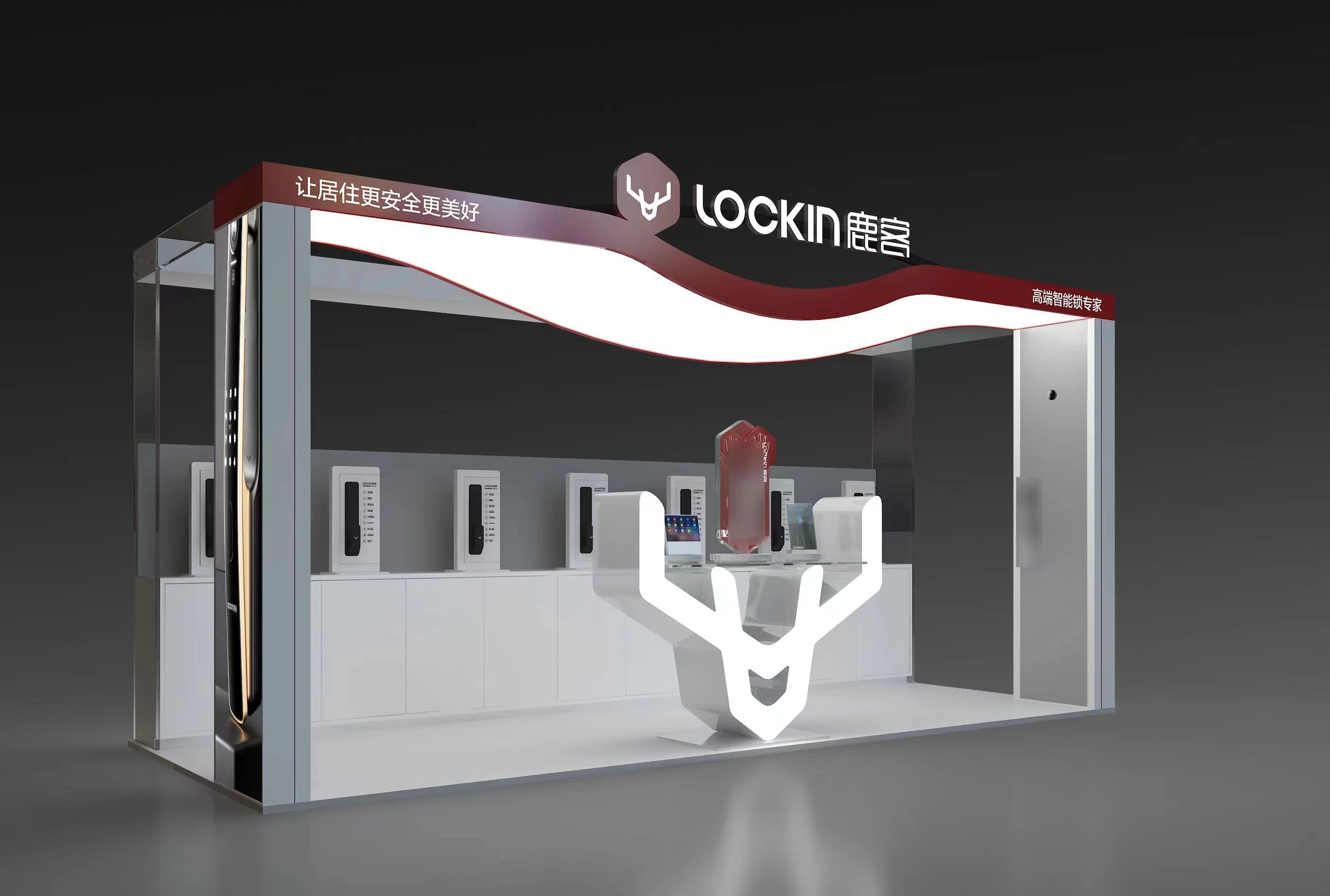
Butikkskranken fungerer som ett av de viktigste berøringspunktene mellom kunder og merker, og fungerer både som et funksjonelt arbeidsområde og en kraftfull mulighet for merkebygging. Å forstå hvordan designet av butikkskranke effektivt kan speile merkeidentiteten krever en analyse av den strategiske samspillet mellom visuell estetikk, materialvalg og romlig plassering innenfor butikkens miljø. Når den er gjennomført på en gjennomtenkt måte, blir butikkskranke stille ambassadører for merket som formidler verdier, personlighet og kvalitetsstandarder til hver eneste kunde som interagerer med dem.
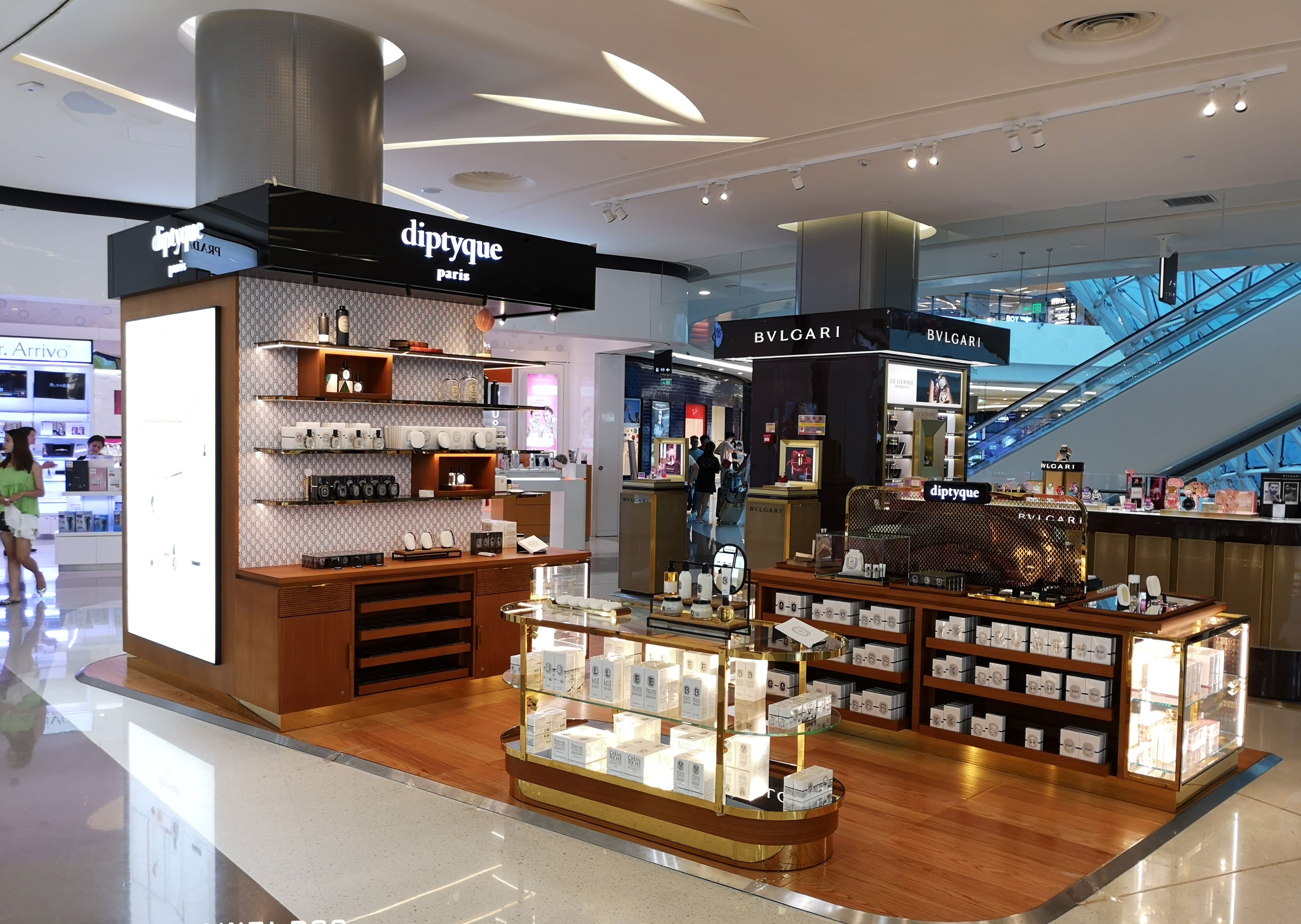
Moderne butikker erkjenner at hvert designelement i butikkene deres må fungere samlet for å styrke merkevarekommunikasjonen, og butikkdisken tar en spesielt innflytelsesrik plass i dette økosystemet. Utenfor dens åpenbare transaksjonsfunksjon kan en godt designet butikkdisk skille et merke fra konkurrenter, forbedre kundens opplevelse og skape minneverdige inntrykk som styrker kundeloyalitet. Utfordringen ligger i å omsette abstrakte merkekonsepter til konkrete designelementer som resonnerer med målgruppene, samtidig som driftseffektiviteten opprettholdes.
Oversettelse av visuelt språk gjennom design av butikkdisk
Fargepsykologi og merkeassosiasjon
Fargenøkkelene som velges for en butikkdisk kommuniserer umiddelbart merkevarens personlighet og verdier til kundene. Luksusmerker bruker ofte dype, rike nyanser som midnattssvart, gullakkenter eller strålende hvitt for å formidle eleganse og premiumkvalitet. Disse fargevalgene går langt ut over ren estetikk, siden de utløser psykologiske reaksjoner som samsvarer med ønskede merkevareoppfatninger. For eksempel kan teknologibutikker inkludere glatte metallfarger og kalde blå nyanser for å understreke innovasjon og nøyaktighet, mens organiske merker foretrekker jordfarger for å styrke sin naturlige posisjonering.
Fargekonsistens på alle butikkdisker, fra hovedkonstruksjonen til tilbehør og beslag, sikrer en samhengende merkevarepresentasjon. Strategisk bruk av aksentfarger kan fremheve spesifikke merkevareelementer eller skape visuell hierarki i diskens design. Når kunder nærmer seg butikkdisken, bør fargeskjemaet umiddelbart knyttes til deres eksisterende merkevareassosiasjoner, noe som styrker gjenkjennelse og tillit. Denne fargestategien må også ta hensyn til belysningsforholdene og hvordan ulike materialer reflekterer eller absorberer lys gjennom døgnet.
Typografi og grafisk integrasjon
Typografi spiller en avgjørende rolle i å formidle merkevareidentitet gjennom design av butikkdisker, og går langt ut over enkel logoplassering til å omfatte alle tekstlige elementer. Valg av skrifttyper, deres størrelse, avstander og plassering på disken handelskontor må være i tråd med merkevarens kommunikasjonsstil. Moderne minimalistiske merkevarer kan bruke rene, sans-serif-skrifttyper med generøs hvit plass, mens merkevarer med tradisjon kan inkludere klassiske serif-skrifttyper som formidler tradisjon og pålitelighet.
Grafiske elementer integrert i designet av butikkdisken fungerer som konstante påminnelser om merkevareidentiteten gjennom hele kundekontaktene. Dette kan inkludere subtile mønstre, merkevaresymboler integrert i utstyr eller skreddersydde elementer som speiler merkevarens visuelle språk. Nøkkelen ligger i å oppnå riktig balanse mellom tydelig merkevarepresens og funksjonell klarhet, slik at grafiske elementer forsterker – og ikke overveldes av – diskenes primære formål.
Materialvalg som merkevareuttrykk
Struktur og taktil merkevareopplevelse
Valg av materialer for butikkdisker skaper umiddelbare taktila assosiasjoner som støtter merkevarens posisjonering og verdier. Premiummerker velger ofte materialer som naturlig stein, massivt tre eller metall av høy kvalitet for å formidle kvalitet og håndverk gjennom berøring. Overflateteksturen på en butikkdisk blir en del av merkevareopplevelsen, der glatte, polerte overflater antyder presisjon og finhet, mens strukturerte overflater kan formidle autentisitet og håndverk.
Holdbarheten og vedlikeholdsbehovet til de valgte materialene reflekterer også merkevarens verdier knyttet til bærekraft og levetid. Merker som legger vekt på miljøansvar kan velge gjenbrukt tre eller materialer laget av gjenvunnet materiale til konstruksjonen av sine butikkdisker, slik at materialenes historie blir en del av merkevarens fortelling. Hvordan materialene utvikler seg med tiden kan enten forsterke eller svekke merkevarebildet, noe som gjør langsiktig materialytelse til en avgjørende vurderingsfaktor i designprosessen.
Ferdigkvalitet og merkevareoppfatning
Nivået av ferdigstilling som anvendes på butikkdisplays materiale påvirker direkte kundens oppfatning av merkevarens kvalitet og omsorg for detaljer. Premiummerker investerer vanligvis i feilfrie overflater med nøyaktig kantbehandling, sømløse ledd og konsekvent overflatekvalitet, noe som speiler deres forpliktelse til excellens. Selv om disse ferdigstillingsdetaljene kanskje virker små enkeltvis, skaper de samlet et kraftfullt inntrykk av merkevarens standarder og verdier.
Overflatebehandlinger og beskyttende belag må balansere estetiske mål med praktiske krav, slik at butikkdisken beholder sitt merkevaretilpassede utseende gjennom intens daglig bruk. Utvalget av beslag – fra håndtak til scharnirer og utstillingselementer – gir ytterligere muligheter til å styrke merkeidentiteten gjennom materialkonsistens og designkontinuitet. Hvert synlige element bør bidra til en sammenhengende merkehistorie som kundene kan oppleve gjennom flere sansebaserte berøringspunkter.
Romlig konfigurasjon og merkeposisjonering
Diskehøyde og kundekommunikasjon
Høyden og konfigurasjonen av en butikkdisk påvirker i betydelig grad karakteren av kunde-ansatt-interaksjoner og, som en utvidelse av dette, merkevareoppfatningen. Diskhøyden kommuniserer relasjonsdynamikken, der standardhøyder fremmer likhet og tilgjengelighet, mens hevede disker kan signalere autoritet eller premiumposisjonering. Merker som legger vekt på tilnærmelighet og kundeservice velger ofte diskhøyder som muliggjør behagelige samtaler og øyekontakt.
Flernivåbutikkdiskdesigner kan tilpasse seg ulike typer interaksjoner samtidig som de styrker merkevarehierarkiet og tjenestetilbudet. For eksempel kan en lavere sektor håndtere rutinemessige transaksjoner, mens en høyere sektor fokuserer på rådgivende tjenester, noe som speiler merkets forpliktelse til personlig kundehåndtering. Den romlige relasjonen mellom kunde- og ansattområder kommuniserer merkeverdier knyttet til gjennomsiktighet, tilgjengelighet og tjenestefilosofi.
Integrasjon med butikkens innredning
Plasseringen og orienteringen av butikkdisker i den totale butikkoppsettet må støtte merkevarens fortellingsstrategi og målene for kundens reise. Strategisk plassering kan styre trafikken, skape fokuspunkter og etablere tydelige siktlinjaer som forsterker merkevarens budskap gjennom hele kjøpsopplevelsen. Disker plassert sentralt signaliserer åpenhet og tilgjengelighet, mens plassering langs periferien kan skape mer intimt og rådgivende miljøer.
Butikkdiskens forhold til andre butikkelementer – inkludert produktutstillinger, seteområder og digitale skjermer – gir muligheter for integrerte merkeopplevelser. Når disse elementene fungerer sammen på en samhørig måte, forsterkes merkevarens budskap og kundens interaksjoner blir mer minneverdige. Disken bør føles som en naturlig utvidelse av merkevarens miljø, ikke som et isolert funksjonelt element.
Teknologisammenkobling og moderne merkeuttrykk
Integrasjon av digital visning
Moderne butikkdiskdesign inkluderer i økende grad digitale elementer som forbedrer merkevarekommunikasjon samtidig som de støtter operasjonell effektivitet. Integrerte skjermer, interaktive display og digital skiltning muliggjør dynamisk merkevarekommunikasjon som kan tilpasses ulike tidspunkter på dagen, årstider eller kampanjeperioder. Integreringen av disse teknologiene må føles sømløs og hensiktsmessig, snarere enn bare dekorativ, der digitale elementer støtter – og ikke overveldes av – det fysiske designet.
Valget av displayteknologi, skjermstørrelser og monteringsløsninger bør være i tråd med merkevarens estetikk og kundenes forventninger. Minimalistiske merkevarer kan foretrekke diskrete, innbygde display, mens teknologiorienterte merkevarer kan vise fram sin innovasjon gjennom fremtredende, interaktive installasjoner. Innholdet som vises på disse digitale elementene blir en utvidelse av merkevareidentiteten og krever nøye kurering for å sikre konsistens med den totale merkevarekommunikasjonen.
Funksjonell teknologi og merkeverdier
Betalingsteknologi, lagerstyringssystemer og kundeserviceredskaper som er integrert i butikkdiskers design kan styrke merkeverdier knyttet til effektivitet, sikkerhet og innovasjon. Synligheten og tilgjengeligheten til disse teknologiene kommuniserer merkets prioriteringer til kundene, der merker som legger vekt på gjennomsiktighet ofte viser fram sine avanserte systemer, mens andre kanskje foretrekker diskresjon og sømløs integrering.
Bærekraftige teknologivalg, som energieffektive skjermer eller fornybare energikilder, gir miljøbevisste merker mulighet til å demonstrere sine verdier gjennom sitt butikkdiskdesign. Valg og integrering av funksjonell teknologi bør støtte både operative krav og merkefortelling, og skape muligheter for meningsfull kundeengasjement rundt merkeverdier og innovasjon.
Tilpasning og Merkevare-differensiering
Unike Designelementer
Tilpassede designelementer i konstruksjonen av butikkdisker gir merkevarene muligheter til å skape virkelig unike opplevelser som konkurrenter ikke kan kopiere. Dette kan inkludere eksklusive maskinvaredesign, tilpassede belysningsløsninger, unike lagringskonfigurasjoner eller karakteristiske dekorative elementer som blir synonyme med merkevaren. Investeringen i tilpassede elementer viser merkevarens forpliktelse til å skape eksepsjonelle kundopplevelser.
Utviklingen av karakteristiske designelementer krever nøye vurdering av fremstillingsmuligheter, vedlikeholdsbehov og langsiktig merkevare-relevans. Tilpassede elementer bør forbedre, ikke komplisere daglige driftsprosesser, samtidig som de gir tydelige fordeler når det gjelder merkevare-differensiering. De mest vellykkede tilpassede elementene i butikkdisker blir ikoniske merkesymboler som kundene assosierer med positive kjøpsopplevelser.
Modulære designsystemer
Modulære butikkdisk-systemer lar merker opprettholde en konsekvent identitet på flere steder samtidig som de tilpasser seg stedsbestemte krav og lokale forskrifter. Velutformede modulære systemer inkluderer standardiserte komponenter som kan konfigureres på ulike måter, uten å kompromittere sentrale brand-elementer. Denne tilnærmingen sikrer brand-konsistens samtidig som den gir operasjonell fleksibilitet for ulike butikkformater og -størrelser.
Utviklingen av omfattende designstandarder for modulære butikkdisk-systemer krever detaljert dokumentasjon av akseptable variasjoner, materialekrav og monteringsprosedyrer. Disse standardene må være robuste nok til å sikre brand-konsistens, men samtidig fleksible nok til å tilpasse seg ulike butikk-miljøer. Opplæringsprogrammer for monteringslag blir avgjørende for å opprettholde designintegritet på alle steder.
Ofte stilte spørsmål
Hvilke materialer fungerer best for butikkdisker som skal vise et luksusbrand?
Luksusbutikker bruker vanligvis premiummaterialer som naturlig stein (f.eks. marmor eller granitt), massivt hardtre med high-end-finish, mattede metaller som rustfritt stål eller messing, og høykvalitetslamina med sofistikerte strukturer. Disse materialene bør demonstrere eksepsjonell håndverkskunst gjennom nøyaktig fremstilling, sømløse skjøter og feilfrie overflatebehandlinger som understreker merkevarens forpliktelse til kvalitet og oppmerksomhet på detaljer.
Hvordan kan små butikker lage inntrykksgivende design for butikkdisken innenfor begrensede budsjett?
Butikker som er bevisste på budsjettet kan oppnå en sterk merkevareuttrykk gjennom strategiske valg av farger, belysning og forsiktig utvalgte aksentmaterialer i stedet for dyre grunnmaterialer. Fokuser på å skape én eller to høyimpakt-elementer, som tilpasset belysning eller unik beslag, mens du bruker kostnadseffektive grunnmaterialer med kvalitetsoverflater. Konsekvent bruk av merkevarefarger og typografi kan skape et profesjonelt uttrykk uten store investeringer i materialer.
Hva rolle spiller belysning i merkevareuttrykk for butikkdisker?
Belysning påvirker kraftig hvordan kunder oppfatter materialer, farger og overflater på butikkdisker. En strategisk belysningsdesign kan fremheve premiummaterialer, skape stemning som samsvarer med merkevarens personlighet og sikre konsekvent fargerepresentasjon gjennom ulike tidspunkter på dagen. LED-systemer gir fleksibilitet til å skape ulike belysningscenarioer samtidig som de støtter målene om energieffektivitet, noe som samsvarer med bærekraftige merkevareverdier.
Hvor ofte bør butikkdiskdesign oppdateres for å bevare merkevarens relevans?
Butikkdiskdesign er typisk effektive i 5–7 år før de krever betydelige oppdateringer, selv om mindre fornyelser – som oppdatering av belysning eller integrering av teknologi – kan skje hvert 2.–3. år. Oppdateringsfrekvensen bør være i tråd med den overordnade merkevareutvecklingen, butikkens renoveringscykler og teknologiska framsteg som kan forbedre kundens opplevelse. Tidsløse designelementer kombinert med tilpasningsbare komponenter gir best langsiktig verdi og merkevarekonsistens.
Innholdsfortegnelse
- Oversettelse av visuelt språk gjennom design av butikkdisk
- Materialvalg som merkevareuttrykk
- Romlig konfigurasjon og merkeposisjonering
- Teknologisammenkobling og moderne merkeuttrykk
- Tilpasning og Merkevare-differensiering
-
Ofte stilte spørsmål
- Hvilke materialer fungerer best for butikkdisker som skal vise et luksusbrand?
- Hvordan kan små butikker lage inntrykksgivende design for butikkdisken innenfor begrensede budsjett?
- Hva rolle spiller belysning i merkevareuttrykk for butikkdisker?
- Hvor ofte bør butikkdiskdesign oppdateres for å bevare merkevarens relevans?