
 EN
EN



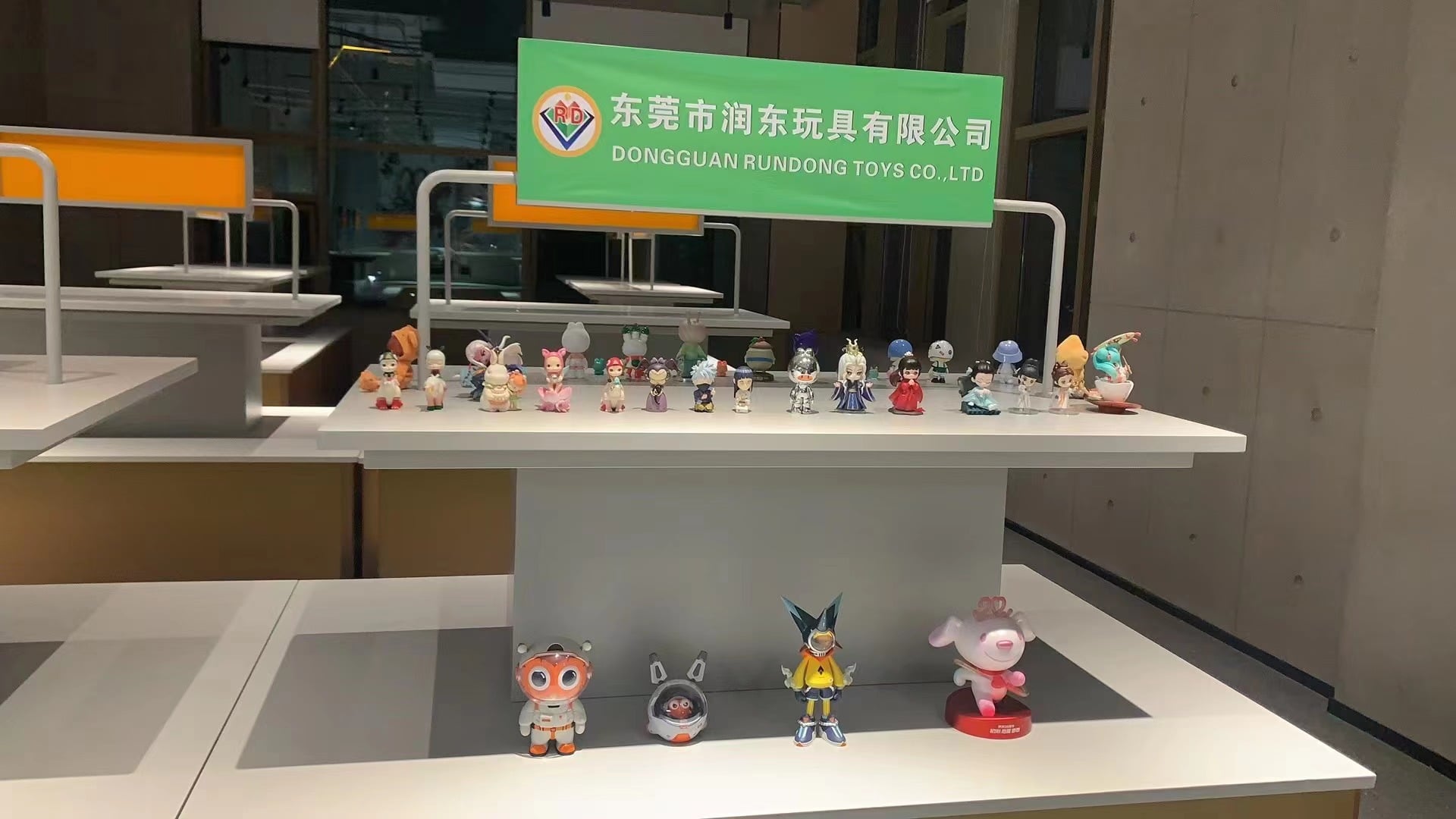
Vytvorenie účinnej obchodnej výkladňovej ruky vyžaduje dôkladné zváženie viacerých dizajnových faktorov, ktoré priamo ovplyvňujú zapojenie zákazníkov, viditeľnosť produktov a nakoniec aj predajný výkon. Úspech ktorejkoľvek obchodnej výkladňovej ruky závisí od toho, ako dobre vyváži funkčnosť, estetiku a praktické aspekty špecifické pre obchodné prostredie a cieľovú skupinu.
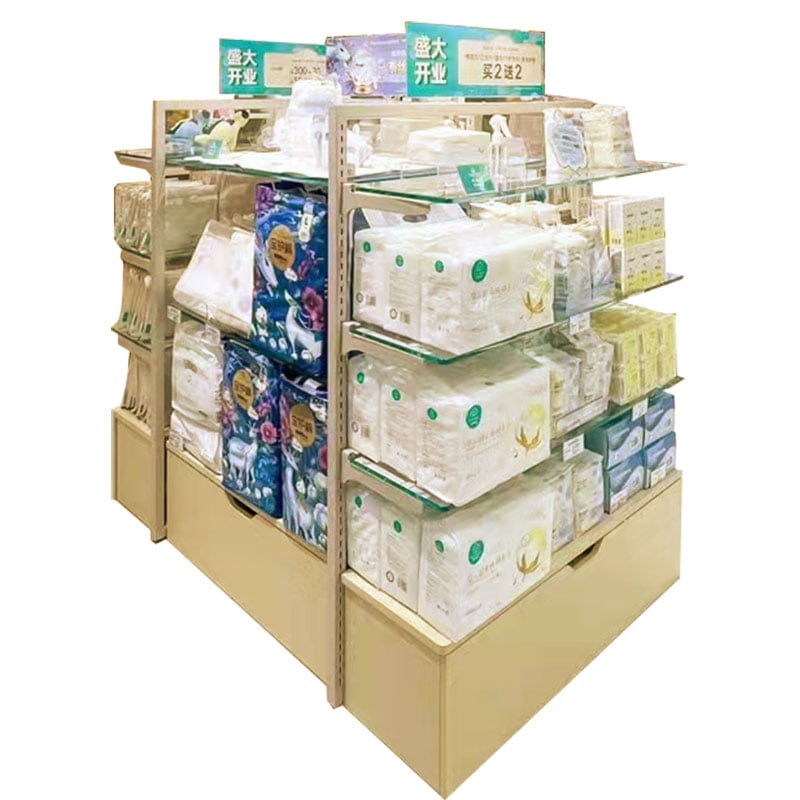
Porozumenie kľúčovým dizajnovým prvkom, ktoré prispievajú k účinnosti obchodnej výkladňovej ruky, umožňuje obchodníkom robiť informované rozhodnutia, ktoré zlepšujú zákaznícku skúsenosť a zároveň maximalizujú efektivitu prezentácie produktov. Tieto dizajnové faktory spolupracujú synergicky tak, aby vytvorili výkladne, ktoré nielen upútajú pozornosť, ale tiež uspokojivo podporia nákupný proces a prevádzkový pracovný postup.
Vizuálny dopad a prvky príťažlivosti pre zákazníkov
Zohľadnenie výšky a proporcií pri návrhu
Výška obchodného výkladového regálu významne ovplyvňuje jeho viditeľnosť a prístupnosť v rámci obchodného prostredia. Optimálna výška regálu zabezpečuje, že sa výrobky nachádzajú v pohodlných zónach pre pozorovanie a dosah pre cieľovú demografickú skupinu, pričom si zachovávajú vizuálnu výraznosť po celom obchodnom priestore. Najúčinnejšie návrhy obchodných výkladových regálov zahŕňajú stupňované výškové štruktúry, ktoré vytvárajú vizuálnu hĺbku a umožňujú stratégiu umiestnenia výrobkov na rôznych úrovniach zorného poľa.
Proporcionálny návrh ide ďaleko za jednoduché merania výšky a zahŕňa vzťah medzi šírkou, hĺbkou a vertikálnymi prvkami. Dobrým proporciám obchodného výkladového regálu sa dosiahne vizuálna rovnováha pri maximálnej využiteľnosti výkladového priestoru bez dojmu preplnenosti či nestability. Proporcionálne vzťahy tiež ovplyvňujú spôsob, akým sa zákazníci pohybujú okolo výkladu a ako interagujú s vystavovanými výrobkami.
Farebné schéma a výber materiálu
Farebné varianty pre obchodnú výkladňovú rámček by mali dopĺňať nielen výrobky, ktoré sa na nej vystavujú, ale aj celkový estetický dojem obchodu, pričom je potrebné vyhnúť sa farbám, ktoré sú v konkurencii s tovarom o pozornosť zákazníkov. Neutrálnych tónov sa často používa najviac, pretože poskytujú sofistikované pozadie, ktoré zvyšuje viditeľnosť výrobkov bez vzniku vizuálnych konfliktov. Výber materiálu má priamy vplyv na vizuálny dojem i vnímanú kvalitu obchodnej výkladňovej rámček.
Premium materiály, ako napríklad matný kov, drevené povrchy vysokej kvality alebo sofistikované kompozity, komunikujú kvalitu značky a vytvárajú pozitívne asociácie s vystavovanými výrobkami. Zvolené materiály musia tiež zodpovedať pozícií značky a očakávaniam cieľovej zákazníckej skupiny, pričom je potrebné zohľadniť aj praktické faktory, ako sú požiadavky na údržbu a dlhodobá trvanlivosť v obchodných prostrediach s vysokým premávkou.
Funkčné usporiadanie a prístupové funkcie
Organizácia výrobkov a logika vystavovania
Účinný návrh obchodného výkladového regálu zahŕňa logické princípy organizácie produktov, ktoré smerujú tok pozornosti zákazníkov a uľahčujú ľahké vyhľadávanie produktov. Rozmiestnenie by malo vytvárať prirodzené vzory prechádzania, ktoré povzbudzujú zákazníkov k preskúmaniu celého výkladu, pričom kľúčové produkty alebo akcie zdôrazňuje strategickým umiestnením. Jasné výhľady po celom vystavný stojan pre obchod zabezpečujú, že všetky produkty zostanú viditeľné a prístupné.
Logika výkladu tiež berie do úvahy vzťahy medzi produktmi a príležitosti na krížové predávanie tým, že umiestňuje doplnkové položky v blízkosti, aby podporovala ďalšie nákupy. Systém organizácie by mal byť intuitívny tak, aby zákazníci mohli rýchlo nájsť požadované produkty a zároveň objaviť súvisiace položky, ktoré by ich mohli zaujať. Tento stratégiou riadený prístup k umiestneniu produktov v obchodnom výkladovom regáli priamo ovplyvňuje priemernú hodnotu transakcií.
Tok zákazníkov a návrh interakcie
Návrh obchodného výkladového regálu musí zohľadňovať prirodzené pohybové vzory zákazníkov a poskytovať pohodlné priestory na interakciu okolo obvodu výkladu. Dostatočný voľný priestor zabraňuje prepchatosti a umožňuje viacerým zákazníkom súčasne prehliadať tovar bez vzájomného obmedzovania. Návrh interakcie zohľadňuje vzdialenosť dosahu, požiadavky na predklonenie sa a uhly viditeľnosti, aby sa zabezpečilo pohodlné preskúmanie tovaru.
Účinný návrh obchodného výkladového regálu predvídá správanie zákazníkov a zahŕňa prvky, ktoré uspokojujú plynulé interakčné skúsenosti. To zahŕňa zohľadnenie rôznych výšok zákazníkov, obmedzení mobility a nákupných preferencií. Návrh by mal podporovať zapojenie zákazníkov, ale zároveň zabrániť vzniku úzkych miest alebo nepríjemného postavenia, ktoré by mohli odrazovať zákazníkov od dôkladného preskúmania vystavovaného tovaru.
Štrukturálna pevnosť a manažment zaťaženia
Rozloženie hmotnosti a systémy stability
Štruktúrna stabilita predstavuje kritický dizajnový faktor pre akýkoľvek maloobchodný výkladný regál, pretože priamo ovplyvňuje bezpečnosť, trvanlivosť a dôveru zákazníkov. Správne rozloženie hmotnosti zabezpečuje, aby displej zostal stabilný za rôznych podmienok zaťaženia a zároveň prispôsobil sa rôznym typom a množstvám výrobkov. Konštrukčný návrh musí zohľadňovať statické zaťaženia z zobrazených výrobkov a dynamické sily z interakcií so zákazníkom.
Pokročilé retailové výkladové stojany obsahujú konštruované stabilizačné systémy, ktoré rovnomerne rozdeľujú hmotnosť na celej konštrukcii a zároveň zachovávajú vizuálnu eleganciu. Tieto systémy často zahŕňajú posilnené pripojenie bodov, strategické podporiť prvky a základné návrhy, ktoré poskytujú primeranú podporu bez vytvárania nebezpečenstva sklamania alebo vizuálne neporiadok v maloobchodnom prostredí.
Trvanlivosť a požiadavky na údržbu
Zohľadnenie dlhodobej trvanlivosti ovplyvňuje každý aspekt návrhu obchodných výkladníkov – od výberu materiálov až po metódy spojovania jednotlivých častí. Trvanlivé konštrukcie minimalizujú potrebu údržby a zároveň zachovávajú kvalitu vzhľadu počas dlhodobého používania. Faktor trvanlivosti nadobúda obzvlášť veľký význam v obchodných priestoroch s vysokou návštevnosťou, kde výkladníky podliehajú neustálej interakcii so zákazníkmi aj manipulácii personálu.
Konštrukčné prvky, ktoré usľahčujú údržbu, umožňujú ľahké čistenie, výmenu tovaru a drobné opravy bez narušenia prevádzky obchodu. Patrí sem napríklad prístupnosť spojovacích miest, vymeniteľné komponenty a povrchové úpravy, ktoré odolávajú opotrebovaniu a zároveň sa ľahko čistia. Dobrým návrhom obchodného výkladníka je taký, ktorý udržiava svoj vzhľad aj funkčnosť s minimálnymi nákladmi na pravidelnú údržbu.
Prispôsobivosť a možnosti konfigurácie
Modulárne konštrukčné prvky
Modulárne návrhové princípy umožňujú systémom obchodných výkladních policiek prispôsobiť sa meniacim sa požiadavkám na tovar, sezónnym akciám a vyvíjajúcim sa usporiadanim obchodov. Účinné modulárne systémy poskytujú flexibilitu pri konfigurácii a zároveň zachovávajú štrukturálnu celistvosť a vizuálnu jednotnosť v rôznych usporiadaniach. Modulárny prístup umožňuje obchodníkom maximalizovať svoje investície do výkladní tým, že podporuje rozmanité kategórie výrobkov aj meniace sa obchodné stratégie.
Dobrze navrhnuté modulárne systémy obchodných výkladních policiek zahŕňajú štandardizované pripojovacie rozhrania, vymeniteľné komponenty a škálovateľné konfigurácie, ktoré rastú spolu s potrebami podnikania. Táto flexibilita sa ukazuje ako obzvlášť cenná pre obchodníkov, ktorí často aktualizujú svoju ponuku výrobkov alebo sezónne ponuky, pretože infraštruktúra výkladní sa môže prispôsobiť bez nutnosti úplnej výmeny.
Prispôsobenie na sezónne a propagačné účely
Návrh obchodného výkladného regálu by mal umožňovať prispôsobenie sa sezónnym zmenám v tovarnej ponuke a propagačným kampaniam bez potreby významných štrukturálnych úprav. Táto prispôsobivosť zahŕňa funkcie na dočasné pripevnenie informačných tabúľ, integráciu osvetlenia a úpravy konfigurácie, ktoré podporujú rôzne propagačné stratégie. Prispôsobiteľnosť návrhu umožňuje predávajúcim maximalizovať dopad sezónnych kampaní a zároveň zachovať prevádzkovú efektivitu.
Propagačné úpravy často vyžadujú dočasné zmeny štandardných konfigurácií obchodných výkladných regálov, napríklad rozšírenie kapacity pre predávané položky alebo zvýšenie viditeľnosti pre predstavenie nových výrobkov. Základný návrh by mal tieto dočasné zmeny podporovať a zároveň umožňovať jednoduché vrátenie sa ku štandardným konfiguráciám po skončení propagačných období.
Integrácia do obchodného prostredia
Kompatibilita so štruktúrou obchodu
Úspešný návrh obchodného výkladového stojanu berie do úvahy celkové usporiadanie obchodu a vzory premiestňovania zákazníkov, aby sa zabezpečila optimálna integrácia do celkového obchodného prostredia. Výklad by mal dopĺňať existujúce vybavenie a súčasne vytvárať vizuálne zaujímavé body, ktoré zvyšujú kvalitu nákupného zážitku. Kompatibilita sa rozširuje aj na praktické aspekty, ako sú obmedzenia výšky stropu, požiadavky na šírku prechodov a koordinácia s ostatným obchodným vybavením.
Kompatibilita s usporiadaním obchodu zahŕňa tiež pochopenie mapovania cesty zákazníka a umiestnenie výkladového stojanu tak, aby sa maximalizovala jeho viditeľnosť počas prirodzených nákupných vzorov. Integrácia by mala pôsobiť bezproblémovo a účelovo, nie ako nepremyslené doplnenie či prekážka pre pohyb zákazníkov v rámci obchodného priestoru.
Možnosti integrácie technológií
Moderný dizajn výkladových polic pre maloobchod čoraz viac zahŕňa možnosti integrácie technológií na podporu digitálnych cenových štítkov, interaktívnych prvkov alebo propagačných displejov. Tieto technologické funkcie zvyšujú angažovanosť zákazníkov a súčasne poskytujú maloobchodným predávajúcim dynamické nástroje pre merchandising. Dizajn musí umožniť umiestnenie káblov, splniť požiadavky na napájanie a upevnenie zariadení bez kompromitovania celkovej estetiky ani štrukturálnej integrity.
Plánovanie integrácie technológií by malo brať do úvahy možnosti budúcich aktualizácií aj nové technológie v oblasti maloobchodu, ktoré by mohli zvýšiť účinnosť výkladových polic. Tento proaktívny prístup zabezpečuje, že investícia do výkladových polic pre maloobchod zostane aktuálna vzhľadom na neustále sa vyvíjajúce technológie v maloobchodnom sektore, čím poskytuje dlhodobú hodnotu a konkurenčné výhody.
Často kladené otázky
Aká výška výkladovej police pre maloobchod je optimálna z hľadiska prístupnosti pre zákazníkov?
Optimálna výška pre obchodnú výkladnú ruku sa zvyčajne pohybuje od 48 do 60 palcov pre hornú poličku, čo zabezpečuje, že výrobky zostanú v pohodlnom dosahu väčšiny zákazníkov. Najčastejšie používané výrobky by mali byť umiestnené vo výške medzi 30 a 48 palcami, čo zodpovedá prirodzenej úrovni zorného poľa a pohodlnému dosahovému priestoru väčšiny nakupujúcich. Konkrétna výška však musí byť upravená podľa vašej cieľovej demografickej skupiny a typov výrobkov, ktoré sa vystavujú.
Ako určím správny materiál pre svoju obchodnú výkladnú ruku?
Výber materiálu pre obchodnú výkladnú ruku by mal zohľadniť vyváženosť medzi trvanlivosťou, estetikou a rozpočtovými možnosťami, pričom by mal súhlasiť s obrazom vašej značky a prostredím obchodu. Kovové materiály, ako napríklad oceľ s práškovým povlakom, ponúkajú vynikajúcu trvanlivosť a moderný vzhľad, zatiaľ čo drevené materiály poskytujú teplo a premium dojem, avšak vyžadujú väčšiu údržbu. Zvážte faktory, ako je očakávaný objem návštevníkov, požiadavky na hmotnosť vystavovaných produktov, schopnosti údržby a spôsob, akým sa materiál bude zhodovať s existujúcimi výkladnými prvkom obchodu a pozíciou vašej značky.
Aké konštrukčné prvky zabezpečujú stabilitu obchodnej výkladnej ruky pri intenzívnom používaní?
Kľúčové štrukturálne prvky, ktoré zabezpečujú stabilitu obchodného výkladového regálu, zahŕňajú široký závažový podstavec, posilnené spojovacie body medzi poličkami a nosnými konštrukciami a správne rozloženie záťaže na všetkých nosných prvkoch. Diagonálne zosilnenie medzi zvislými nosníkmi zvyšuje stabilitu, zatiaľ čo nastaviteľné vyrovnávacie nožičky kompenzujú nerovnosti podlahy. Celkový dizajn by mal rovnomerne rozdeliť nielen hmotnosť vystavovaných výrobkov, ale aj dynamické sily vznikajúce pri interakcii zákazníkov so štruktúrou, aby sa zabránilo prevrhnutiu alebo rozkývaniu počas používania.
Môže dizajn obchodného výkladového regálu zohľadniť zároveň sezónne zmeny aj propagačné kampane?
Áno, účinné návrhy obchodných výkladních stojanov zahŕňajú prispôsobivé prvky, ktoré umožňujú výmenu sezónneho tovaru a realizáciu propagačných kampaní bez nutnosti štrukturálnych úprav. Hľadajte modulárne komponenty, nastaviteľné výšky políc, integrované možnosti upevnenia informačných tabúľ a flexibilné body na pripojenie osvetlenia. Návrh by mal umožňovať jednoduchú prekonfiguráciu výkladných plôch, dočasné rozšírenie kapacity počas predajných akcií a rýchlu výmenu medzi rôznymi kategóriami výrobkov pri zachovaní štrukturálnej integrity a vizuálnej atraktivity počas týchto prechodov.
Obsah
- Vizuálny dopad a prvky príťažlivosti pre zákazníkov
- Funkčné usporiadanie a prístupové funkcie
- Štrukturálna pevnosť a manažment zaťaženia
- Prispôsobivosť a možnosti konfigurácie
- Integrácia do obchodného prostredia
-
Často kladené otázky
- Aká výška výkladovej police pre maloobchod je optimálna z hľadiska prístupnosti pre zákazníkov?
- Ako určím správny materiál pre svoju obchodnú výkladnú ruku?
- Aké konštrukčné prvky zabezpečujú stabilitu obchodnej výkladnej ruky pri intenzívnom používaní?
- Môže dizajn obchodného výkladového regálu zohľadniť zároveň sezónne zmeny aj propagačné kampane?