
 EN
EN



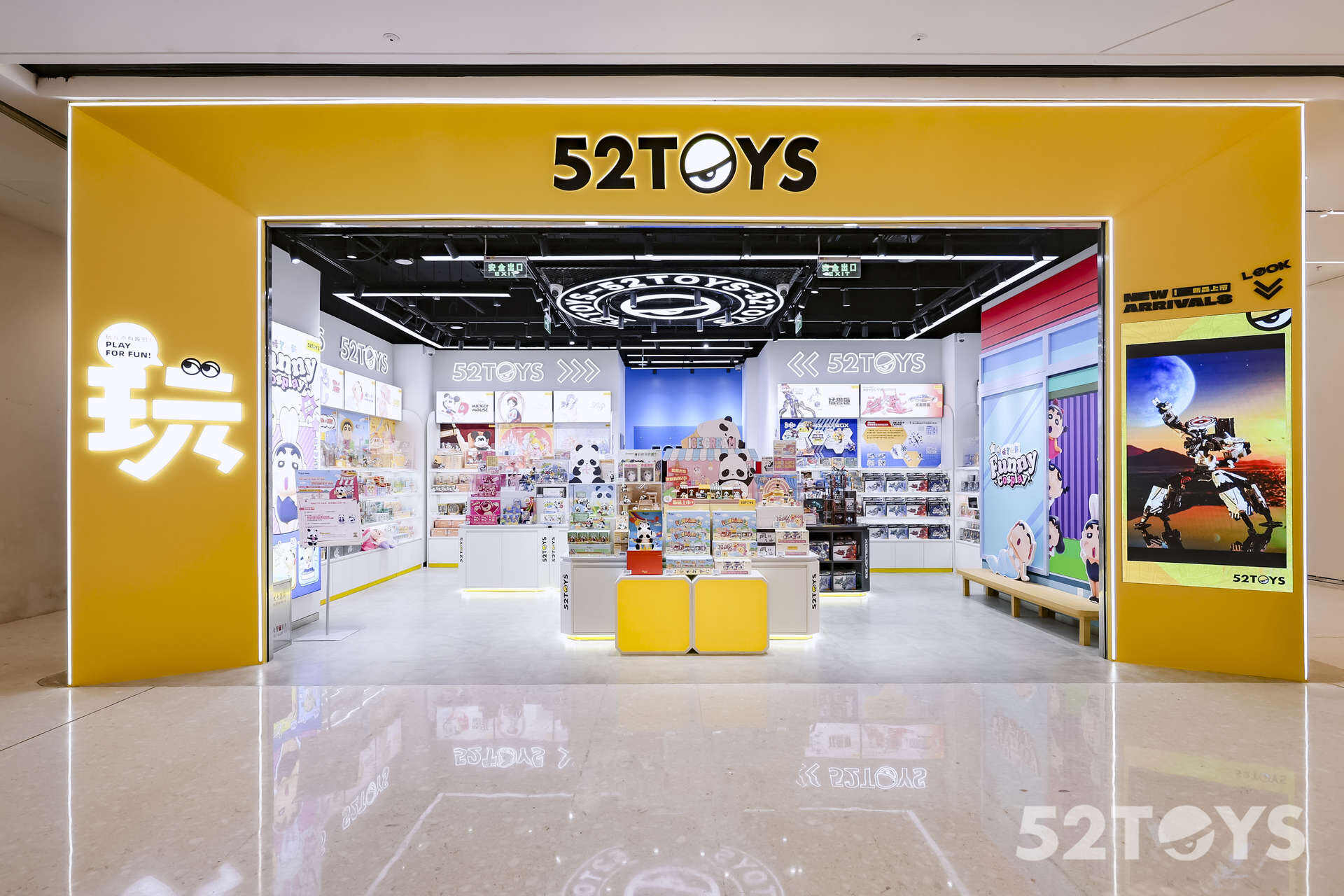
The strategic arrangement of store fixtures fundamentally transforms how customers navigate and interact within retail environments. These essential elements serve as both functional displays and psychological guides that influence purchasing decisions, dwell time, and overall shopping satisfaction. Understanding the intricate relationship between store fixtures and customer behavior enables retailers to optimize their space for maximum engagement and sales conversion.
The Psychology Behind Fixture Placement and Customer Movement
Natural Traffic Patterns in Retail Spaces
Customers naturally gravitate toward certain pathways when entering retail establishments, with most following predictable movement patterns that store fixtures can either enhance or disrupt. Research demonstrates that shoppers typically move counterclockwise through stores, creating opportunities for strategic fixture positioning. The placement of store fixtures near entrance areas immediately establishes expectations and guides initial customer decisions about which direction to explore first.
The decompression zone, located just inside the entrance, requires careful consideration of fixture selection and spacing. This transitional area allows customers to adjust to the new environment while processing visual information about product categories and store layout. Store fixtures positioned too close to entrances can create bottlenecks and anxiety, while appropriately spaced displays encourage natural exploration and discovery.
Fixture Height and Sightline Management
The vertical dimension of store fixtures significantly impacts customer comfort and navigation ease throughout retail spaces. Strategic height variation creates visual interest while maintaining clear sightlines that prevent customers from feeling trapped or disoriented. Taller fixtures work effectively for creating departments and privacy, while lower displays maintain open feelings that encourage continued exploration.
Eye-level positioning remains crucial for high-priority merchandise, with store fixtures designed to present products at optimal viewing angles. The placement of fixtures at varying heights also accommodates different customer demographics and accessibility requirements, ensuring inclusive shopping experiences that welcome diverse populations.
Strategic Fixture Arrangement for Optimal Flow Control
Creating Natural Pathways
Effective store fixtures arrangement involves creating intuitive pathways that feel natural rather than forced or restrictive to customers. The spacing between fixtures should accommodate comfortable passage for multiple shoppers while preventing the rushed feeling that occurs in narrow corridors. Wide main aisles with strategically positioned store fixtures along the perimeter encourage exploration of secondary product areas.
Curved fixture arrangements often prove more effective than rigid geometric patterns for encouraging natural movement flow. These organic layouts reduce the institutional feeling that can develop with overly structured displays, instead creating environments that feel welcoming and easy to navigate. The key lies in balancing structure with flexibility, allowing customers to create their own discovery journeys.
Anchor Points and Destination Fixtures
Certain store fixtures serve as anchor points that draw customers deeper into retail spaces and encourage extended browsing sessions. These destination fixtures typically showcase high-interest merchandise or seasonal collections that create excitement and anticipation. Positioning these anchor elements strategically throughout the space ensures even distribution of customer traffic rather than concentration in front areas.
The spacing between anchor fixtures requires careful calculation to maintain engagement while preventing customer fatigue. Too much distance between interesting displays can result in dead zones where customers lose interest, while excessive clustering creates competition for attention and reduces individual fixture effectiveness.
Fixture Types and Their Impact on Customer Behavior
Gondola Systems and Aisle Definition
Gondola fixtures excel at creating clear departmental boundaries while maintaining flexibility for seasonal adjustments and product category changes. These versatile store fixtures allow retailers to modify configurations without major renovation, adapting to changing merchandise mix and customer preferences. The modular nature of gondola systems supports both structured browsing and impulse discovery opportunities.
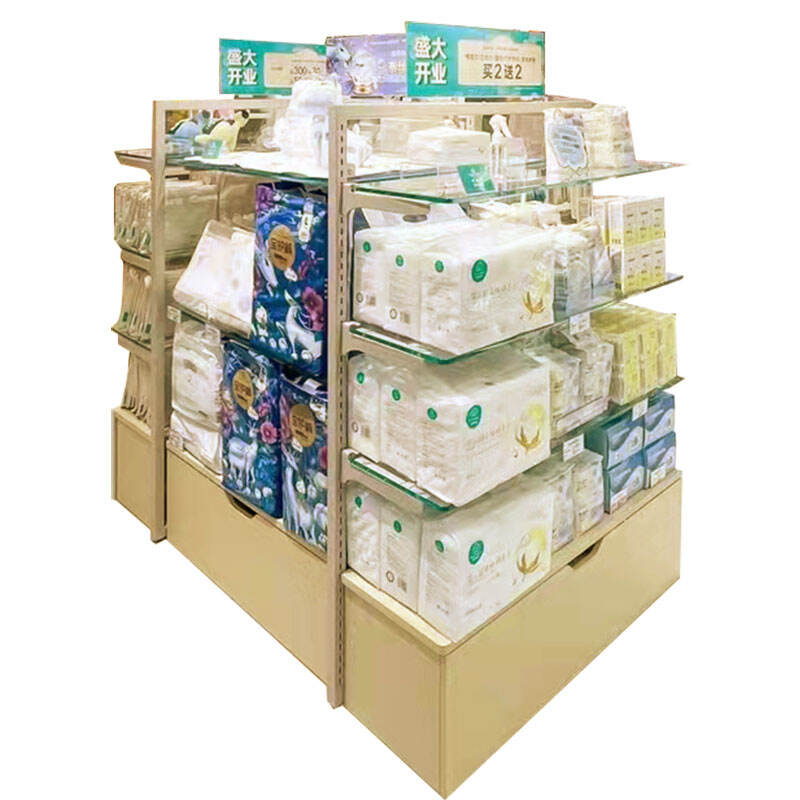
Double-sided gondola arrangements maximize product exposure while creating natural aisles that guide customer movement. The height and depth of these store fixtures can be adjusted to accommodate different merchandise types and create varied shopping experiences within the same space. Strategic end-cap positioning on gondola systems creates high-impact presentation areas for featured products and promotional items.
Island Displays and Central Attraction Points
Island fixture configurations serve as focal points that break up long sight lines and create natural gathering areas within retail spaces. These central fixtures encourage customers to pause and examine merchandise from multiple angles, increasing engagement time and purchase consideration. The 360-degree accessibility of island displays maximizes product exposure while creating comfortable shopping zones.
The positioning of island store fixtures requires careful attention to traffic flow patterns and emergency egress requirements. These elements should enhance rather than obstruct natural movement, serving as way-finding aids that help customers orient themselves within larger retail spaces. Proper spacing around island displays prevents crowding while maintaining the intimate atmosphere that encourages detailed product examination.
Technology Integration and Modern Fixture Solutions
Digital Enhancement of Physical Fixtures
Contemporary store fixtures increasingly incorporate digital elements that provide product information, pricing updates, and interactive experiences. These technological enhancements extend the functional capacity of traditional displays while maintaining the tactile experience that customers value in physical retail environments. Digital screens integrated into fixture designs can showcase product demonstrations, customer reviews, and related item suggestions.
The integration of technology into store fixtures must complement rather than overwhelm the physical shopping experience. Successful implementations provide valuable information at the point of consideration while preserving the authentic product interaction that drives purchase confidence. Balance remains essential to prevent digital elements from creating distraction or confusion within the shopping journey.
Smart Fixtures and Data Collection
Advanced store fixtures now incorporate sensors and analytics capabilities that provide valuable insights into customer behavior patterns and product performance. These intelligent displays can track dwell time, product interaction frequency, and traffic flow patterns, enabling continuous optimization of fixture placement and merchandise presentation. The data collected helps retailers make informed decisions about store layout adjustments and inventory management.
Privacy considerations and customer comfort remain paramount when implementing smart fixture technologies. Transparent data collection policies and obvious value exchange help maintain customer trust while gathering beneficial insights. The goal involves enhancing the shopping experience rather than creating surveillance concerns that might deter customers.
Seasonal Adaptability and Fixture Flexibility
Modular Systems for Dynamic Retail
Modern retail demands require store fixtures that can adapt quickly to seasonal merchandise changes, promotional campaigns, and evolving customer preferences. Modular fixture systems provide the flexibility needed to reconfigure spaces without major disruption to ongoing operations. This adaptability extends the useful life of fixture investments while maintaining fresh, engaging environments.
The ability to modify fixture configurations supports both planned seasonal transitions and rapid response to market opportunities. Retailers can test different arrangements to optimize customer flow and product presentation, gathering performance data that informs future layout decisions. This iterative approach to fixture placement creates continuously improving shopping environments.
Multi-Purpose Fixture Design
Versatile store fixtures that serve multiple functions provide enhanced value and space efficiency in modern retail environments. These adaptive elements can transform from product displays to seating areas, information stations, or demonstration spaces as needs change throughout the day or season. Multi-purpose designs reduce the total number of fixtures required while increasing functional density.
The design of multi-purpose store fixtures requires careful consideration of structural integrity, aesthetic consistency, and ease of conversion between functions. Successful implementations provide clear visual cues about current functionality while maintaining the flexibility to adapt to changing requirements. This approach maximizes space utilization while minimizing capital investment in specialized equipment.
FAQ
How do store fixtures influence customer spending patterns?
Store fixtures directly impact customer spending through strategic product placement, visual merchandising, and navigation guidance. Well-positioned fixtures increase product visibility, encourage impulse purchases, and create comfortable browsing environments that extend shopping sessions. The arrangement of fixtures can highlight high-margin items, suggest related purchases, and create natural stopping points where customers pause to examine merchandise more closely.
What is the optimal spacing between store fixtures for customer comfort?
The ideal spacing between store fixtures depends on the retail category, customer demographics, and local accessibility requirements. Generally, main aisles should provide 8-10 feet of clearance to accommodate multiple customers and shopping carts, while secondary pathways can be narrower at 4-6 feet. The key involves balancing space efficiency with customer comfort, ensuring easy navigation while maximizing product exposure and display opportunities.
How frequently should store fixture arrangements be modified?
Store fixture arrangements should be evaluated and potentially modified every 3-6 months, with major reconfigurations typically occurring seasonally or annually. Regular assessment of customer traffic patterns, sales performance data, and merchandise requirements helps determine when changes are beneficial. Minor adjustments may be needed more frequently to accommodate new products, promotional campaigns, or observed customer behavior patterns.
What role do store fixtures play in brand identity and customer experience?
Store fixtures serve as crucial brand ambassadors that communicate company values, quality standards, and aesthetic preferences to customers. The style, materials, and configuration of fixtures should align with overall brand identity while creating cohesive shopping experiences. High-quality fixtures convey premium brand positioning, while flexible, accessible designs demonstrate customer-centric values and inclusive shopping philosophies.