
 EN
EN



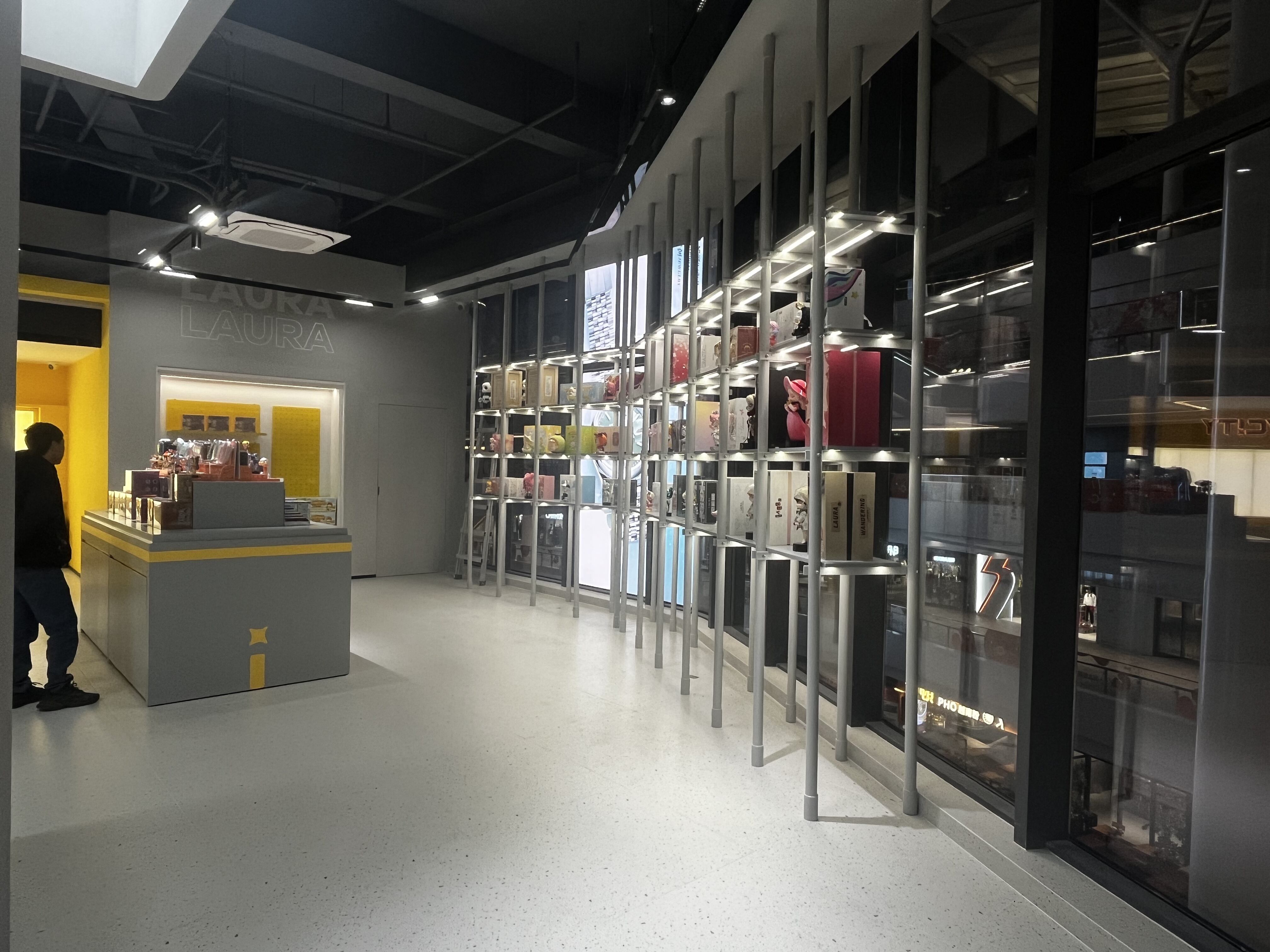
Maximizing space efficiency in compact retail environments requires strategic implementation of well-designed display solutions. Modern retailers face increasing pressure to optimize every square foot while maintaining attractive product presentations that drive sales. The gondola display for retail chain store environments has emerged as a critical component in achieving this delicate balance between functionality and visual appeal. Smart retailers understand that proper display stand design can transform cramped spaces into profitable merchandising opportunities.
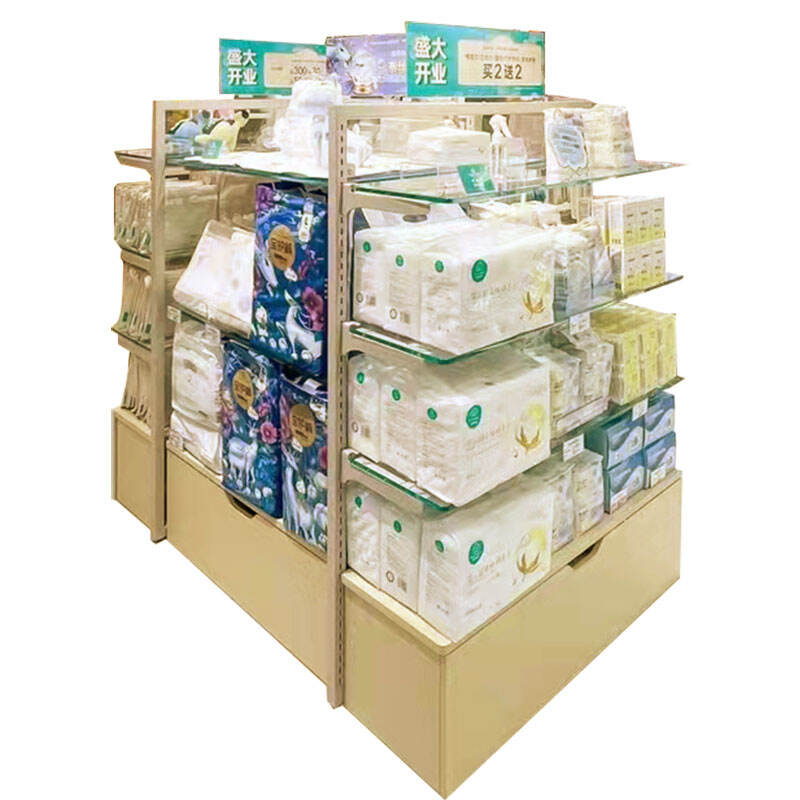
Effective space utilization begins with understanding the fundamental principles of retail display psychology and customer flow patterns. When customers navigate through tight spaces, their shopping behavior changes significantly compared to expansive store layouts. Display stands must accommodate these behavioral shifts while presenting merchandise in ways that encourage interaction and purchase decisions. The gondola display for retail chain store applications serves as a versatile solution that adapts to various spatial constraints.
Vertical Space Optimization Strategies
Multi-Tier Display Architecture
Vertical merchandising represents one of the most effective methods for maximizing display capacity within limited floor space. Multi-tier display systems allow retailers to showcase significantly more products without expanding their physical footprint. The key lies in creating visually appealing arrangements that guide the customer's eye naturally from bottom to top. Professional gondola display for retail chain store installations often incorporate adjustable shelving systems that accommodate products of varying heights and dimensions.
Strategic tier spacing prevents overcrowding while ensuring adequate visibility for all displayed items. Research indicates that customers typically focus their attention on eye-level merchandise first, making the middle tiers prime real estate for high-margin products. Lower tiers work well for bulk items or promotional merchandise, while upper tiers can house specialty items or seasonal products that don't require immediate accessibility.
Height-Adjustable Components
Flexibility in display configuration allows retailers to adapt their presentations based on inventory changes and seasonal requirements. Height-adjustable shelving systems enable quick reconfiguration without requiring complete display overhauls. This adaptability proves particularly valuable for compact stores that must frequently rotate their product mix to maintain customer interest and accommodate supplier changes.
Modern gondola display for retail chain store systems incorporate tool-free adjustment mechanisms that empower staff to modify configurations efficiently. These systems reduce labor costs associated with display changes while maintaining professional appearance standards. The ability to quickly adjust shelf heights also accommodates products with irregular packaging or promotional displays that require additional clearance.
Modular Design Implementation
Interconnected Display Systems
Modular display architecture enables retailers to create cohesive visual presentations while maintaining operational flexibility. Interconnected systems allow for seamless expansion or reconfiguration as business needs evolve. This approach proves particularly beneficial for chain stores that must maintain brand consistency across multiple locations while accommodating varying store layouts and sizes.
The interconnected nature of professional gondola display for retail chain store solutions facilitates efficient inventory management and restocking procedures. Staff can access products from multiple angles, reducing the time required for maintenance tasks. Additionally, modular systems often incorporate standardized components that simplify replacement procedures and reduce long-term maintenance costs.
Scalable Configuration Options
Scalability ensures that display investments remain viable as businesses grow or relocate to different-sized spaces. Modular systems can be expanded, contracted, or reconfigured to match new spatial requirements without requiring complete replacement. This flexibility protects the retailer's investment while maintaining consistent brand presentation standards across different store formats.
Professional scalable systems incorporate standardized mounting hardware and connection methods that facilitate easy reconfiguration. The gondola display for retail chain store applications benefit significantly from this standardization, as it enables corporate merchandising teams to develop consistent planograms that work across multiple store formats and sizes.
Traffic Flow Enhancement Techniques
Strategic Pathway Creation
Effective display placement creates natural pathways that guide customers through the entire store while maximizing exposure to merchandise. Strategic positioning of display stands can influence customer movement patterns, encouraging exploration of different product categories and increasing average transaction values. The key lies in balancing accessibility with visual impact to create an inviting shopping environment.
Careful consideration of display angles and orientations prevents bottlenecks while maintaining clear sightlines throughout the store. Gondola display for retail chain store implementations often incorporate curved or angled configurations that naturally direct customer flow while presenting merchandise from multiple viewing angles.
Sight Line Management
Maintaining clear sight lines throughout compact retail spaces requires careful attention to display height and positioning. Customers need to feel oriented and comfortable navigating through the space, which means avoiding visual barriers that create confusion or claustrophobia. Strategic sight line management also enhances security by enabling staff to monitor the entire store from key vantage points.
Professional gondola display for retail chain store configurations incorporate sight line considerations into their design specifications. This includes graduated height arrangements that provide visual depth while maintaining accessibility to all displayed products. The result is a more open feeling space that encourages extended browsing and exploration.
Lighting Integration Considerations
Built-in Illumination Systems
Integrated lighting systems enhance product visibility while creating attractive visual presentations that draw customer attention. Proper illumination becomes even more critical in compact spaces where natural light may be limited. Built-in lighting solutions eliminate the need for separate fixtures while providing targeted illumination exactly where needed.
Advanced gondola display for retail chain store systems incorporate LED lighting technologies that provide energy-efficient illumination with minimal heat generation. This consideration proves particularly important in compact spaces where heat buildup could create uncomfortable shopping conditions. Integrated lighting also reduces installation complexity and maintenance requirements compared to separate fixture systems.
Shadow Elimination Strategies
Strategic lighting placement prevents shadows that could obscure product details or create dark areas within the display. Shadow elimination requires careful consideration of light source positioning relative to shelf configurations and typical customer viewing angles. Proper lighting design ensures that all products receive adequate illumination regardless of their position within the display system.
Professional lighting integration in gondola display for retail chain store applications often incorporates multiple light sources to eliminate problematic shadows. This multi-source approach provides even illumination across all display levels while creating visual interest through subtle light variation. The result is enhanced product visibility that encourages closer customer inspection and interaction.
Material Selection Impact
Space-Enhancing Finishes
The choice of materials and finishes significantly impacts the perceived spaciousness of compact retail environments. Light-colored and reflective surfaces help bounce available light throughout the space, creating a brighter and more open feeling. These finishes also provide practical benefits by making dirt and wear more visible, encouraging regular maintenance that keeps the display looking professional.
Professional gondola display for retail chain store systems often incorporate glass or acrylic components that maintain visual transparency while providing necessary structural support. These transparent elements allow customers to see through displays to other areas of the store, preventing the claustrophobic feeling that solid barriers might create in tight spaces.
Durability Versus Aesthetics
Balancing durability requirements with aesthetic appeal requires careful material selection that considers both immediate visual impact and long-term performance. High-traffic retail environments demand materials that maintain their appearance despite constant use and regular cleaning. The investment in quality materials pays dividends through extended service life and maintained professional appearance.
Modern materials technology enables gondola display for retail chain store applications to achieve both durability and visual appeal without compromise. Advanced coating technologies provide scratch and stain resistance while maintaining attractive finishes that complement the retail environment. These materials resist fading and wear patterns that could detract from the professional presentation over time.
Cost-Effective Implementation Methods
Phased Installation Approaches
Implementing comprehensive display solutions doesn't require massive upfront investments when approached strategically. Phased installation allows retailers to spread costs over time while immediately benefiting from improved merchandising capabilities. This approach also provides opportunities to refine display strategies based on customer response and operational experience.
Starting with high-impact areas enables retailers to demonstrate the value of professional gondola display for retail chain store systems before expanding to other store sections. This approach builds internal support for continued investment while providing immediate returns that can fund subsequent phases. The modular nature of professional systems facilitates this phased approach without compromising final integration.
Return on Investment Analysis
Professional display systems generate returns through multiple channels including increased sales per square foot, reduced labor requirements, and enhanced brand presentation. Quantifying these benefits requires tracking key performance indicators before and after implementation. The data collected supports future investment decisions and helps optimize display strategies for maximum impact.
Long-term cost analysis must consider maintenance requirements, reconfiguration flexibility, and potential for expansion or relocation. Quality gondola display for retail chain store systems provide superior return on investment through extended service life and reduced replacement frequency. The initial investment in professional-grade systems often proves more cost-effective than repeated purchases of lower-quality alternatives.
FAQ
What are the primary space-saving benefits of gondola display systems in compact stores?
Gondola display systems maximize vertical merchandising space while maintaining customer accessibility from multiple angles. These systems typically increase product display capacity by 40-60% compared to traditional shelving while creating natural traffic flow patterns. The modular design allows for efficient use of irregular spaces and corners that might otherwise remain underutilized. Additionally, the integrated storage and display functionality eliminates the need for separate stockroom space for many products.
How do professional display systems impact customer shopping behavior in small retail spaces?
Professional display systems create organized shopping environments that reduce customer stress and encourage extended browsing time. Clear sight lines and logical product organization help customers locate desired items quickly while discovering related products. The enhanced presentation quality increases customer confidence in product quality and store professionalism, leading to higher conversion rates and larger average transactions. Strategic lighting and material choices create a more spacious feeling that prevents the claustrophobic sensation often associated with cramped retail spaces.
What maintenance considerations should retailers expect with modular gondola display systems?
Regular maintenance primarily involves cleaning and periodic adjustment of modular components to maintain proper alignment and stability. Quality systems require minimal maintenance beyond routine cleaning and occasional hardware tightening. The standardized components simplify replacement procedures when wear or damage occurs. Most professional gondola display systems include comprehensive maintenance guides and readily available replacement parts to minimize downtime during service procedures.
How can retailers measure the effectiveness of their display stand investments?
Key performance indicators include sales per square foot, inventory turnover rates, and customer dwell time in specific store sections. Tracking these metrics before and after display implementation provides concrete evidence of system effectiveness. Additional measurements include labor efficiency for restocking and merchandising tasks, as well as customer satisfaction scores related to shopping experience and product accessibility. Professional retailers often conduct comparative analysis across multiple store locations to identify optimal display configurations.
Table of Contents
- Vertical Space Optimization Strategies
- Modular Design Implementation
- Traffic Flow Enhancement Techniques
- Lighting Integration Considerations
- Material Selection Impact
- Cost-Effective Implementation Methods
-
FAQ
- What are the primary space-saving benefits of gondola display systems in compact stores?
- How do professional display systems impact customer shopping behavior in small retail spaces?
- What maintenance considerations should retailers expect with modular gondola display systems?
- How can retailers measure the effectiveness of their display stand investments?