
 EN
EN



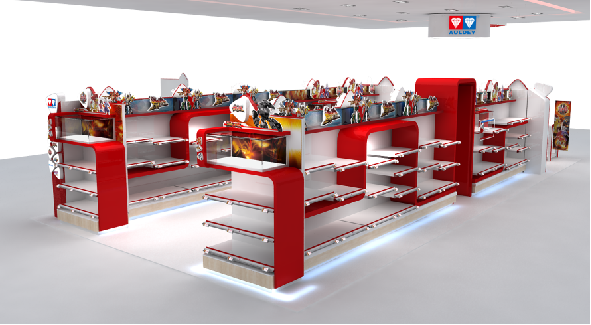
The success of any retail environment hinges significantly on the strategic selection of display solutions that not only enhance product visibility but also create compelling customer experiences. Modern retailers face increasingly complex decisions when selecting retail showcase design options that balance aesthetic appeal, functionality, and operational efficiency. Understanding the various trade-offs involved in these choices can mean the difference between a thriving retail space and one that struggles to engage customers effectively.
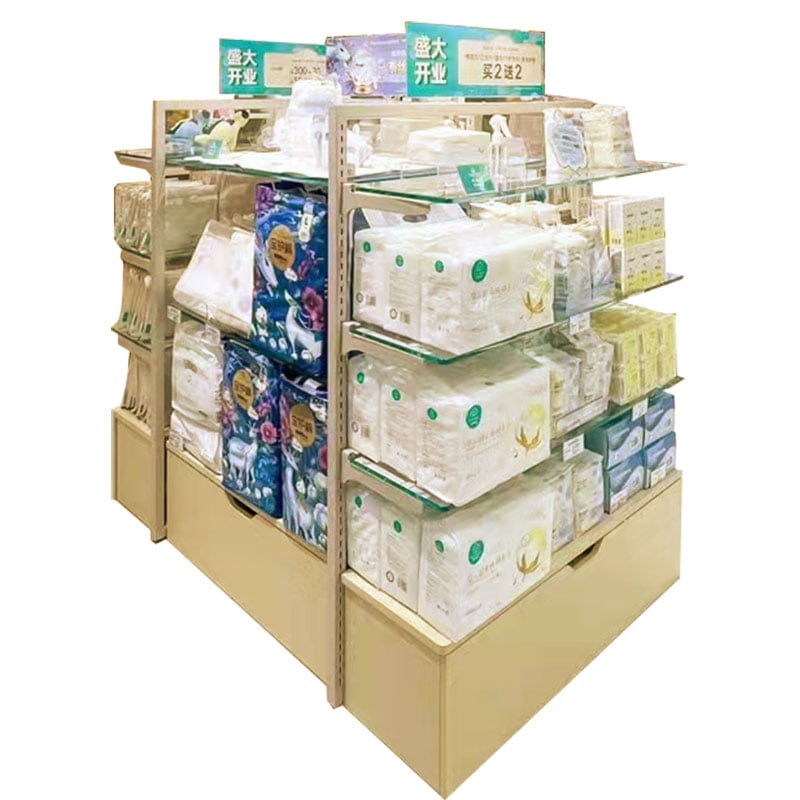
Every retail showcase design decision involves multiple considerations that extend beyond simple visual preferences. Store owners must evaluate how their chosen display systems will impact customer flow, merchandise presentation, maintenance requirements, and overall profitability. These decisions become even more critical in competitive retail environments where customer attention spans are limited and purchasing decisions are made within seconds of initial product exposure.
Cost Versus Quality Considerations
Initial Investment Requirements
The financial investment required for different retail showcase design options varies dramatically based on materials, craftsmanship, and intended longevity. Premium display solutions often command higher upfront costs but deliver superior durability and aesthetic appeal that can enhance brand perception significantly. Budget-conscious retailers may opt for more affordable alternatives, accepting potential limitations in build quality or design flexibility.
High-end retail showcase design systems typically incorporate premium materials such as tempered glass, solid wood, or specialized metals that resist wear and maintain their appearance over extended periods. These materials not only provide superior durability but also convey quality and sophistication to customers, potentially justifying higher product pricing and improving overall brand positioning.
Conversely, more economical display options may utilize composite materials, thinner glass, or standard hardware components that reduce initial costs but may require more frequent replacement or maintenance. Retailers must carefully evaluate whether the lower upfront investment aligns with their long-term operational goals and brand positioning strategies.
Long-term Value Assessment
The true cost of any retail showcase design becomes apparent only through extended use and operational experience. Higher-quality displays often provide better return on investment through reduced maintenance requirements, enhanced product presentation capabilities, and improved customer engagement metrics. These factors can directly impact sales performance and operational efficiency over time.
Durability considerations become particularly important in high-traffic retail environments where displays experience constant interaction from customers and staff. Premium retail showcase design solutions often incorporate reinforced construction, superior locking mechanisms, and scratch-resistant finishes that maintain their appearance and functionality despite heavy use.
Additionally, quality display systems typically offer better adaptability for seasonal merchandise changes, promotional campaigns, and store layout modifications. This flexibility can provide significant operational advantages and cost savings compared to rigid systems that require complete replacement when business needs evolve.
Aesthetic Appeal Versus Functionality Balance
Visual Impact Priorities
The visual impact of retail showcase design directly influences customer perceptions and purchasing behaviors, making aesthetic considerations crucial for retail success. Striking display designs can create memorable shopping experiences that encourage longer store visits and increased spending, but these benefits must be weighed against practical functionality requirements.
Contemporary retail showcase design trends emphasize clean lines, minimal visual clutter, and sophisticated lighting integration that enhances product presentation while maintaining broad appeal across diverse customer demographics. These design approaches often require specialized manufacturing techniques and premium materials that increase costs but deliver exceptional visual results.
However, overly elaborate or trendy display designs may limit versatility and become outdated quickly, requiring premature replacement to maintain a current appearance. Retailers must balance the desire for eye-catching displays with the need for timeless design elements that provide lasting value and broad product compatibility.
Practical Operational Requirements
Functional considerations in retail showcase design encompass accessibility, maintenance ease, security features, and staff operational efficiency. Displays that prioritize visual appeal without adequate attention to practical requirements often create operational challenges that increase labor costs and reduce overall effectiveness.
Essential functional elements include intuitive locking systems, easy-access panels for merchandise changes, appropriate lighting integration, and sufficient storage capacity for diverse product types. The best retail showcase design solutions seamlessly integrate these practical requirements with aesthetic goals, creating systems that perform exceptionally while maintaining visual appeal.
Staff training requirements and ongoing maintenance needs should also factor into functionality assessments. Complex display systems may offer superior features but require extensive training and specialized maintenance procedures that increase operational overhead and potential for user errors.
Space Utilization and Layout Constraints
Floor Space Optimization
Effective retail showcase design must maximize product display capacity while maintaining comfortable customer navigation paths and complying with safety regulations. Different display configurations offer varying space utilization efficiencies, requiring careful analysis of available floor area and intended merchandise types.
Island display configurations provide excellent visibility from multiple angles and can accommodate high-traffic areas effectively, but require substantial floor space allocation that may not suit smaller retail environments. Wall-mounted systems maximize floor space but limit viewing angles and may reduce visual impact compared to freestanding alternatives.
The retail showcase design selection process must also consider future expansion possibilities and seasonal merchandise variations that may require additional display capacity or different configuration options.
Traffic Flow Management
Customer movement patterns significantly influence retail showcase design effectiveness and overall shopping experience quality. Display placement and configuration directly impact how customers navigate the space, interact with products, and progress through their purchasing journey.
Strategic display positioning can guide customer traffic toward featured products, create natural pause points for detailed examination, and facilitate smooth transitions between different merchandise categories. However, poor placement decisions can create bottlenecks, reduce visibility of key products, or discourage exploration of specific store areas.
Modern retail showcase design approaches often incorporate customer behavior research and traffic analysis data to optimize placement and configuration decisions. These insights help retailers balance product visibility goals with practical navigation requirements and safety considerations.
Maintenance and Operational Efficiency
Cleaning and Upkeep Requirements
Different retail showcase design materials and configurations require varying levels of maintenance attention, directly impacting operational costs and staff time allocation. Glass-intensive displays provide excellent product visibility but require frequent cleaning to maintain their pristine appearance, particularly in high-traffic environments.
Surface treatments, hardware finishes, and structural materials all influence maintenance requirements and long-term appearance retention. Retailers must evaluate whether their staff capabilities and maintenance budgets align with the upkeep demands of their preferred retail showcase design options.
Some display systems incorporate maintenance-friendly features such as removable glass panels, accessible lighting systems, and scratch-resistant finishes that reduce ongoing care requirements. These features may justify higher initial costs through reduced labor expenses and extended appearance life.
Adaptability and Reconfiguration Options
Retail environments constantly evolve with changing merchandise, seasonal promotions, and market trends, making display system adaptability a valuable operational asset. Modular retail showcase design solutions offer superior flexibility but may compromise on structural rigidity or aesthetic cohesion compared to fixed installations.
The ability to easily reconfigure displays for different product types, adjust shelving heights, or modify lighting arrangements can provide significant operational advantages and cost savings over time. However, these features typically require more complex hardware systems and may increase initial investment requirements.
Retailers must assess their likely future needs and operational flexibility requirements when evaluating trade-offs between adaptable and fixed retail showcase design options. The optimal choice depends on merchandise diversity, promotional frequency, and long-term business growth plans.
Security and Product Protection Features
Theft Prevention Capabilities
Security considerations play a crucial role in retail showcase design selection, particularly for high-value merchandise or theft-prone product categories. Different display systems offer varying levels of protection through locking mechanisms, visibility design, and structural security features.
Fully enclosed displays with sophisticated locking systems provide maximum security but may reduce customer interaction opportunities and create barriers to impulse purchasing. Open display formats encourage customer engagement but increase theft risk and may require additional security measures or staff supervision.
The optimal balance between security and accessibility varies significantly based on product value, theft risk assessment, and customer interaction requirements. Retailers must carefully evaluate their specific security needs when considering different retail showcase design alternatives.
Environmental Protection Elements
Product protection extends beyond security concerns to include environmental factors such as dust, moisture, UV exposure, and temperature fluctuations. Certain merchandise types require enclosed display systems that maintain controlled conditions, while others benefit from open presentation that encourages customer interaction.
Sealed display cases provide excellent environmental protection but may increase costs, reduce accessibility, and create viewing barriers that impact customer experience. Retailers must balance product protection requirements with presentation goals and operational convenience when evaluating retail showcase design options.
Climate-controlled displays offer superior product protection but require additional electrical infrastructure, maintenance procedures, and operational costs that may not justify the benefits for all merchandise types. These considerations become particularly important for temperature-sensitive or light-sensitive products that require specialized protection measures.
Brand Image and Customer Experience Impact
Brand Positioning Alignment
The selection of retail showcase design directly influences customer perceptions of brand quality, sophistication, and value proposition. Premium display systems can elevate brand positioning and justify higher pricing strategies, while budget alternatives may communicate cost-consciousness that appeals to price-sensitive customers.
Consistency in display quality and design aesthetic across multiple locations becomes crucial for chain retailers who must maintain brand recognition and quality expectations. This consistency requirement may limit design flexibility but provides valuable brand reinforcement benefits.
Luxury retailers often invest significantly in custom retail showcase design solutions that reinforce their premium positioning, while value-oriented retailers may prioritize functional efficiency over aesthetic sophistication. Neither approach is inherently superior, but alignment with brand strategy is essential for optimal results.
Customer Interaction Enhancement
Modern retail showcase design increasingly emphasizes customer interaction opportunities that encourage product engagement and emotional connection. Interactive features, accessible product sampling, and intuitive navigation design can significantly impact purchasing decisions and customer satisfaction levels.
However, interaction-friendly designs may compromise security, increase maintenance requirements, or reduce operational efficiency compared to more traditional display approaches. Retailers must carefully evaluate the trade-offs between customer engagement benefits and operational considerations when selecting display systems.
Technology integration in retail showcase design offers exciting possibilities for enhanced customer experiences through digital displays, interactive presentations, or smart inventory systems. These advanced features provide competitive advantages but require additional investment in hardware, software, and staff training that may not suit all retail environments.
FAQ
How do I determine the optimal balance between cost and quality in retail showcase design selection
The optimal balance depends on your specific business model, target customers, and long-term goals. Calculate total cost of ownership including maintenance, replacement frequency, and operational impact rather than focusing solely on initial purchase price. Premium displays often provide better long-term value through durability, enhanced sales performance, and reduced maintenance requirements, while budget options may suit temporary installations or cost-sensitive operations.
What security features should I prioritize when choosing retail showcase design for high-value merchandise
Prioritize locking mechanisms, structural integrity, visibility from staff positions, and integration with existing security systems. Consider tempered glass construction, reinforced frames, sophisticated lock systems, and alarm integration capabilities. Balance security requirements with customer accessibility needs, as overly restrictive displays may reduce sales opportunities and customer satisfaction levels.
How can I ensure my retail showcase design choice remains relevant as my business evolves
Select modular or adaptable systems that accommodate different product types, seasonal changes, and future expansion needs. Evaluate reconfiguration capabilities, component availability, and manufacturer support longevity. Consider timeless design elements over trendy features that may become outdated quickly, and ensure compatibility with standard retail fixtures and accessories for maximum flexibility.
What maintenance considerations should influence my retail showcase design decision
Evaluate cleaning requirements, component accessibility, repair complexity, and replacement part availability. Consider your staff capabilities, maintenance budget, and time constraints when comparing different materials and construction methods. Factor in long-term appearance retention, durability under normal use conditions, and the availability of professional maintenance services in your area to ensure sustainable operations.
Table of Contents
- Cost Versus Quality Considerations
- Aesthetic Appeal Versus Functionality Balance
- Space Utilization and Layout Constraints
- Maintenance and Operational Efficiency
- Security and Product Protection Features
- Brand Image and Customer Experience Impact
-
FAQ
- How do I determine the optimal balance between cost and quality in retail showcase design selection
- What security features should I prioritize when choosing retail showcase design for high-value merchandise
- How can I ensure my retail showcase design choice remains relevant as my business evolves
- What maintenance considerations should influence my retail showcase design decision