
 EN
EN



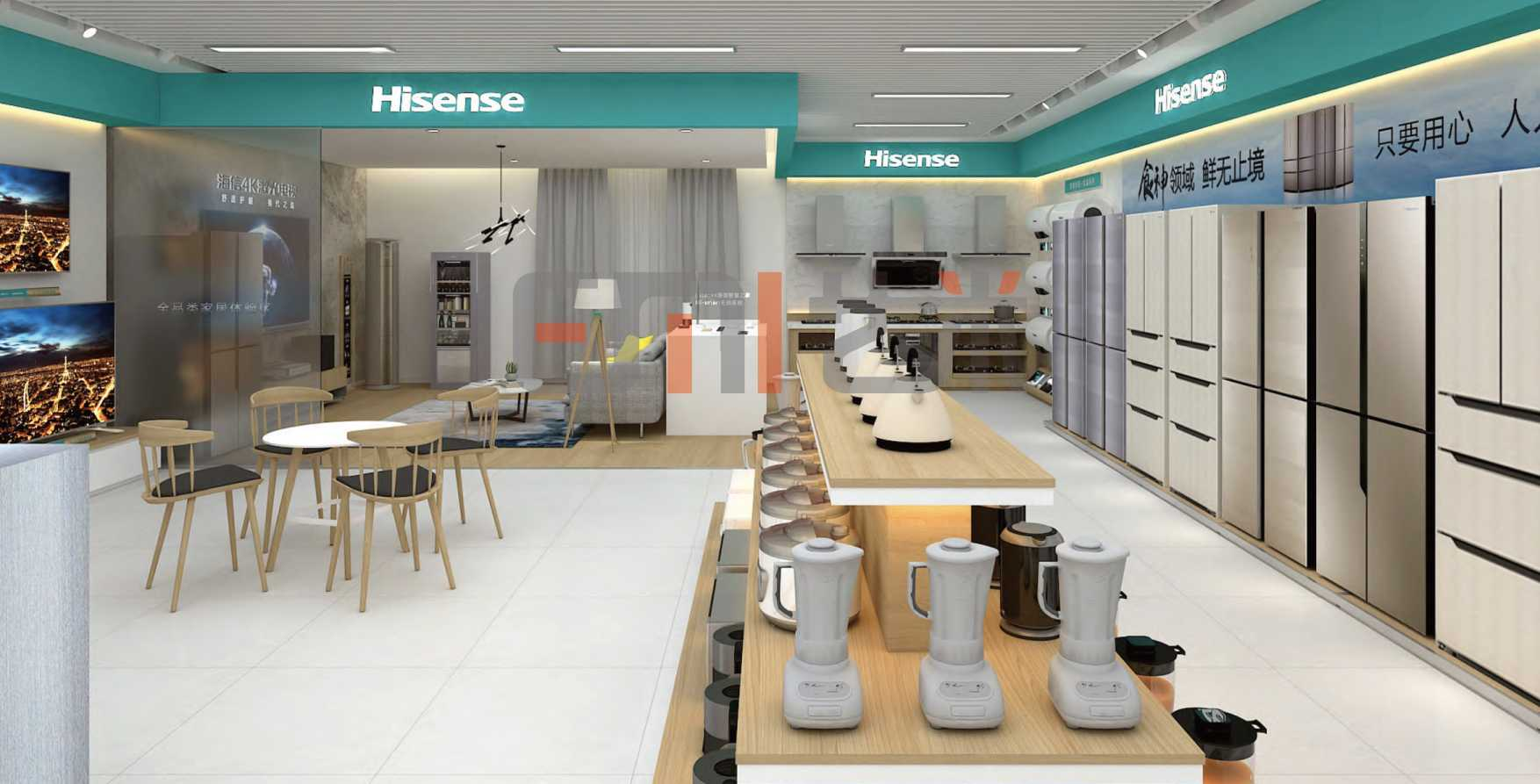
Modern retailers often invest heavily in product selection, marketing campaigns, and customer service training while overlooking a critical factor that directly impacts sales performance. Retail showcases serve as the silent ambassadors of your merchandise, yet many businesses fail to recognize how outdated or poorly designed display systems can significantly diminish product appeal and customer engagement. The strategic placement and presentation of products through effective retail showcases can mean the difference between a thriving business and one that struggles to meet sales targets, regardless of product quality or competitive pricing.
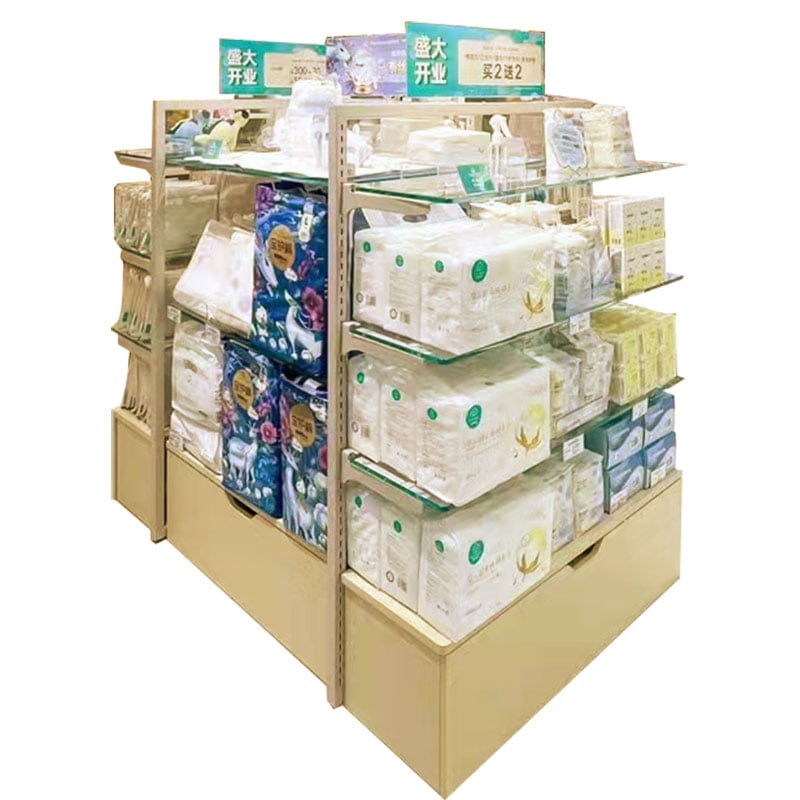
Hidden Performance Barriers in Traditional Display Systems
Inadequate Lighting Compromises Product Visibility
Traditional retail showcases frequently suffer from poor lighting solutions that create shadows, glare, or inconsistent illumination across displayed products. These lighting deficiencies prevent customers from accurately assessing product colors, textures, and quality details that influence purchasing decisions. Research indicates that products displayed under optimal lighting conditions experience up to 23% higher conversion rates compared to those in poorly lit environments.
The psychological impact of inadequate lighting extends beyond simple visibility concerns, as dim or harsh lighting can create negative emotional associations with products. Customers subconsciously associate poor presentation with inferior quality, leading them to question the value proposition of even premium merchandise. Modern LED lighting systems integrated into contemporary retail showcases address these challenges by providing consistent, adjustable illumination that enhances product appeal while reducing energy consumption.
Space Utilization Inefficiencies Reduce Product Exposure
Many retail environments feature display systems that fail to maximize available space effectively, resulting in overcrowded arrangements or underutilized areas that limit product exposure. Poor space management within retail showcases creates visual chaos that overwhelms customers and makes it difficult for them to focus on individual items. This confusion often leads to shorter browsing times and reduced purchase likelihood as customers struggle to process the overwhelming visual information.
Strategic space allocation within display systems requires careful consideration of sight lines, accessibility, and product hierarchy to guide customer attention naturally. Effective retail showcases incorporate principles of visual merchandising that create clear pathways for customer engagement while ensuring each product receives appropriate exposure time. The implementation of modular display components allows retailers to adapt their showcase configurations based on seasonal demands, promotional campaigns, or changing inventory requirements.
Customer Behavior Patterns and Display Psychology
Eye-Level Positioning Drives Purchase Decisions
Consumer psychology research consistently demonstrates that products positioned at eye level within retail showcases receive significantly more attention and generate higher sales volumes than items placed above or below the natural sight line. The strategic placement of high-margin or priority products at optimal viewing heights can increase their sales performance by up to 35% without any changes to pricing or promotional strategies.
Understanding customer traffic patterns and demographic characteristics helps retailers optimize product positioning within their display systems to maximize exposure for key merchandise. Retail showcases designed with adjustable shelving and flexible configuration options enable businesses to adapt their presentation strategies based on customer feedback and sales data analysis. This adaptability becomes particularly valuable during peak shopping seasons when customer behavior patterns may shift significantly.
Color Psychology Influences Brand Perception
The color schemes and materials used in retail showcases play a crucial role in shaping customer perceptions of product quality and brand positioning. Neutral backgrounds typically enhance product visibility by minimizing visual distractions, while strategic accent colors can direct attention to specific merchandise or create emotional connections with target demographics. The psychology of color in retail environments extends beyond aesthetic preferences to influence subconscious purchasing behaviors and brand loyalty development.
Professional retail showcases incorporate color psychology principles through carefully selected finishes, lighting temperatures, and complementary materials that enhance rather than compete with displayed products. The integration of brand colors and design elements within display systems creates cohesive shopping experiences that reinforce brand identity while maintaining focus on merchandise presentation. These subtle psychological influences can significantly impact customer dwell time and purchase conversion rates without requiring aggressive sales tactics or promotional discounting.
Technology Integration Challenges in Modern Retail
Digital Display Integration Complexities
Contemporary retail environments increasingly incorporate digital elements into their showcase designs, but many businesses struggle with the technical complexities of seamlessly integrating screens, sensors, and interactive features. Poor technology integration can create maintenance headaches, inconsistent user experiences, and distraction from core product presentations. Effective digital integration within retail showcases requires careful planning of power management, content delivery systems, and user interface design to enhance rather than complicate the shopping experience.
The challenge of maintaining technological components within retail showcases often leads businesses to abandon digital features over time, resulting in outdated or non-functional elements that detract from overall presentation quality. Successful technology integration requires ongoing support infrastructure and content management strategies that align with broader marketing objectives. Retailers must balance the appeal of cutting-edge features with practical considerations of reliability, cost-effectiveness, and long-term maintenance requirements.
Data Collection and Analytics Implementation
Modern retail showcases can incorporate sophisticated sensors and tracking systems that provide valuable insights into customer behavior patterns, product interaction rates, and display effectiveness metrics. However, many retailers struggle to effectively utilize this data or lack the infrastructure necessary to process and act upon the information collected. The gap between data collection capabilities and actionable insights often renders expensive analytics systems ineffective for improving display performance.
Implementing comprehensive analytics systems within retail showcases requires integration with existing point-of-sale systems, inventory management platforms, and customer relationship management tools. The complexity of these integrations often overwhelms smaller retailers who lack dedicated technical resources, leading to underutilized display capabilities. Successful analytics implementation focuses on identifying key performance indicators that directly correlate with sales outcomes and customer satisfaction metrics rather than collecting data for its own sake.
Cost-Effectiveness Analysis of Display Upgrades
Return on Investment Calculations for Display Improvements
Evaluating the financial impact of upgrading retail showcases requires comprehensive analysis that extends beyond initial purchase costs to include installation, maintenance, and operational considerations. Many businesses underestimate the long-term savings associated with energy-efficient lighting systems, durable materials, and modular components that adapt to changing needs without requiring complete replacement. The calculation of return on investment for display improvements must factor in increased sales volumes, reduced maintenance costs, and enhanced brand perception value.
Historical sales data analysis before and after display upgrades provides concrete evidence of performance improvements attributable to enhanced presentation systems. Retail showcases that incorporate modern design principles and customer-focused features typically generate measurable increases in customer engagement metrics, including dwell time, interaction rates, and conversion percentages. These improvements translate directly into revenue growth that often justifies the initial investment within 18 to 24 months of implementation.
Long-Term Maintenance and Operational Costs
The total cost of ownership for retail showcases extends far beyond initial purchase prices to encompass ongoing maintenance, cleaning, repairs, and eventual replacement considerations. Traditional display systems often require frequent maintenance due to outdated materials, inefficient lighting systems, or structural limitations that lead to premature wear and deterioration. Modern retail showcases designed with durability and maintenance efficiency in mind can significantly reduce operational costs while maintaining consistent presentation quality over extended periods.
Energy consumption represents a significant ongoing expense for retail display systems, particularly those utilizing older lighting technologies or inefficient design configurations. LED lighting integration within contemporary retail showcases can reduce energy costs by up to 75% compared to traditional fluorescent or halogen systems while providing superior illumination quality. The environmental benefits of energy-efficient display systems also align with corporate sustainability initiatives that increasingly influence consumer preferences and brand loyalty.
Industry-Specific Display Requirements and Solutions
Fashion and Apparel Presentation Challenges
Fashion retailers face unique challenges in presenting merchandise through retail showcases, as clothing and accessories require specialized support systems, appropriate spacing, and lighting that accurately represents colors and textures. The seasonal nature of fashion inventory demands flexible display solutions that can accommodate varying product sizes, styles, and presentation requirements throughout the year. Traditional rigid display systems often fail to adapt effectively to these changing needs, resulting in compromised product presentation during critical selling periods.
Successful fashion retail showcases incorporate adjustable components, specialized hangers, and lighting systems that complement rather than compete with merchandise presentation. The integration of mirrors, fitting room proximity, and accessory coordination areas within display systems creates comprehensive shopping experiences that encourage multiple item purchases and higher transaction values. These specialized considerations require careful planning and investment in display systems designed specifically for fashion retail environments.
Electronics and Technology Product Displays
Electronics retailers must address unique security, power management, and demonstration requirements when designing effective retail showcases for technology products. The need to provide hands-on interaction opportunities while maintaining product security creates complex design challenges that traditional display systems often fail to address adequately. Interactive demonstration capabilities within retail showcases can significantly influence purchase decisions for technology products, as customers prefer to experience functionality before making substantial investments.
Modern electronics retail showcases incorporate cable management systems, power distribution, and security features that enable comprehensive product demonstrations while maintaining clean, professional appearances. The integration of charging stations, wireless connectivity, and multimedia presentation capabilities within display systems creates immersive experiences that differentiate retailers from online competitors. These technological considerations require specialized expertise and ongoing support infrastructure that many retailers struggle to implement effectively.
FAQ
How often should retail showcases be updated or replaced
The replacement cycle for retail showcases depends on several factors including build quality, maintenance practices, and changing business requirements. High-quality display systems with durable construction and modular components can serve effectively for 7 to 10 years with proper maintenance, while budget systems may require replacement within 3 to 5 years. Regular assessment of display performance, customer feedback, and sales data helps determine optimal replacement timing. Signs that indicate the need for showcase updates include declining sales performance, increased maintenance costs, customer complaints about product visibility, or significant changes in product lines that require different display configurations.
What lighting specifications work best for product display
Optimal lighting for retail showcases typically requires color temperatures between 3000K and 4000K to provide natural color representation without creating harsh glare or unflattering shadows. LED lighting systems offer superior energy efficiency and longevity compared to traditional options while providing consistent illumination levels throughout their operational life. The recommended illumination level ranges from 150 to 300 lux depending on product types, with jewelry and fine details requiring higher levels than clothing or large items. Adjustable lighting controls allow retailers to modify illumination based on time of day, seasonal changes, or special promotional requirements.
Can existing display systems be upgraded rather than replaced
Many existing retail showcases can be effectively upgraded through strategic modifications including LED lighting retrofits, new shelving configurations, digital integration, or enhanced security features. The feasibility of upgrades depends on the structural integrity of existing systems and compatibility with modern components. Cost-effective upgrade options include replacing lighting systems, adding adjustable shelving, installing new signage capabilities, or incorporating technology features like sensors or interactive displays. Professional assessment of existing display infrastructure helps determine whether upgrades provide better value than complete replacement based on current condition and future requirements.
How do retail showcases impact customer shopping behavior
Well-designed retail showcases significantly influence customer shopping patterns by directing attention, creating emotional connections, and facilitating product evaluation processes. Research indicates that effective display systems can increase dwell time by up to 40% and improve conversion rates by 25% compared to poor presentation environments. Strategic product placement within retail showcases guides customer traffic flow and encourages exploration of additional merchandise categories. The psychological impact of professional presentation creates positive brand associations and increases customer confidence in product quality, leading to higher average transaction values and improved customer satisfaction scores.