
 EN
EN



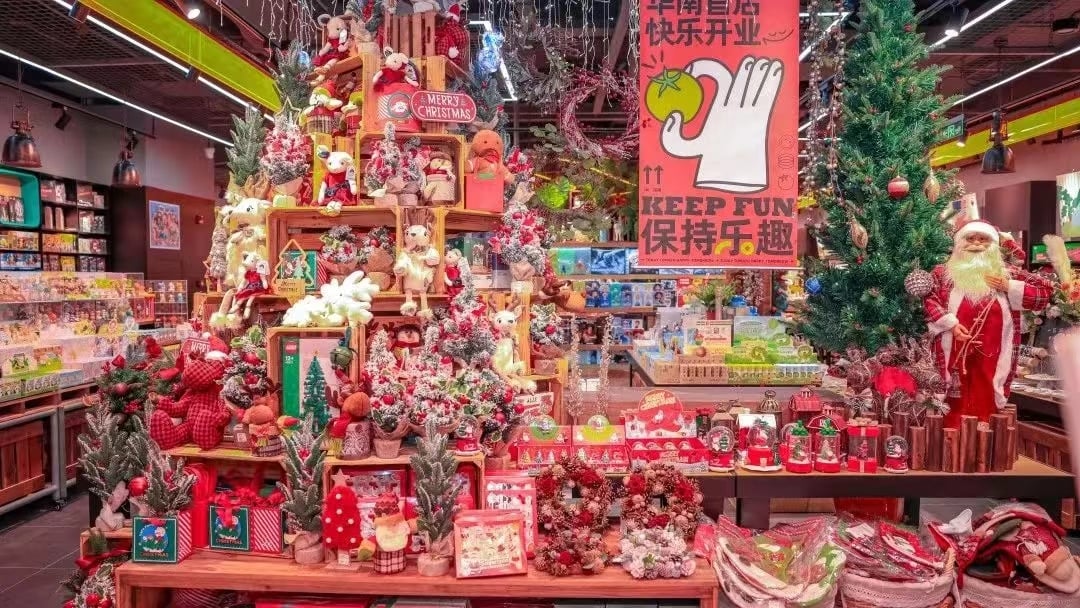
L'efficacité d'un présentoir d'extrémité dans les environnements de vente au détail modernes dépend d'une combinaison soigneusement orchestrée d'éléments de conception qui attirent l'attention des clients, facilitent l'interaction avec le produit et influencent les décisions d'achat. Contrairement aux emplacements traditionnels sur les étagères, un présentoir d'extrémité occupe les points d'intersection à fort trafic des allées commerciales, ce qui rend les caractéristiques de conception stratégiques absolument essentielles pour maximiser les taux de conversion. Comprendre quelles caractéristiques spécifiques de conception distinguent les présentoirs d'extrémité performants des présentoirs médiocres exige une analyse de la psychologie du comportement des acheteurs, des principes de visibilité et des considérations pratiques en matière de merchandising qui influencent l'intention d'achat.
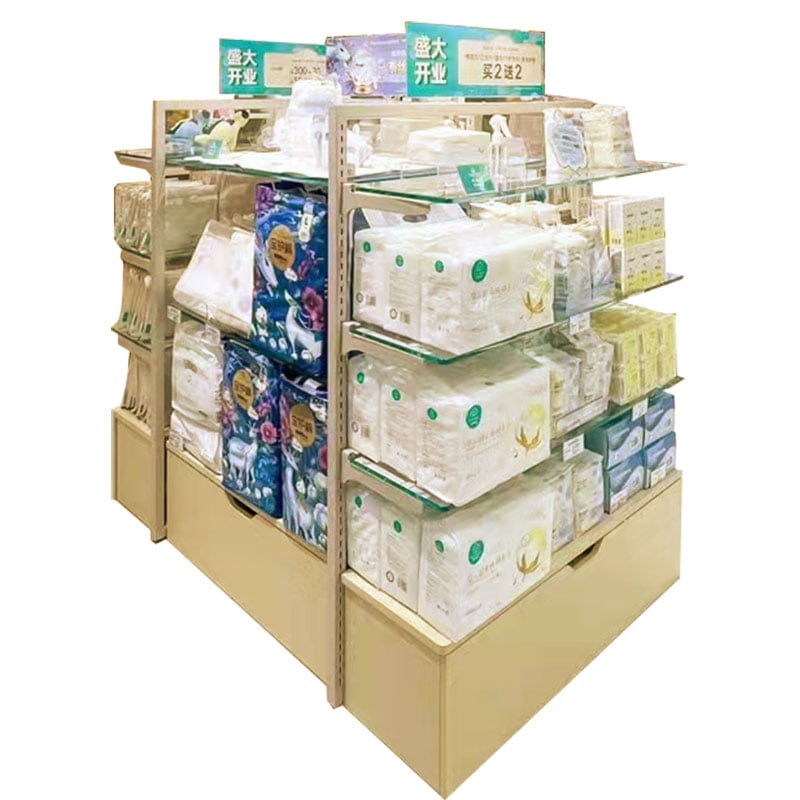
Les études de marché en vente au détail démontrent systématiquement que des présentoirs d’extrémité correctement conçus peuvent augmenter les ventes de produits de 300 à 400 % par rapport à leur positionnement standard sur les étagères, ce qui fait de l’optimisation de la conception un levier essentiel de revenus pour les détaillants modernes. Le défi réside dans l’identification des caractéristiques visuelles, structurelles et fonctionnelles spécifiques qui génèrent cette différence de performance marquée. Une conception efficace de présentoirs d’extrémité doit simultanément répondre à plusieurs priorités concurrentes, notamment une visibilité maximale des produits, une utilisation efficace de l’espace, une clarté du message de marque et une intégration fluide dans l’esthétique existante du magasin, tout en respectant les exigences de production et d’installation économiques.
Impact visuel et éléments de conception attirant l’attention
Psychologie stratégique des couleurs et cohérence de la marque
La palette de couleurs d’un présentoir en bout d’allée efficace constitue le principal élément visuel qui détermine si les clients remarquent ce présentoir dans les premières secondes cruciales suivant leur approche. Les présentoirs en bout d’allée les plus performants utilisent des combinaisons de couleurs contrastées qui créent immédiatement une séparation visuelle par rapport aux marchandises environnantes, tout en préservant la cohérence de la marque afin de renforcer la reconnaissance du produit. Les conceptions de présentoirs en bout d’allée les plus réussies mettent en avant une couleur dominante de la marque couvrant environ 60 % de la surface visible, complétée par des couleurs d’accent à fort contraste qui attirent l’attention sur les caractéristiques clés du produit ou sur les messages promotionnels, sans toutefois submerger l’ensemble de l’esthétique.
La température de couleur joue un rôle tout aussi important dans l’efficacité des présentoirs en bout d’allée : les teintes chaudes, comme les rouges, les oranges et les jaunes, créent un sentiment d’urgence et encouragent les achats impulsifs, tandis que les teintes froides, comme les bleus et les verts, suggèrent fiabilité et qualité pour les décisions d’achat réfléchies. Le positionnement stratégique des blocs de couleur au sein de la structure du présentoir en bout d’allée oriente le regard du client selon une hiérarchie visuelle délibérée, qui conduit progressivement de la capture initiale de l’attention à l’examen des produits, puis aux points décisifs d’achat. Les présentoirs en bout d’allée efficaces évitent les conflits chromatiques avec les présentoirs voisins tout en assurant un contraste suffisant pour garantir leur visibilité sous les différentes conditions d’éclairage du magasin, quel que soit le moment de la journée.
Typographie et hiérarchie des messages
La sélection de la typographie et la hiérarchie des messages dans la conception d’un présentoir en bout d’allée influencent directement la vitesse de compréhension du client et sa motivation à l’achat ; des études montrent que les clients passent en moyenne seulement 3 à 7 secondes à examiner chaque présentoir individuel. Les conceptions de présentoirs en bout d’allée les plus efficaces utilisent une hiérarchie claire en trois niveaux : un titre principal visible à une distance de 15 à 20 pieds, des avantages secondaires du produit lisibles à 8 à 10 pieds, et des informations détaillées accessibles lors de l’examen rapproché. La sélection des polices doit concilier lisibilité et personnalité de la marque : on utilise généralement des polices sans serif pour les titres afin d’assurer une lisibilité optimale sous l’éclairage commercial, tandis que les messages complémentaires emploient une typographie cohérente avec l’identité visuelle de la marque.
Le contenu des messages affichés sur les présentoirs latéraux réussis met l’accent sur les propositions de valeur immédiates plutôt que sur des descriptions détaillées des produits ; les présentoirs les plus efficaces communiquent les principaux avantages à l’aide de trois mots ou moins dans leur message principal. Le positionnement physique des éléments textuels suit les schémas établis de suivi oculaire, plaçant l’information la plus importante dans le tiers supérieur de l’affichage, là où l’attention initiale du client se porte naturellement. La typographie efficace des présentoirs latéraux tient également compte des angles de vision depuis plusieurs directions d’approche, garantissant ainsi la clarté du message pour les clients venant des allées perpendiculaires aussi bien que pour ceux approchant frontalement.
Conception structurelle pour l’accessibilité et la visibilité des produits
Configuration optimale de la hauteur et lignes de vue
La configuration en hauteur d’un présentoir latéral détermine fondamentalement l’accessibilité des produits et les taux d’interaction des clients, les conceptions optimales tenant compte des zones naturelles d’atteinte et des lignes de vision des diverses catégories de clients. Des études montrent que les produits placés entre 76 et 137 cm du sol obtiennent les taux d’interaction les plus élevés, correspondant à la zone d’atteinte confortable pour des adultes mesurant entre 1,57 m et 1,88 m. Une affichage sur panneau d'extrémité présentation efficace intègre plusieurs niveaux d’exposition au sein de cette zone optimale, tout en veillant à ce que les produits haut de gamme ou mis en avant occupent la fourchette privilégiée de 102 à 122 cm, correspondant à la hauteur des yeux, où l’attention des clients se concentre naturellement lors d’une navigation informelle.
L'optimisation de la ligne de vision nécessite une attention particulière portée aux perspectives des clients approchant l'offre depuis plusieurs directions ; des présentoirs d'extrémité efficaces assurent une visibilité claire des produits depuis au moins trois angles d'approche différents. Les conceptions les plus réussies intègrent des étagères inclinées ou des structures de présentation à plusieurs niveaux, qui empêchent les produits de se masquer mutuellement tout en conservant une densité suffisante pour suggérer variété et choix. La variation de hauteur au sein de la structure du présentoir d'extrémité crée de l'intérêt visuel et des parcours naturels de navigation : les éléments les plus hauts servent de points focaux attirant l'attention, tandis que les sections plus basses facilitent l'examen détaillé des produits.
Optimisation de l'utilisation de l'espace et équilibre de la densité des produits
Une conception efficace d’affichage en tête de rayon exige un équilibre précis entre la densité des produits et l’espace visuel nécessaire à leur mise en valeur : un affichage surchargé réduit la visibilité individuelle des produits, tandis qu’un agencement trop clairse peut suggérer une gamme limitée ou des problèmes de stock. La densité optimale de produits pour les affichages en tête de rayon se situe généralement entre 12 et 18 présentations distinctes par pied carré (0,093 m²) de surface d’affichage, offrant ainsi une variété suffisante de choix tout en préservant des lignes de vision claires vers chaque article. Un espacement stratégique entre les groupes de produits crée des parcours naturels de navigation et évite la paralysie décisionnelle qui survient lorsque les clients sont confrontés simultanément à trop d’options.
L’allocation de l’espace au sein des présentoirs d’extrémité doit suivre la règle 60-30-10 : 60 % de l’espace disponible est consacré aux produits principaux, 30 % aux articles complémentaires et 10 % au matériel promotionnel ou aux éléments de marque. Cette répartition garantit une mise en avant des produits clés générateurs de revenus, tout en offrant des opportunités de vente croisée et en renforçant la notoriété de la marque. Des présentoirs d’extrémité efficaces intègrent également stratégiquement des espaces négatifs, c’est-à-dire des zones vides utilisées pour créer une séparation visuelle entre les catégories de produits et mettre en valeur les articles phares grâce à des effets d’isolement qui attirent l’attention sur des produits spécifiques ou des offres promotionnelles.
Éléments interactifs et fonctionnalités d’engagement client
Interaction tactile et intégration d’échantillons produits
La conception moderne des présentoirs latéraux intègre de plus en plus d’éléments d’interaction tactile qui incitent le client à s’engager au-delà d’un simple examen visuel, car il est reconnu que l’interaction physique avec les produits ou les composants du présentoir augmente sensiblement la probabilité d’achat. Parmi les caractéristiques tactiles efficaces figurent des surfaces texturées qui traduisent les qualités du produit, des échantillons interactifs permettant d’évaluer la qualité, ainsi que des éléments mobiles du présentoir qui favorisent l’engagement par la manipulation. L’intégration d’éléments tactiles doit concilier accessibilité et sécurité des produits, afin que les possibilités d’interaction améliorent — et non compliquent — l’expérience d’achat.
L'intégration d'échantillons de produits dans les présentoirs latéraux exige une réflexion minutieuse afin de respecter les normes d'hygiène tout en facilitant une évaluation significative des produits. Les mises en œuvre les plus réussies intègrent des zones dédiées aux échantillons, dotées de structures de confinement et de présentation adaptées, qui protègent l'intégrité des produits tout en encourageant leur essai. Les éléments interactifs doivent s'aligner sur les comportements d'achat naturels : les composants tactiles doivent être positionnés à des hauteurs et des angles confortables, offrant une sensation intuitive plutôt que forcée ou maladroite pendant les activités de navigation habituelles.
Intégration numérique et amélioration technologique
L'intégration de la technologie dans les présentoirs modernes en fin d'allée va de simples éclairages LED accentués à des écrans numériques sophistiqués affichant des informations sur les produits, des démonstrations ou du contenu promotionnel. Des éléments numériques efficaces renforcent, sans toutefois submerger, la présentation physique des produits ; les mises en œuvre réussies utilisent la technologie pour fournir des informations indisponibles via des présentations statiques, telles que des démonstrations d'utilisation, des données comparatives ou des témoignages de clients. L'emplacement et les dimensions des composants numériques doivent tenir compte des schémas d'attention des acheteurs, en évitant toute concurrence avec les produits réels tout en offrant des informations à valeur ajoutée qui soutiennent la prise de décision d'achat.
La gestion de l'alimentation et la fiabilité technique deviennent des considérations critiques pour les présentoirs numériques améliorés, nécessitant des solutions de conception permettant d’intégrer les raccordements électriques sans nuire à l’esthétique du présentoir ni créer de risques pour la sécurité. Les intégrations numériques les plus efficaces utilisent des composants à faible consommation d’énergie et nécessitant un entretien minimal, garantissant ainsi des performances constantes tout au long de périodes prolongées de déploiement en environnement de vente au détail. Les fonctionnalités technologiques doivent inclure des capacités de mise à jour facile du contenu, permettant aux détaillants de modifier les messages promotionnels, les informations produits ou les contenus saisonniers sans devoir reconstruire le présentoir ni faire appel à un support technique spécialisé.
Intégration de la marque et cohérence esthétique
Expression cohérente de l’identité de marque
Une conception réussie d’affichage en fin d’allée intègre de manière fluide les éléments de l’identité de la marque tout en restant compatible avec des environnements de vente au détail variés, garantissant ainsi une expression de la marque cohérente dans différents formats de magasin et contextes concurrentiels. L’intégration de la marque va bien au-delà d’un simple positionnement du logo : elle implique une cohérence globale du langage design, englobant les gammes de couleurs, les choix typographiques, les sélections de matériaux et la philosophie esthétique générale, renforçant ainsi la reconnaissance et la différenciation de la marque. Le défi consiste à exprimer l’identité de la marque suffisamment fortement pour susciter reconnaissance et préférence, tout en évitant les éléments de conception qui entreraient en conflit avec les exigences esthétiques du détaillant ou avec la proximité de concurrents.
La sélection des matériaux pour les présentoirs d’extrémité véhicule les valeurs de la marque grâce à des indices de qualité tactiles et visuels : les marques haut de gamme exigent des matériaux évoquant la robustesse et le raffinement, tandis que les marques axées sur la valeur profitent de matériaux qui traduisent l’efficacité et le caractère pratique. L’intégration des éléments de marque doit suivre les lignes directrices établies en matière de hiérarchie de marque, afin de garantir une identification claire de la marque sans nuire à la présentation du produit ni créer une concurrence visuelle entre la signalétique de marque et les articles exposés. Une intégration efficace de la marque tient également compte de la flexibilité nécessaire à l’évolution à long terme de celle-ci, en incorporant des éléments de conception capables d’absorber des mises à jour futures de la marque sans nécessiter le remplacement complet des présentoirs.
Intégration dans l’environnement du détaillant
Les conceptions d’affichages en fin d’allée doivent s’harmoniser avec l’esthétique existante du détaillant tout en préservant la spécificité de la marque, ce qui exige un équilibre soigneux entre l’expression de la marque et la compatibilité avec l’environnement. Une intégration réussie prend en compte des facteurs tels que les caractéristiques de l’éclairage du magasin, les styles des équipements environnants, les matériaux utilisés pour le sol et la philosophie globale de conception du magasin, afin de garantir que les affichages en fin d’allée rehaussent l’environnement d’achat plutôt que de le perturber. Les conceptions les plus efficaces intègrent des éléments modulaires permettant une personnalisation selon les exigences spécifiques de chaque détaillant, tout en assurant une cohérence fondamentale de la marque dans des contextes de vente au détail variés.
L'intégration environnementale englobe également des considérations pratiques, notamment les protocoles de nettoyage, les exigences d'entretien et les capacités d'adaptation saisonnière, qui s'alignent sur les procédures opérationnelles des détaillants. Des présentoirs en fin d’allée efficaces anticipent les préoccupations des détaillants concernant la complexité de l’installation, les besoins d’entretien continu et la flexibilité de la mise en rayon saisonnière, en intégrant des caractéristiques de conception qui simplifient ces défis opérationnels. L’intégration de systèmes de fixation standardisés, de composants facilement remplaçables et de procédures d’assemblage intuitives réduit la résistance des détaillants tout en garantissant une mise en œuvre cohérente des présentoirs sur plusieurs sites.
Fonctionnalités de mesure et d'optimisation des performances
Capacités analytiques et de suivi intégrées
La conception moderne des présentoirs latéraux intègre de plus en plus des fonctionnalités de mesure permettant le suivi des performances et leur optimisation, car il est reconnu que l’amélioration fondée sur les données améliore significativement l’efficacité à long terme. Les fonctions d’analyse intégrées vont de simples compteurs de passage à des systèmes sophistiqués de suivi des interactions, qui mesurent les schémas d’engagement des clients, les temps de stationnement et les taux de conversion. Ces capacités de mesure fournissent des retours précieux tant aux responsables de marques qu’aux détaillants, leur permettant de prendre des décisions fondées sur des preuves concernant les modifications apportées aux présentoirs, les ajustements de la disposition des produits et l’affinement des stratégies promotionnelles.
L'intégration de la technologie de suivi exige une réflexion minutieuse en matière de conception afin de préserver la vie privée des clients tout en collectant des données de performance exploitables ; les mises en œuvre réussies reposent sur une mesure anonyme des interactions, fournissant des informations pertinentes sans compromettre les attentes des individus en matière de confidentialité. Les systèmes de mesure efficaces tiennent également compte des exigences d'accessibilité et d'interprétation des données, en intégrant des interfaces de reporting conviviales qui permettent aux utilisateurs non techniques de comprendre les tendances de performance et d'identifier les opportunités d'optimisation. La conception doit s'adapter à diverses technologies de mesure tout en préservant l'intégrité esthétique et en évitant toute complexité technique qui compliquerait le déploiement ou la maintenance des affichages.
Adaptation modulaire et flexibilité saisonnière
Les présentoirs efficaces avec panneaux de finition intègrent des éléments de conception modulaires qui permettent l’adaptation saisonnière, la mise à jour des opérations promotionnelles et les modifications de la gamme de produits, sans nécessiter le remplacement complet du présentoir, ce qui maximise le retour sur investissement à long terme tout en conservant une apparence fraîche pendant des périodes de déploiement prolongées. Les composants modulaires comprennent généralement des panneaux graphiques interchangeables, des systèmes d’étagères réglables, des éléments promotionnels amovibles et des configurations d’éclairage adaptables, conçus pour répondre aux exigences changeantes de la marchandise et aux stratégies marketing saisonnières. La conception des systèmes modulaires doit concilier souplesse et intégrité structurelle, afin que les modifications des composants préservent à la fois la stabilité du présentoir et sa cohérence esthétique.
La flexibilité saisonnière va au-delà de simples mises à jour graphiques pour inclure des modifications structurelles permettant d’adapter les présentoirs aux différentes tailles de produits, aux catégories de marchandises saisonnières et aux niveaux variables de stock tout au long du calendrier commercial. Des conceptions modulaires efficaces anticipent les besoins saisonniers courants, tels que les promotions festives, les campagnes de rentrée scolaire et les transitions saisonnières de produits, en intégrant des mécanismes de réglage qui permettent ces adaptations sans outils spécialisés ni main-d’œuvre importante. La modularité doit également prendre en compte les besoins de stockage des éléments saisonniers, afin que les composants non utilisés puissent être entreposés efficacement et récupérés facilement lors des prochaines campagnes ou activités promotionnelles.
FAQ
Quels sont les éléments de conception les plus critiques déterminant l’efficacité des présentoirs en bout d’allée ?
Les éléments de conception les plus critiques comprennent un contraste coloré stratégique pour capter l’attention, une hauteur optimale comprise entre 30 et 54 pouces pour assurer l’accessibilité, une hiérarchie typographique claire afin de permettre une compréhension rapide du message, ainsi qu’une densité équilibrée des produits offrant un choix sans submerger les clients. Ces éléments agissent conjointement pour créer des présentoirs qui arrêtent les clients, communiquent efficacement les propositions de valeur et facilitent une interaction simple avec les produits, conduisant ainsi à des décisions d’achat.
En quoi la conception des présentoirs d’extrémité de rayon diffère-t-elle des exigences traditionnelles en matière de merchandising sur étagères ?
Les présentoirs d'extrémité nécessitent une prise en compte de la visibilité à 360 degrés, car les clients s'en approchent depuis plusieurs directions, requièrent des éléments plus percutants pour capter l'attention en raison d'une concurrence accrue liée au flux de passage, et doivent transmettre leurs messages clés en 3 à 7 secondes suivant le premier contact. Contrairement à la présentation sur rayonnage, les conceptions de présentoirs d'extrémité doivent également s'intégrer parfaitement au flux de circulation des clients dans le magasin, tout en optimisant l'accessibilité aux produits depuis divers angles et hauteurs d'approche.
Quel rôle joue la technologie dans l'efficacité actuelle de la conception des présentoirs d'extrémité ?
La technologie améliore l'efficacité des présentoirs d'extrémité grâce à un éclairage LED qui renforce la visibilité des produits, à des écrans numériques affichant des démonstrations de produits ou des informations comparatives, et à des systèmes d'analyse suivant les schémas d'engagement des clients afin d'optimiser la présentation. Toutefois, l'intégration technologique doit soutenir, et non concurrencer, la présentation physique des produits, ce qui exige un équilibre soigneux entre l'amélioration numérique et les objectifs fondamentaux de la marchandisation, tout en préservant la fiabilité et la facilité de maintenance.
Comment les présentoirs d'extrémité peuvent-ils concilier l'expression de la marque avec les exigences de l'environnement du détaillant ?
Des présentoirs en fin d’allée réussis atteignent un équilibre grâce à des éléments de marque modulaires qui préservent la cohérence identitaire tout en s’adaptant aux différentes esthétiques commerciales, à des choix de matériaux qui traduisent les valeurs de la marque sans entrer en conflit avec le design du magasin, et à des systèmes de fixation flexibles capables de répondre aux diverses exigences des équipements utilisés par les détaillants. L’enjeu principal consiste à renforcer la reconnaissance de la marque par le biais d’un langage design plutôt que par une surcharge d’éléments marqués qui risquerait de heurter les préférences des détaillants ou de poser des problèmes concurrentiels.
Table des matières
- Impact visuel et éléments de conception attirant l’attention
- Conception structurelle pour l’accessibilité et la visibilité des produits
- Éléments interactifs et fonctionnalités d’engagement client
- Intégration de la marque et cohérence esthétique
- Fonctionnalités de mesure et d'optimisation des performances
-
FAQ
- Quels sont les éléments de conception les plus critiques déterminant l’efficacité des présentoirs en bout d’allée ?
- En quoi la conception des présentoirs d’extrémité de rayon diffère-t-elle des exigences traditionnelles en matière de merchandising sur étagères ?
- Quel rôle joue la technologie dans l'efficacité actuelle de la conception des présentoirs d'extrémité ?
- Comment les présentoirs d'extrémité peuvent-ils concilier l'expression de la marque avec les exigences de l'environnement du détaillant ?