
 EN
EN



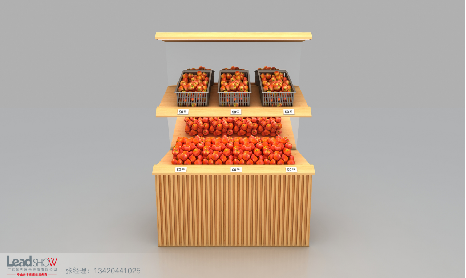
Modern retail environments rely heavily on strategic product placement and visual merchandising to drive customer engagement and sales performance. However, many store owners remain unaware that poorly designed shelving configurations can silently erode their revenue potential. The impact of suboptimal gondola display arrangements extends far beyond simple aesthetics, affecting customer flow patterns, product visibility, and ultimately the bottom line of retail operations.
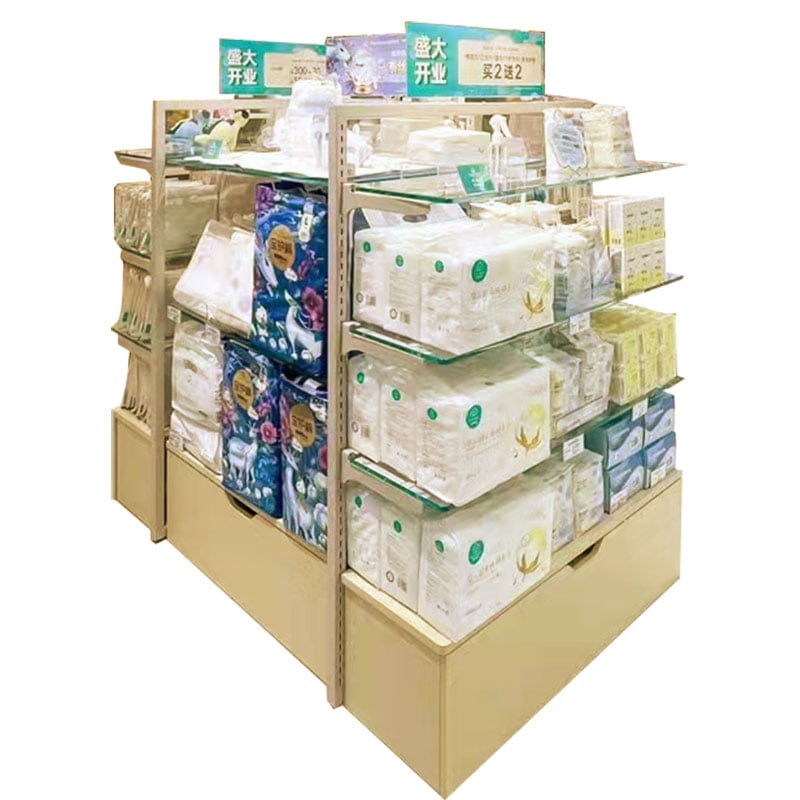
The Hidden Psychology Behind Gondola Display Effectiveness
Customer Navigation Patterns and Visual Processing
Retail psychology research demonstrates that customers process visual information within milliseconds of entering a store environment. The arrangement of gondola display units directly influences these subconscious decision-making processes. When shelving layouts create visual barriers or confusing pathways, customers experience cognitive overload that reduces their willingness to explore products thoroughly. This phenomenon occurs without obvious warning signs, making it particularly dangerous for store profitability.
Strategic gondola display positioning leverages natural eye movement patterns to guide customers through predetermined shopping journeys. Professional retailers understand that the human visual field processes information from left to right and top to bottom in predictable sequences. Gondola units that disrupt these natural scanning behaviors create friction points that discourage impulse purchases and reduce overall basket values across shopping sessions.
The Science of Spatial Comfort in Retail Environments
Anthropological studies reveal that customers require specific spatial dimensions to feel comfortable while shopping. Gondola display configurations that fail to account for these psychological comfort zones create subconscious stress responses that accelerate customer departure rates. The optimal aisle width between gondola units measures between eight and twelve feet, allowing customers to navigate comfortably while accommodating shopping carts and social distancing preferences.
Temperature perception also changes based on gondola display density within retail spaces. Overcrowded shelving arrangements create psychological warmth that makes customers feel rushed and uncomfortable. This thermal perception effect occurs independently of actual ambient temperature, demonstrating how physical layouts influence physiological responses that directly impact purchasing decisions and dwell time metrics.
Revenue Impact Indicators Most Retailers Miss
Subtle Sales Pattern Changes
Declining sales performance often manifests gradually through barely perceptible pattern shifts that store managers attribute to external market conditions rather than internal layout problems. Average transaction values may decrease by small percentages over extended periods, making the correlation between gondola display arrangements and revenue losses nearly invisible without detailed analytics. These incremental reductions compound over time, resulting in substantial annual revenue shortfalls that could have been prevented through strategic layout optimization.
Customer frequency metrics provide another indicator of gondola display effectiveness that retailers frequently overlook. When shelving configurations create navigation difficulties or visual confusion, repeat visit rates decline as customers subconsciously associate the shopping experience with frustration. This behavioral pattern develops slowly, allowing competitors to capture market share while store owners remain unaware of the underlying layout-related causes affecting customer loyalty and retention rates.
Inventory Turnover Rate Fluctuations
Product turnover rates serve as excellent diagnostic tools for identifying gondola display problems before they severely impact overall store performance. Items positioned on poorly designed gondola units experience reduced visibility and accessibility, leading to slower inventory movement and increased carrying costs. These turnover rate changes often appear as isolated product performance issues rather than systemic layout problems, preventing store managers from implementing comprehensive solutions.
Seasonal merchandise particularly suffers from suboptimal gondola display arrangements because time-sensitive products require maximum visibility and accessibility to generate expected revenue levels. When shelving layouts fail to accommodate promotional displays or seasonal product rotations effectively, stores miss critical sales opportunities that cannot be recovered through subsequent marketing efforts or price adjustments.
Common Layout Mistakes That Drain Store Profitability
Blocking Natural Customer Flow Patterns
Most retail customers follow predictable movement patterns when exploring store environments, typically moving counterclockwise through spaces while favoring right-side product displays. Gondola display arrangements that contradict these natural tendencies create navigation challenges that reduce shopping satisfaction and decrease product exposure rates. Store layouts should accommodate these behavioral preferences rather than forcing customers to adapt to awkward or counterintuitive pathways.
Strategic gondola display positioning requires careful consideration of entry point locations and checkout counter placement to create smooth traffic flow throughout the retail space. When shelving units create bottlenecks or dead-end situations, customers experience frustration that shortens shopping sessions and reduces impulse purchase opportunities. Professional layout design eliminates these friction points while maximizing product visibility and accessibility for diverse customer demographics.
Inadequate Product Category Grouping
Effective gondola display strategies require logical product category arrangements that support customer shopping missions while encouraging cross-category purchases. When related items are separated by poorly planned shelving layouts, customers spend excessive time searching for complementary products, leading to shopping fatigue and incomplete purchase decisions. This separation also reduces opportunities for suggestive selling and bundled product promotions that drive higher transaction values.
Height utilization within gondola display systems significantly affects product visibility and sales performance across different customer demographics. Products positioned at eye level generate the highest sales rates, while items placed too high or too low experience reduced purchase rates regardless of their intrinsic appeal or competitive pricing. Strategic height allocation requires understanding target customer demographics and adjusting gondola display configurations accordingly.
Technology Integration and Modern Gondola Display Solutions
Digital Enhancement Opportunities
Contemporary gondola display systems increasingly incorporate digital elements that provide dynamic pricing information, product specifications, and promotional messaging to enhance customer engagement. These technological integrations require careful planning during the initial layout design phase to ensure adequate power supply, network connectivity, and maintenance accessibility. Stores that fail to anticipate these requirements often struggle to implement digital enhancements effectively without major layout modifications.
Interactive gondola display features, including touchscreen product finders and augmented reality visualization tools, create new opportunities for customer engagement while requiring additional spatial considerations. These technologies perform best when integrated seamlessly into traditional shelving arrangements rather than competing for customer attention or creating visual distractions that detract from primary product displays.
Data-Driven Layout Optimization
Modern retail analytics provide unprecedented insights into customer behavior patterns that can inform gondola display optimization strategies. Heat mapping technology reveals actual customer movement patterns, dwell times, and interaction rates with specific shelving areas, enabling data-driven layout improvements that maximize sales potential. This analytical approach eliminates guesswork while providing measurable performance metrics for layout modification decisions.
Planogram software integration allows retailers to optimize gondola display configurations based on historical sales data, seasonal trends, and supplier requirements. These digital tools facilitate rapid layout testing and modification while maintaining detailed records of performance metrics across different arrangements. Professional retailers increasingly rely on these technological solutions to maintain competitive advantages in dynamic market environments.
Implementation Strategies for Optimal Store Performance
Systematic Layout Assessment Methods
Comprehensive gondola display evaluation requires systematic assessment of current arrangements against established retail design principles and performance benchmarks. Professional store layout analysis includes customer flow mapping, product visibility audits, and accessibility assessments that identify specific improvement opportunities. This methodical approach ensures that layout modifications address root causes rather than superficial symptoms of underperformance.
Regular layout performance reviews should incorporate customer feedback, sales data analysis, and staff observations to maintain optimal gondola display effectiveness over time. Market conditions, customer preferences, and product mix changes require corresponding layout adjustments to sustain competitive performance levels. Proactive assessment schedules prevent gradual performance degradation while identifying opportunities for continuous improvement initiatives.
Professional Design Consultation Benefits
Expert retail design consultation provides access to specialized knowledge and experience that enables optimal gondola display implementation from the initial planning stages. Professional designers understand the complex relationships between spatial design, customer psychology, and sales performance that affect long-term store profitability. Their expertise helps avoid costly layout mistakes while maximizing return on shelving system investments.
Collaborative design processes involve store management, staff members, and customers in layout development decisions to ensure practical functionality alongside aesthetic appeal. This inclusive approach identifies potential problems before implementation while building stakeholder support for layout changes. Professional designers facilitate these collaborative sessions while providing technical expertise and industry best practice guidance throughout the development process.
FAQ
How quickly can poor gondola display layouts impact store sales?
Sales impact from suboptimal gondola display arrangements can begin within days of implementation, though the effects often develop gradually over several months. Customer behavior changes typically manifest first through reduced dwell times and lower impulse purchase rates, followed by declining customer frequency and average transaction values. Most retailers notice measurable performance differences within 30-60 days of layout changes, making regular performance monitoring essential for early problem detection.
What are the most cost-effective ways to improve existing gondola display arrangements?
Simple repositioning of existing gondola display units often provides significant performance improvements without requiring substantial capital investment. Height adjustments, spacing modifications, and product category relocations can enhance customer flow and product visibility at minimal cost. Strategic lighting improvements and signage additions also boost gondola display effectiveness while maintaining budget constraints for small and medium-sized retail operations.
How do seasonal changes affect gondola display optimization requirements?
Seasonal merchandise transitions require flexible gondola display configurations that accommodate varying product dimensions, quantities, and promotional requirements throughout the retail calendar. Winter holiday merchandise typically requires expanded display space and enhanced visibility, while summer products may benefit from different height configurations and accessibility features. Successful retailers plan gondola display systems with modular components that facilitate rapid seasonal transitions without major layout disruptions.
Can gondola display problems affect employee productivity and customer service quality?
Poorly designed gondola display layouts create operational inefficiencies that reduce staff productivity through increased restocking time, inventory management difficulties, and customer assistance challenges. When employees struggle to navigate store layouts efficiently, customer service quality suffers through delayed response times and reduced product knowledge accessibility. Optimal gondola display arrangements support both customer experience and staff operational effectiveness through intuitive organization and accessibility features.
Table of Contents
- The Hidden Psychology Behind Gondola Display Effectiveness
- Revenue Impact Indicators Most Retailers Miss
- Common Layout Mistakes That Drain Store Profitability
- Technology Integration and Modern Gondola Display Solutions
- Implementation Strategies for Optimal Store Performance
-
FAQ
- How quickly can poor gondola display layouts impact store sales?
- What are the most cost-effective ways to improve existing gondola display arrangements?
- How do seasonal changes affect gondola display optimization requirements?
- Can gondola display problems affect employee productivity and customer service quality?