
 EN
EN



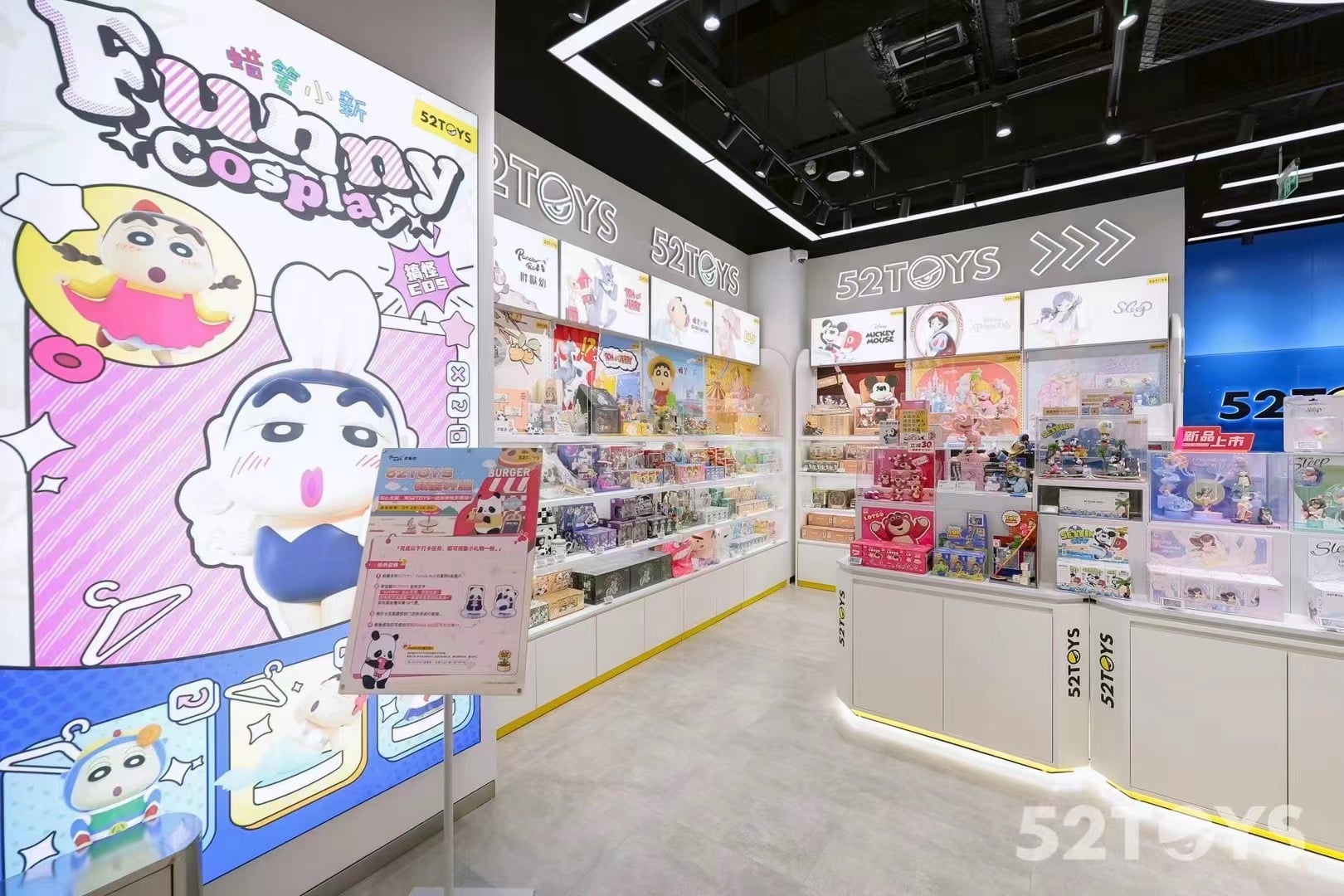
Modern retail environments face unprecedented challenges in capturing customer attention and driving sales conversions. The strategic implementation of effective retail showcase layout has become a critical factor in determining commercial success, particularly in high-traffic retail spaces where competition for consumer attention intensifies every moment. Professional retailers understand that optimizing product presentation through thoughtful retail showcase layout directly impacts customer behavior, purchase decisions, and overall revenue generation across diverse market segments.
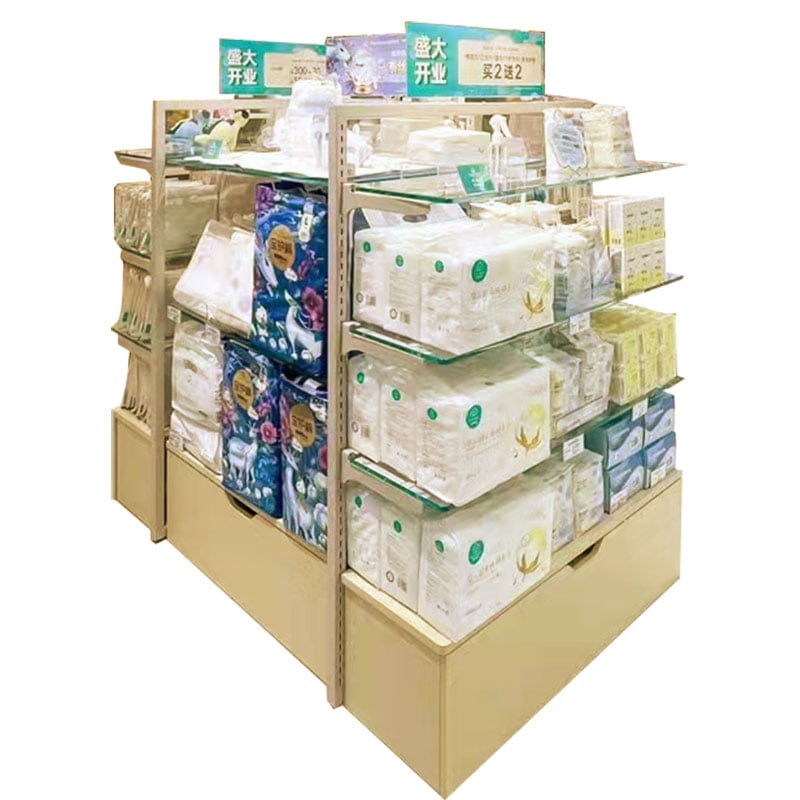
Understanding Customer Flow Patterns in Retail Showcase Layout Design
Traffic Analysis and Movement Prediction
Successful retail showcase layout begins with comprehensive analysis of customer movement patterns within high-traffic environments. Store designers utilize advanced heat mapping technology and behavioral analytics to identify primary pathways, bottleneck zones, and natural stopping points where customers tend to pause and examine merchandise. This data-driven approach enables retailers to position showcase displays strategically along established traffic flows, maximizing product visibility and engagement opportunities. Understanding peak shopping hours, demographic preferences, and seasonal variations allows for dynamic retail showcase layout adjustments that respond to changing customer behaviors throughout different periods.
Professional retail consultants emphasize the importance of creating intuitive navigation systems through strategic retail showcase layout placement. Customers should experience seamless transitions between product categories while maintaining clear sight lines to key merchandise displays. Effective traffic flow management reduces congestion, minimizes customer frustration, and creates comfortable browsing environments that encourage extended shopping sessions and increased purchase likelihood.
Psychological Impact of Display Positioning
The psychological principles underlying effective retail showcase layout extend far beyond simple product arrangement. Research demonstrates that customers exhibit predictable behavioral responses to specific display configurations, lighting conditions, and spatial relationships within retail environments. Strategic positioning of high-margin products at eye level, combined with complementary merchandise groupings, creates powerful cross-selling opportunities that significantly boost average transaction values.
Color psychology plays an essential role in retail showcase layout effectiveness, with warm tones encouraging impulse purchases while cooler shades promote careful consideration of higher-value items. Professional designers integrate these psychological triggers into comprehensive retail showcase layout strategies that guide customer attention naturally toward desired products while maintaining authentic shopping experiences that build long-term brand loyalty.
Maximizing Space Efficiency Through Strategic Showcase Arrangement
Vertical Space Utilization Strategies
High-traffic retail environments demand innovative approaches to space optimization, making vertical retail showcase layout planning absolutely essential for commercial success. Multi-tier display systems allow retailers to showcase extensive product ranges without overwhelming limited floor space, while maintaining clear visibility and accessibility for customers of varying heights and mobility requirements. Professional retail showcase layout solutions incorporate adjustable shelving systems that accommodate seasonal merchandise changes and promotional campaigns without requiring complete display reconstruction.
Strategic vertical arrangement also enables retailers to create distinct price zones within individual display units, positioning premium products at optimal viewing heights while maintaining budget-friendly alternatives at easily accessible levels. This tiered pricing approach through thoughtful retail showcase layout design helps customers navigate product options efficiently while encouraging upward purchasing decisions through strategic product positioning and complementary merchandise groupings.
Modular Display Configuration Benefits
Modern retail showcase layout solutions emphasize modular design principles that provide unprecedented flexibility for adapting to changing inventory requirements and seasonal promotional strategies. Modular systems allow store managers to reconfigure display arrangements quickly without specialized installation expertise, reducing operational downtime and enabling rapid response to market trends and customer preferences.
The financial advantages of modular retail showcase layout systems extend beyond initial investment considerations. Retailers can expand display capacity incrementally as business growth demands, avoiding large capital expenditures while maintaining consistent visual presentation standards across all store locations. Standardized modular components also simplify maintenance procedures and replacement part sourcing, reducing long-term operational costs and ensuring consistent brand presentation across multiple retail environments.
Technology Integration in Modern Retail Showcase Layout
Digital Display Enhancement Options
Contemporary retail showcase layout strategies increasingly incorporate digital technologies to create dynamic, engaging customer experiences that differentiate brands in competitive markets. Interactive displays, digital pricing systems, and augmented reality features transform traditional product presentation into immersive brand experiences that capture customer attention and encourage deeper product exploration. These technological enhancements provide retailers with unprecedented opportunities for real-time content updates, personalized product recommendations, and dynamic promotional messaging.
Integration of digital elements within retail showcase layout requires careful consideration of power requirements, network connectivity, and maintenance accessibility. Professional installation teams ensure that technological components enhance rather than compromise the fundamental principles of effective product presentation, maintaining clean sight lines and intuitive customer navigation while adding valuable digital functionality that supports sales objectives.
Smart Inventory Management Systems
Advanced retail showcase layout designs increasingly incorporate smart inventory tracking systems that provide real-time stock level monitoring and automated reordering capabilities. Radio frequency identification tags, weight sensors, and optical recognition systems enable continuous inventory tracking without disrupting customer shopping experiences or requiring manual stock counting procedures that interrupt normal operations.
These intelligent systems provide valuable analytics data that inform future retail showcase layout optimization decisions, identifying best-performing product positions, seasonal demand patterns, and customer preference trends. Retailers can use this data-driven insight to refine display strategies continuously, ensuring that retail showcase layout configurations remain aligned with evolving market conditions and customer expectations.
Industry-Specific Retail Showcase Layout Considerations
Fashion and Apparel Display Requirements
Fashion retail environments present unique challenges for effective retail showcase layout implementation, requiring specialized solutions that accommodate diverse product sizes, seasonal collections, and rapidly changing style trends. Clothing displays must balance accessibility with security considerations while maintaining attractive visual presentation that encourages customer interaction and trial. Professional fashion retailers utilize specialized fixture systems that facilitate easy merchandise rotation and size organization without compromising aesthetic appeal or shopping convenience.
Effective retail showcase layout for fashion environments also requires careful consideration of lighting quality and color accuracy to ensure that customers can evaluate garment colors and textures accurately. Natural lighting supplementation and adjustable fixture positioning enable retailers to create optimal viewing conditions that support confident purchase decisions while reducing return rates and customer dissatisfaction.
Electronics and Technology Product Presentation
Electronics retailers face distinct retail showcase layout challenges related to security, demonstration capabilities, and technical specification communication. Technology products require protective display solutions that maintain customer accessibility while preventing theft and damage to expensive merchandise. Interactive demonstration areas integrated within retail showcase layout designs enable customers to experience product functionality while maintaining organized presentation of extensive product ranges and technical accessories.
Professional electronics retail showcase layout strategies emphasize clear product categorization and specification comparison opportunities that help customers navigate complex technical decisions efficiently. Strategic positioning of complementary products and accessories creates natural cross-selling opportunities while maintaining organized presentation that supports informed purchasing decisions in technology-focused retail environments.
Measuring Retail Showcase Layout Performance and ROI
Key Performance Indicators for Display Effectiveness
Successful retail showcase layout optimization requires comprehensive performance measurement systems that track both quantitative sales metrics and qualitative customer experience indicators. Sales conversion rates, average transaction values, and product velocity measurements provide essential data for evaluating display effectiveness and identifying optimization opportunities. Professional retailers implement systematic testing procedures that compare different retail showcase layout configurations to determine optimal arrangements for specific product categories and customer demographics.
Customer engagement metrics, including dwell time analysis and interaction frequency measurements, provide valuable insights into retail showcase layout effectiveness beyond direct sales correlations. These behavioral indicators help retailers understand how display arrangements influence customer shopping patterns and identify opportunities for improving product presentation strategies that enhance overall shopping experiences and build customer loyalty.
Cost-Benefit Analysis Framework
Investment in professional retail showcase layout solutions requires careful financial analysis that considers both direct costs and long-term operational benefits. Initial fixture costs, installation expenses, and ongoing maintenance requirements must be balanced against projected revenue increases, operational efficiency improvements, and brand enhancement value. Retailers should evaluate total cost of ownership over expected fixture lifespans while considering flexibility requirements and future expansion possibilities.
Professional retail showcase layout investments typically demonstrate positive return on investment within six to eighteen months through increased sales volumes, improved operational efficiency, and enhanced customer satisfaction scores. Long-term benefits include reduced merchandise handling costs, improved inventory management accuracy, and strengthened brand presentation that supports premium pricing strategies and customer retention objectives.
FAQ
How often should retail showcase layout be updated or modified?
Professional retailers typically evaluate retail showcase layout effectiveness quarterly and implement significant modifications based on seasonal merchandise changes, promotional campaigns, and performance data analysis. Minor adjustments can be made monthly to optimize product positioning and respond to inventory fluctuations, while major layout redesigns are generally considered annually or when expanding product categories. The key is maintaining flexibility while ensuring that frequent changes do not confuse regular customers or compromise operational efficiency.
What budget considerations are essential when planning retail showcase layout improvements?
Effective retail showcase layout budgeting should allocate approximately 15-20% of total store renovation costs to display fixtures and installation, with additional considerations for lighting, signage, and technology integration. Retailers should prioritize high-traffic areas and high-margin product categories when budget constraints require phased implementation. Professional consultation fees, ongoing maintenance costs, and potential operational disruption expenses should also be included in comprehensive budget planning to ensure successful project completion.
How can small retailers compete with large chains through effective retail showcase layout?
Small retailers can leverage personalized customer service and curated product selection through strategic retail showcase layout that emphasizes quality over quantity. Flexible modular systems enable frequent display changes that keep merchandise presentation fresh and engaging without requiring significant investment. Focus on creating intimate shopping experiences through thoughtful product groupings and storytelling displays that connect with local customer preferences and community values while maintaining professional presentation standards.
What common mistakes should be avoided when implementing new retail showcase layout designs?
The most frequent retail showcase layout mistakes include overcrowding displays with excessive merchandise, creating navigation barriers that impede customer flow, and neglecting maintenance accessibility for staff efficiency. Retailers should avoid copying competitor layouts without considering their unique customer demographics and product mix, and should ensure that new displays maintain consistent brand presentation across all store areas. Professional consultation during planning phases helps identify potential issues before implementation and ensures that retail showcase layout investments deliver expected performance improvements.
Table of Contents
- Understanding Customer Flow Patterns in Retail Showcase Layout Design
- Maximizing Space Efficiency Through Strategic Showcase Arrangement
- Technology Integration in Modern Retail Showcase Layout
- Industry-Specific Retail Showcase Layout Considerations
- Measuring Retail Showcase Layout Performance and ROI
-
FAQ
- How often should retail showcase layout be updated or modified?
- What budget considerations are essential when planning retail showcase layout improvements?
- How can small retailers compete with large chains through effective retail showcase layout?
- What common mistakes should be avoided when implementing new retail showcase layout designs?